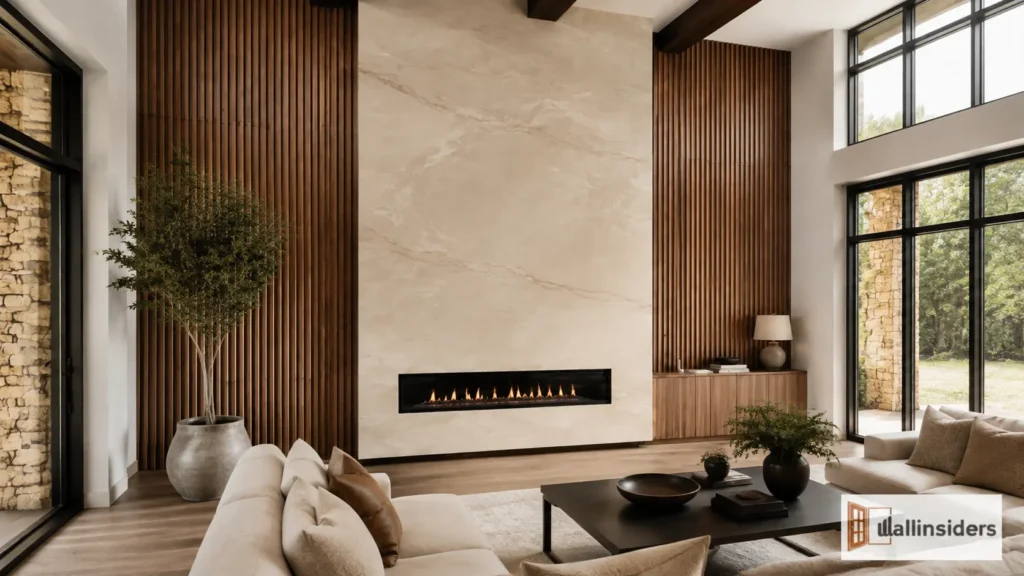
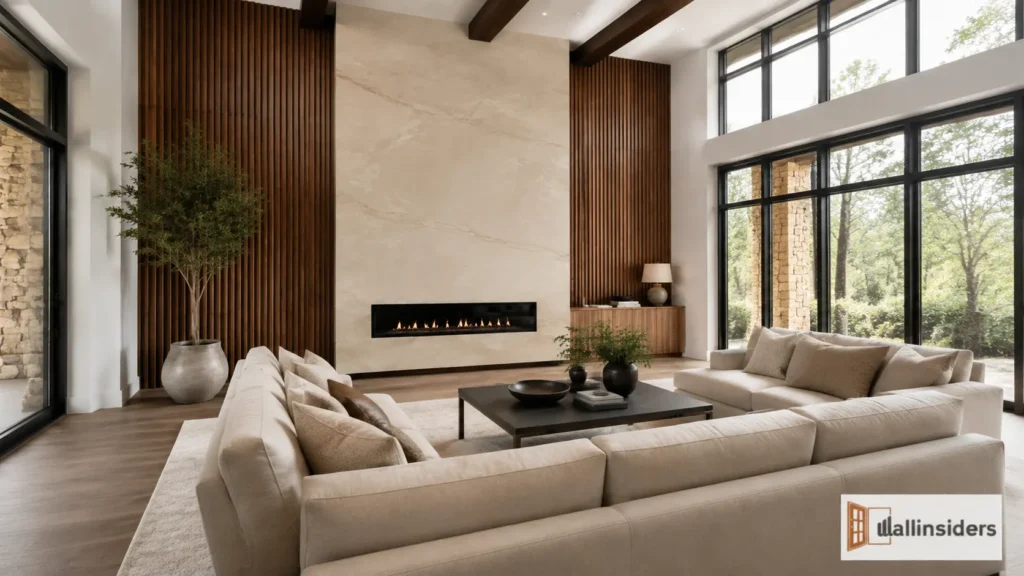
Accent Wall Design: Style, Texture, and Visual Impact
Factors to consider when designing accent walls include the room size, wall orientation, lighting, existing colour scheme, furniture layout, materials, ease of maintenance, and interior décor. A feature wall is created by strategically designing a wall to capture the viewer’s attention without overpowering the space.
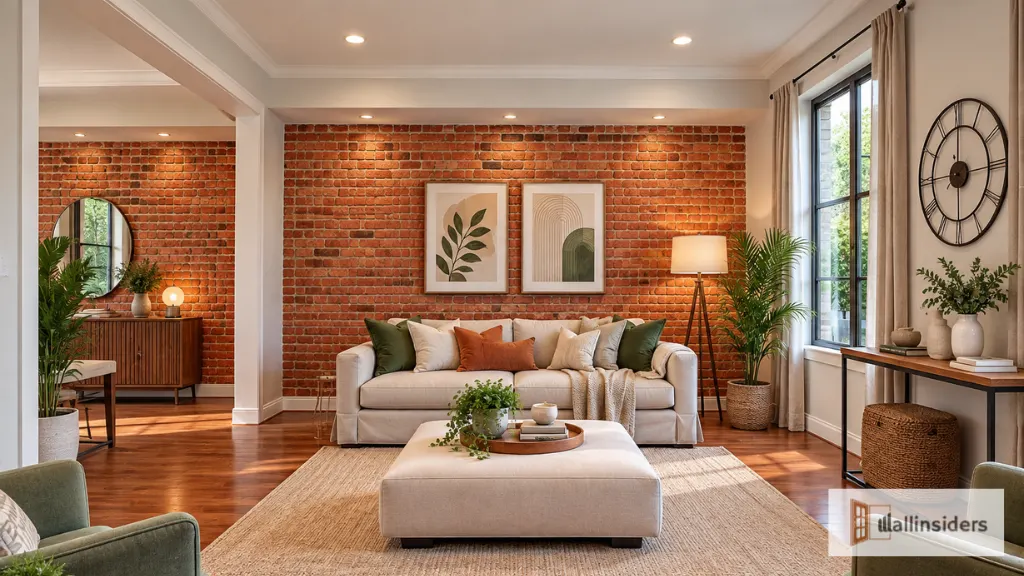
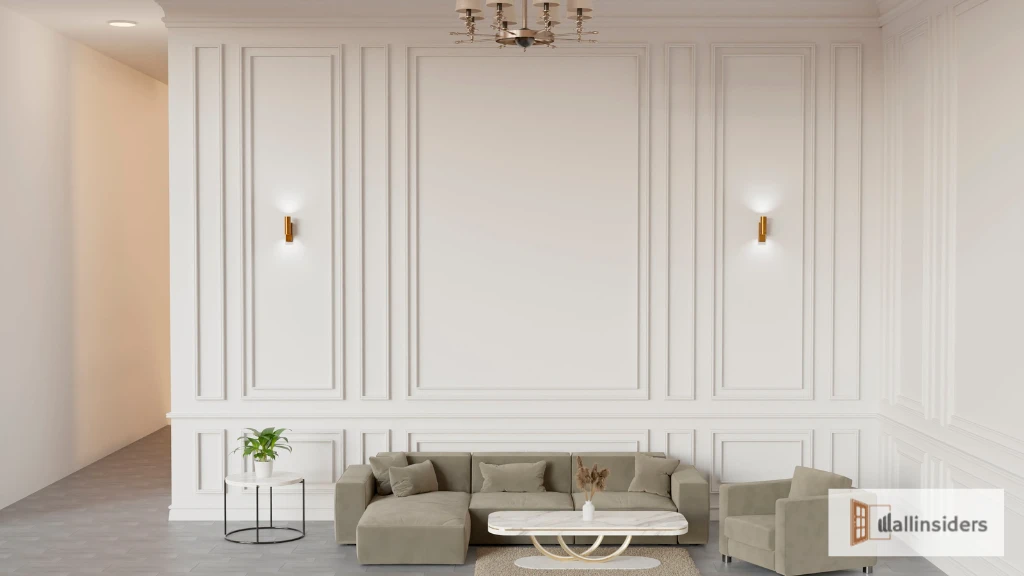
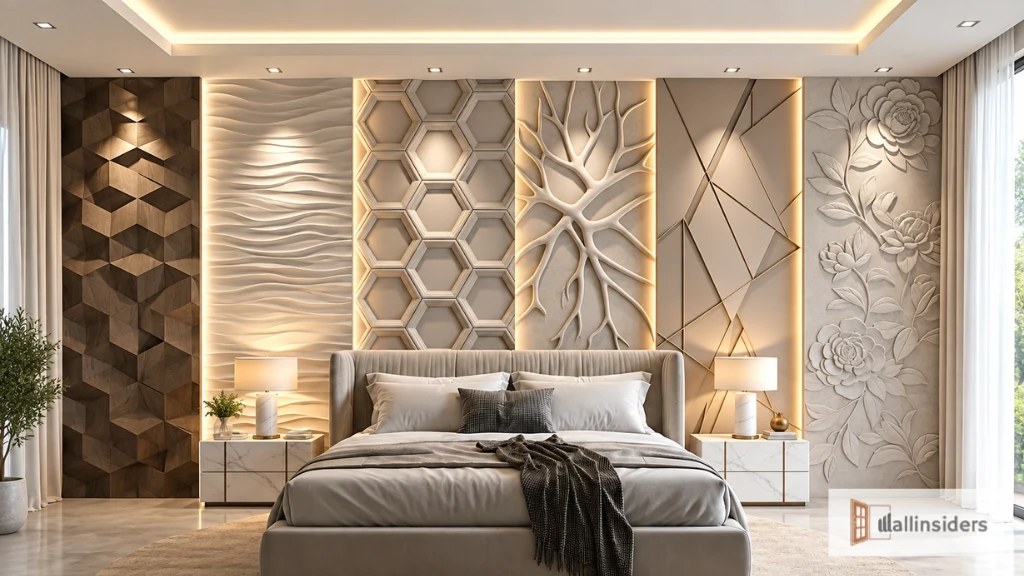
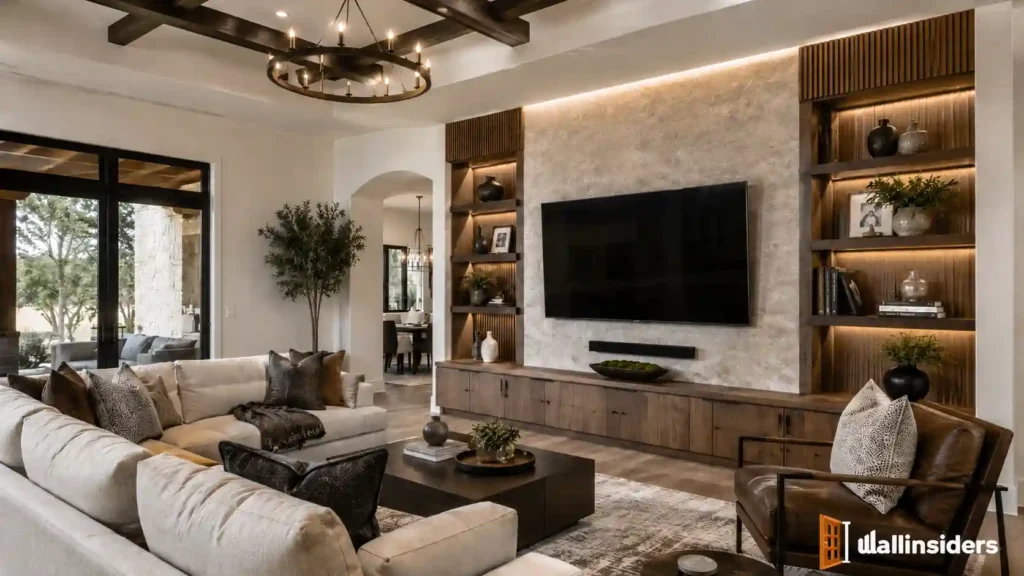
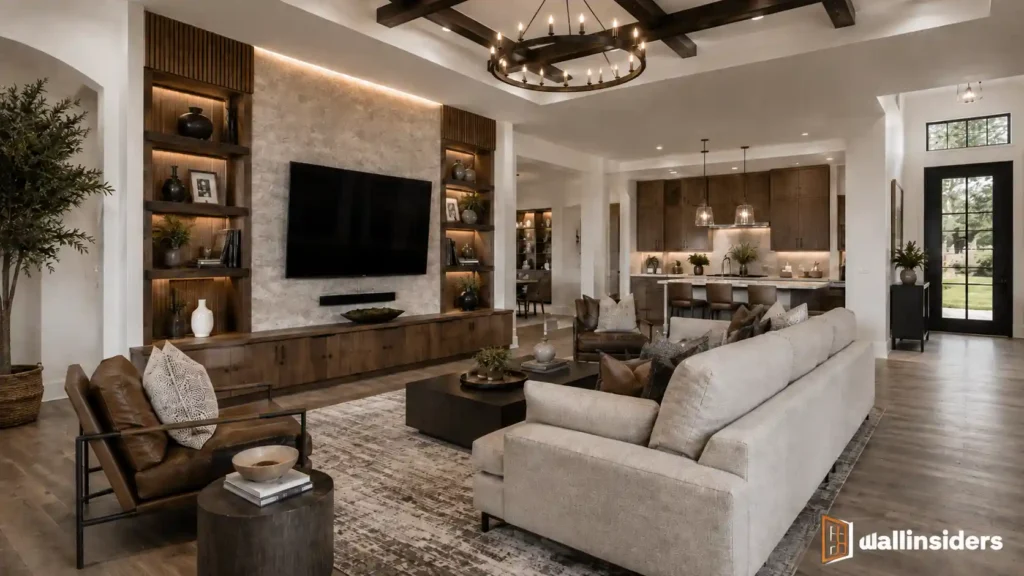
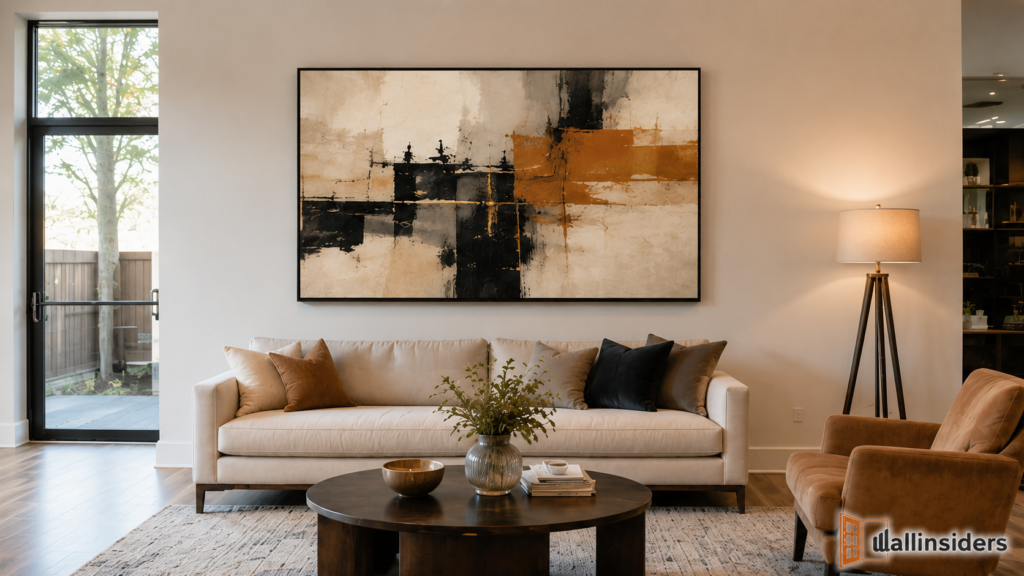
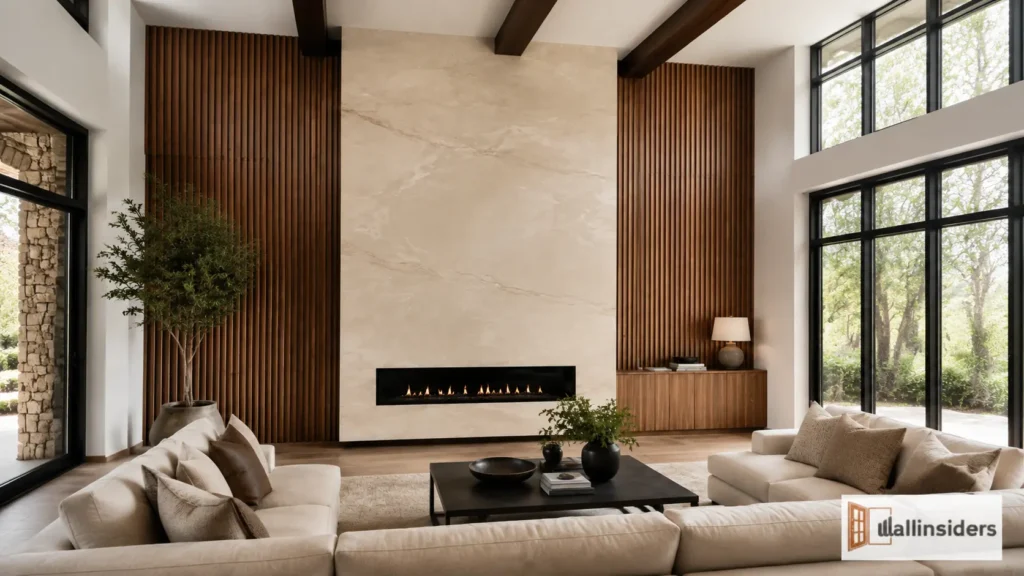
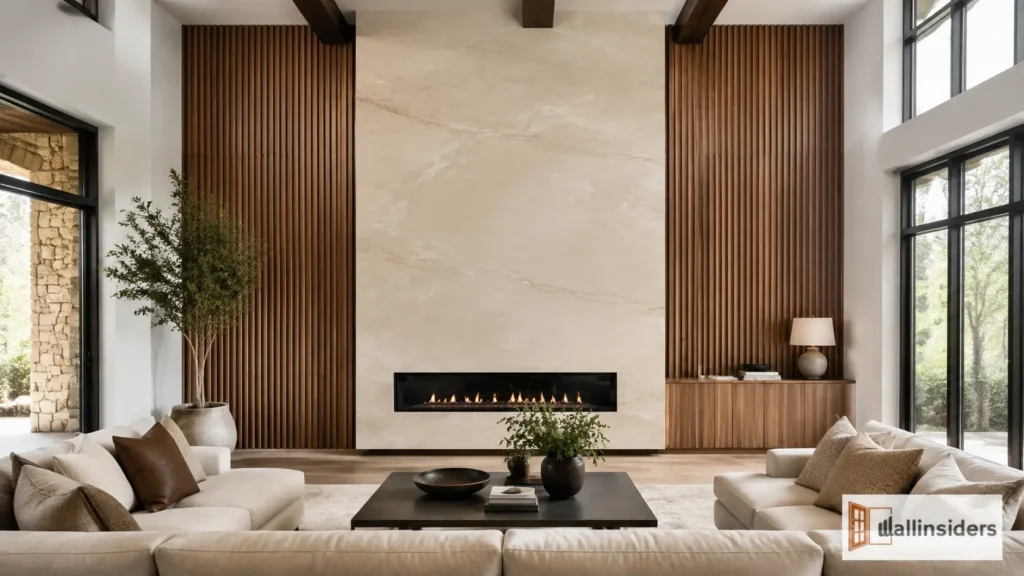
Wooden panels, textured paint, wallpaper, natural stone, exposed brick, marble, decorative moulding, fluted panels, large artwork, and integrated lighting are popular options. Wood, stone, concrete, fabric, metal, and tile can provide depth, warmth, and character.
Style and Materials: Essentials of Accent Wall Design
Wooden slats, geometric panels, strong colours, botanical wallpaper, stone cladding, brick finishes, wall moulding, metallic elements, floating shelves, and hidden lighting are common accent-wall applications.
These designs are perfect for living rooms, bedrooms, dining rooms, home offices, entryways, luxury interiors, modern apartments, suburban homes, open-plan homes, and all Texas homes.
Why This Design Works
- An accent wall is a way to add color, texture, dimension, and personality to a room without redesigning the space.
- It brings all the pieces of furniture, lighting, flooring, art, and/or decorative accents together to form a cohesive interior.
- It looks great in apartments, modern homes, farmhouse interiors, luxury homes, and Texas-style homes.
- The right accent wall design will make a room look better and more inviting, and it’s a great way to make a focal point.