
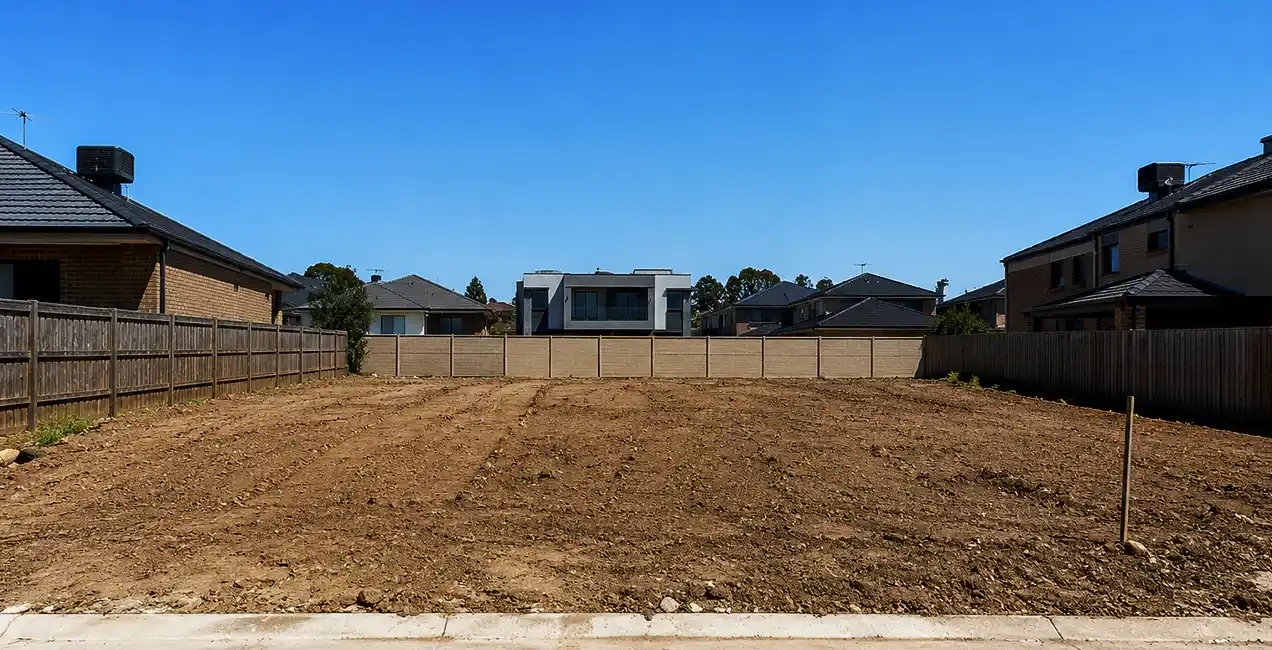
Excavate the structure to your engineer’s specifications, including digging for slab, pier-and-beam, or basement foundations and trenching water, sewer, electrical, and gas lines for each utility type, to the proper depth and with proper bedding.
Excavation Done Right In Texas Soil With No Shortcuts
Wallinsiders can handle expansive soil, caliche, and rocks in our site development with the help of experts capable of executing complex work from foundation digs to utility trenching across Texas.
TEXAS’S MOST RELIABLE EXCAVATION SERVICE
We at Wallinsiders use our experts’ understanding of Texas’s expansive clay soil, caliche hardpan, and unpredictable rock to execute excavation projects and bring the expected results to property owners across Texas, from slab-foundation prep in Dallas suburbs to pier-and-beam foundation digs in Austin’s rocky terrain.
With no hidden charges or mid-project surprises, our crews are equipped for Texas-specific ground conditions, which help them excavate for a new build or addition, utility trenching, or precision grading for drainage.
50+
Homes Delivered
More than 50 homes renovated and remodeled across Texas
4+
Years of Experience
Licensed experts who delivered all projects with perfection
98%
Client Satisfaction
Verified and Satisfied clients reviewed us for the best service we gave
15+
Skilled Contractors
Licensed, insured, skilled, and Texas-certified best contractors
WHAT DOES EXCAVATION COST IN TEXAS?
Most smaller to medium excavation projects range from $1,500 to $5,000; some quote hourly, others by cubic yard or as a flat project fee, while the larger residential excavations or small commercial projects typically range from $5,000 to $15,000 or more. It all depends on project type, soil conditions, and how the contractor structures pricing. The hourly price ranges between $175 and $400 per hour, which is higher than the national average due to expansive clay, caliche layers, and strong demand for year-round construction.
EVERYTHING YOUR EXCAVATION PROJECT CAN INCLUDE
Excavation can get difficult and messy if not planned correctly. Have a look at our process for execution.
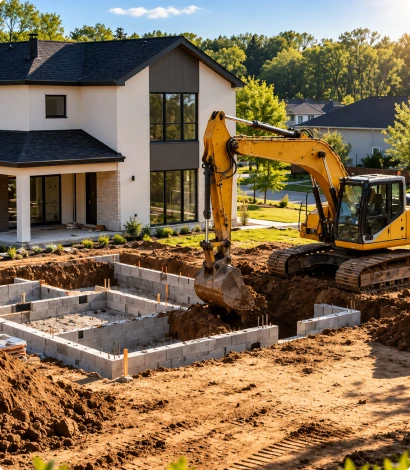
Excavation & Trenching
Removal & Grading
Limestone bedrock and caliche hardpan require specialized equipment for digging and starting grading to level a building pad or slopes before and during the excavation process.
Excavation
Start excavating the basement and water features, which include basement spaces, pools, ponds, or other water features, with proper shoring, safety, and design.
Dewatering & Soil Removal
We manage groundwater intrusion due to the high water table in certain regions and remove or haul the excess soil off-site where it can’t be used to fill on the property.
Utility Locating Coordination
Before we start the process, we coordinate with 811 utility markings to avoid striking gas, electric, or other buried lines, ensuring a safe workplace for all.
Backfill & Compaction
To prevent future settling, we carefully and properly refill and compact the soil after the completion of the process, ensuring foundational stability.
TEXAS’S TRUSTED EXCAVATION TEAM
Our excavation crews consist of experts with years of experience, determination, and coordinated teamwork that will help the project execute smoothly.
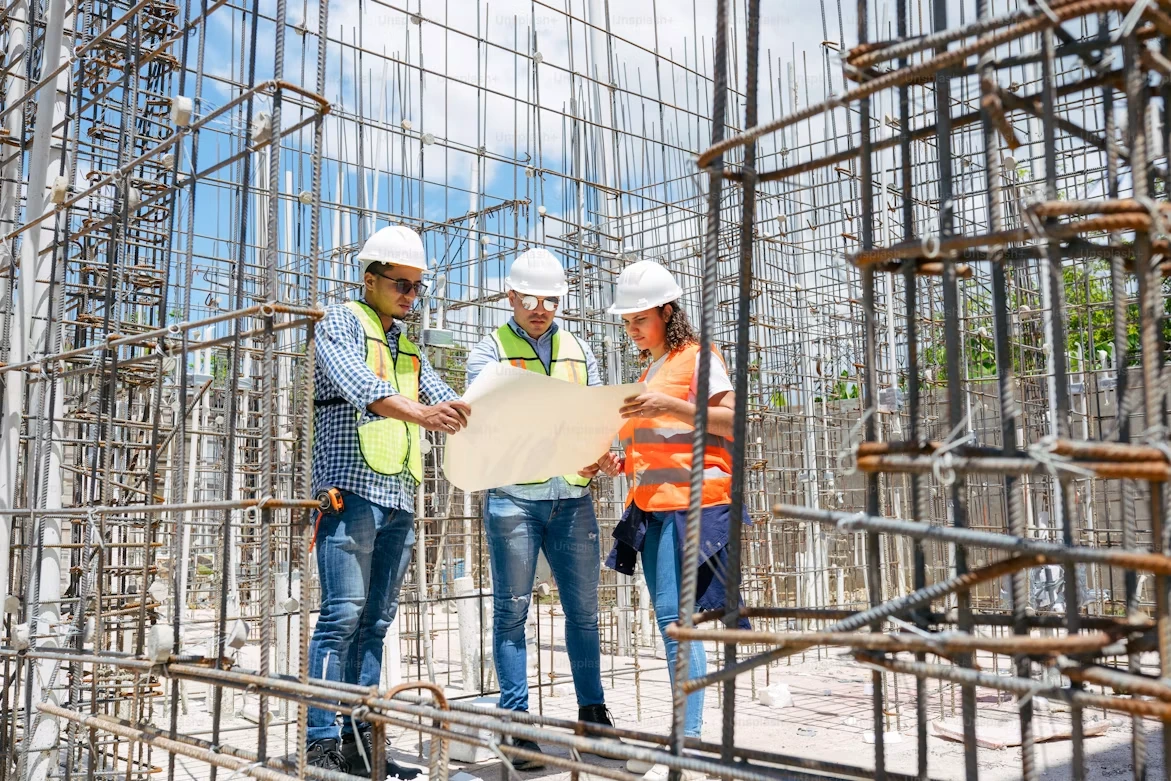
Licensed and Insured Crews
Licensed, insured, Texas-certified contractors handle every project with utter sincerity.
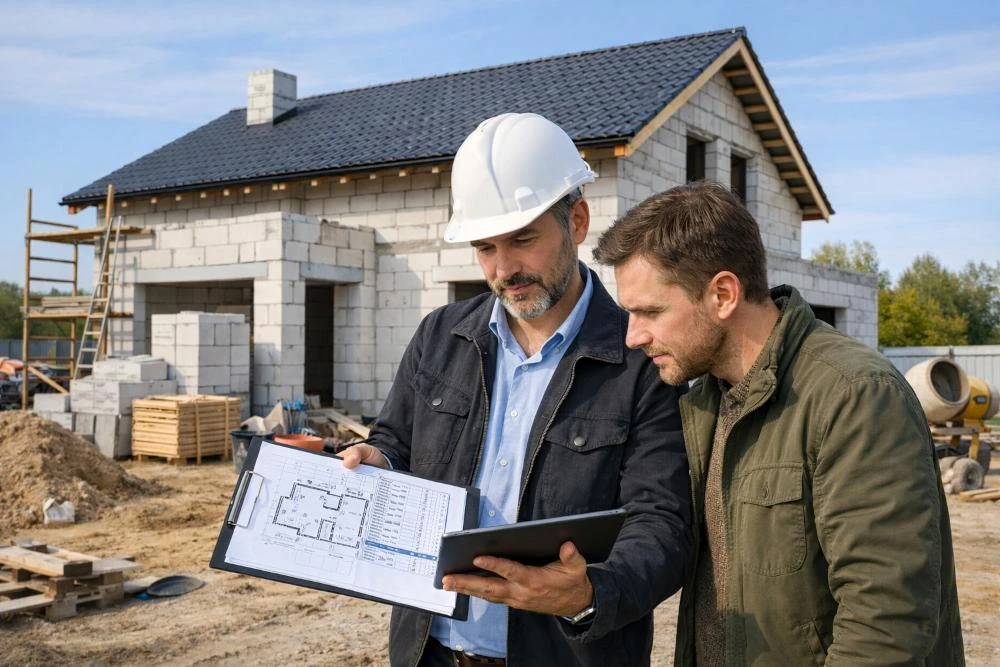
Transparent Pricing, No Surprises
We assess the site and properly estimate the project before the process begins.
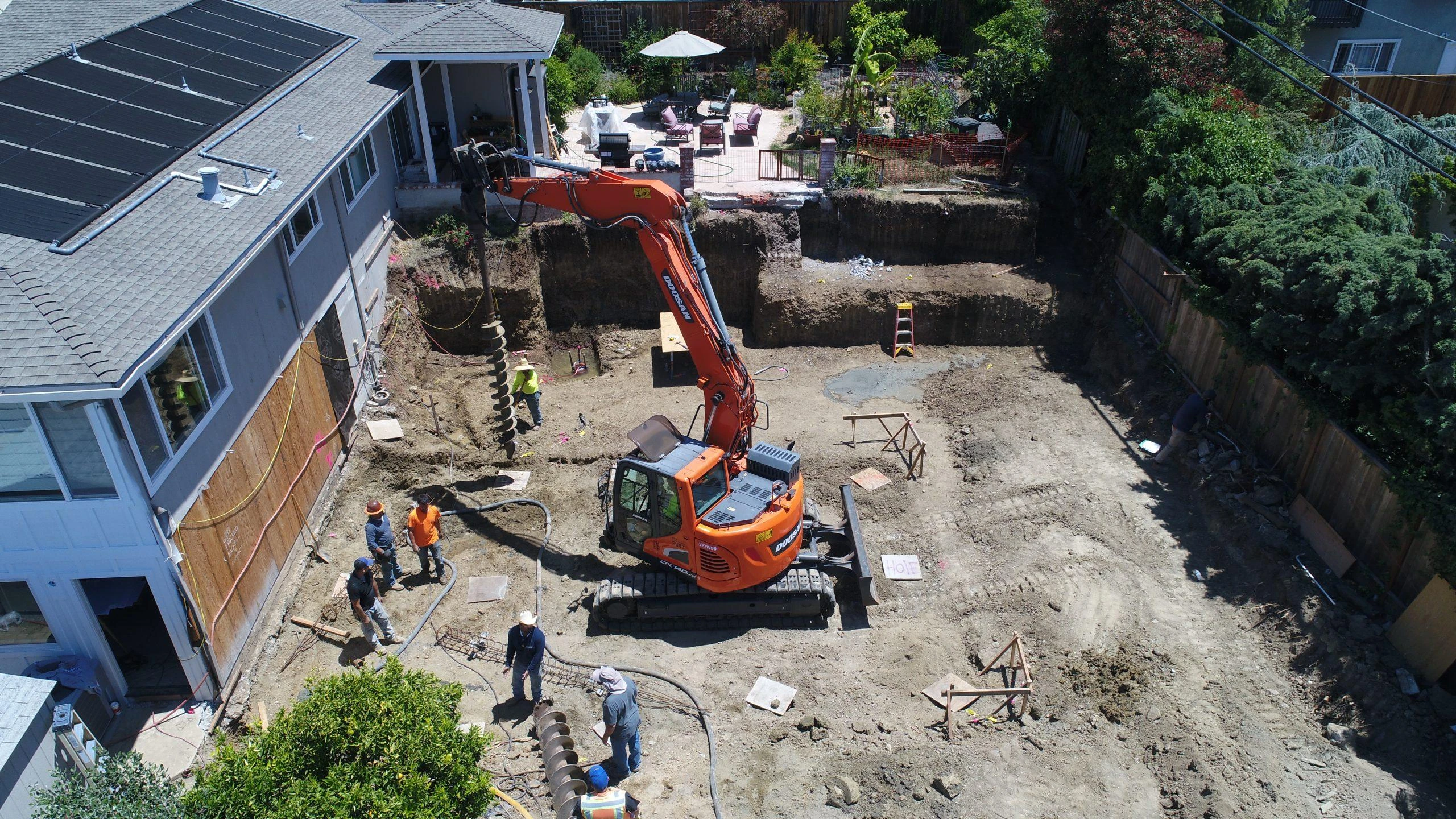
Equipment Matched to Texas Ground Conditions
We use the right equipment to work on expansive soil, caliche, and rocks across Texas.
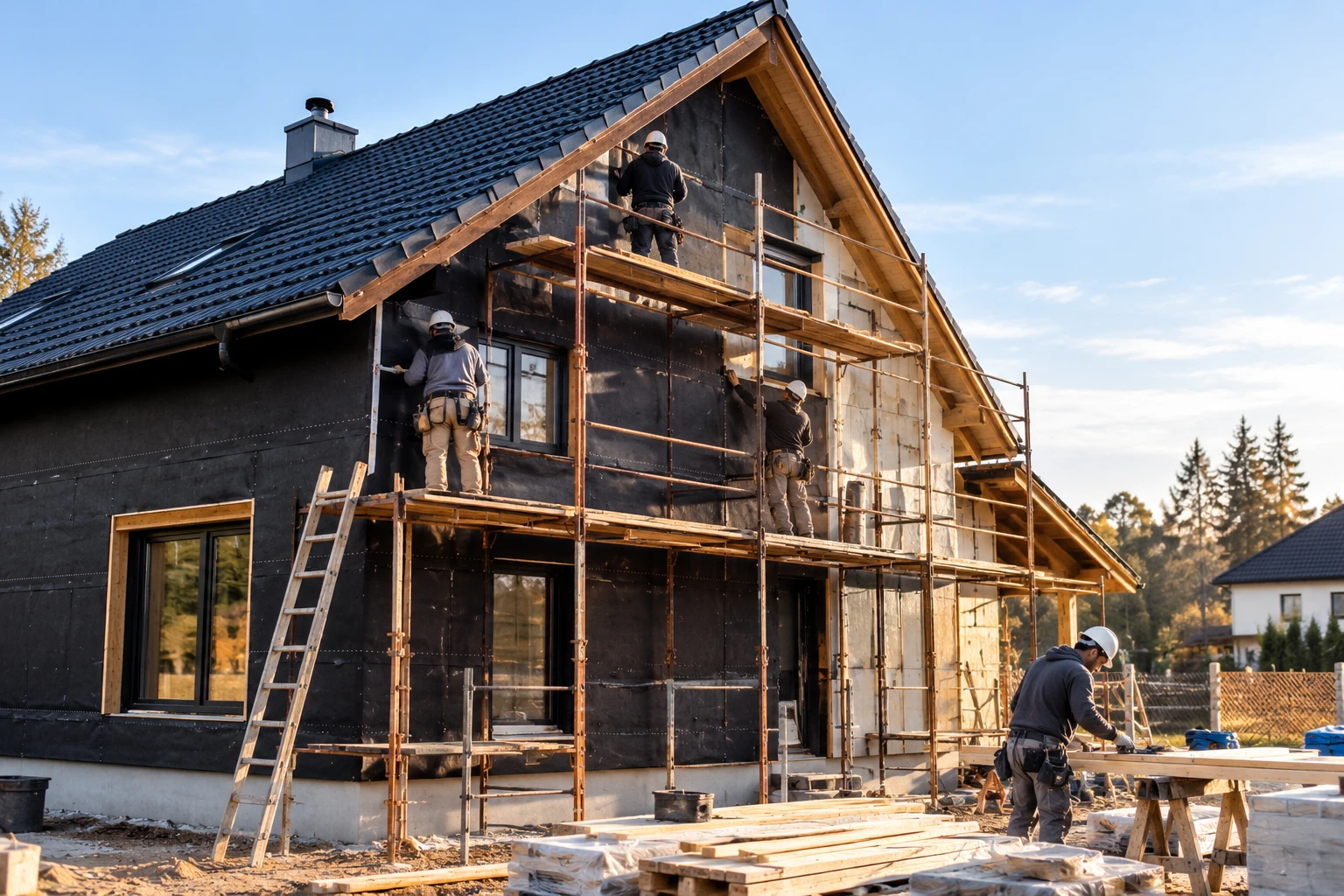
Single Team From Excavation to Construction
Our same team will handle your project’s construction, as we also design and build.
EXCAVATION COST BY PROJECT TYPE
| Project Type | Usual Cost | Points to be noted |
|---|---|---|
| Small residential | $1,500 – $4,000 | Slab foundations require minimal excavation; pier & beam requires individual pier holes |
| Medium projects | $3,000 – $8,000 | Deeper excavation, more soil removal, and hauling |
| Large residential or small commercial | $5,000 – $15,000+ | Extended space, complex grading and utility trenching |
| Unexpected conditions | Additional $1,000 – $20,000+ | Always confirm the handling of situations where your excavation hits rocks and requires jackhammering or blasting; cost can increase rapidly |
Our Process
Our Interior Design Process
We at Wallinsiders plan our execution to ensure stability for subsequent construction work, and keep you updated about the project throughout the process.
Site visit & soil assessment:
Our free in-person site visit helps us assess soil type and other factors to estimate the project.
01
02
Utility Locating & Detailed Estimate:
Before the process begins, we coordinate with 811 for utility marking and provide an itemized estimate.
Excavation Begins:
We will start excavation, dewatering, and manage soil removal, as well as rock or caliche conditions.
03
04
Backfill, Compaction & Final Walk-Through:
Finally, we will properly backfill and compact the site and walk with you on the site to ensure the site is ready for the next phase of the project.
CHOOSING THE RIGHT EXCAVATION APPROACH
| Approach | Best For | Notes |
|---|---|---|
| Hourly Pricing | Smaller or less defined projects | Best for short jobs and simpler projects, but total cost depends on the time of the project |
| Per-Cubic-Yard Pricing | Defined volume of soil to move | To avoid pricing confusion, get clarity on bank and loose cubic yard measurements |
| Flat Project Fee | Residential foundation & utility excavation | Most preferred by homeowners and suggested by contractors for more defined residential work |
| Combined Clearing + Excavation + Grading | Preparing the new construction site | Usually more economical as one contract rather than divided into others for each phase |
DOES PROPER EXCAVATION ADD VALUE?
Proper excavation can save you time and money and add value in many ways. Improper excavation can lead to mid-project issues that cost you hundreds of dollars and a lot of time. Texas’s expansive clay soil is the primary cause of the issue, increasing repair costs. Apart from that, it creates space, solves drainage and water issues, and helps address soil conditions or hidden obstacles. Proper execution of excavation can attract many potential buyers. It becomes invisible once the construction is complete but can cost a lot if done improperly.
DO YOU NEED A PERMIT FOR EXCAVATION IN TEXAS?
Though it varies by the scope of the project and the municipality. Most of the counties and cities across Texas require a building permit for structural excavation or utilities, along with 811 utility marking, which is required in all scenarios for the safety of workers and the workplace. It is not a separate part of the construction, so there is no specific excavation permit required; it is included in the overall building permit. Wallinsiders manage and confirm the requirements before the project begins.
Our Projects
Explore Related Texas Site & Construction Services




FAQ
EXCAVATION FAQS
How much does excavation cost in Texas?
Most excavation projects range from $1,500 to $15,000 or more, depending on the type of project and whether it involves a small foundation or septic excavation, which is on the lower end, or large residential or small commercial projects, which are on the higher end. Hourly rates range from $175 to $400 with equipment and operator, depending on the scope.
Do I need a permit for excavation?
It depends on the type of project and your city’s municipality. Excavation for larger projects generally requires permits, but a separate excavation project may require a separate permit based on your municipality.
Do you handle utility locating before digging?
Yes, it is required that we coordinate with 811 utility marking to ensure safety and avoid striking any utility lines.
What happens if excavation hits rock?
New methods, including jackhammering or blasting, are required to solve this problem, which will affect your costs and can reach $15,000 to $20,000. We recommend that you discuss this topic with your contractor and ask how they handle such situations.
How is excavation pricing usually structured?
Most residential excavation projects quote a flat project fee after an in-person meeting, though it depends on the type of project; contractors may charge hourly, by cubic yard, or as a flat project fee.