
Some popular methods for covering the patio include extensions of roofs, pavilions, pergolas, various metals, and retractable awnings. The choice of covering will depend on one’s budget the area to be covered, and the needs of covering up.
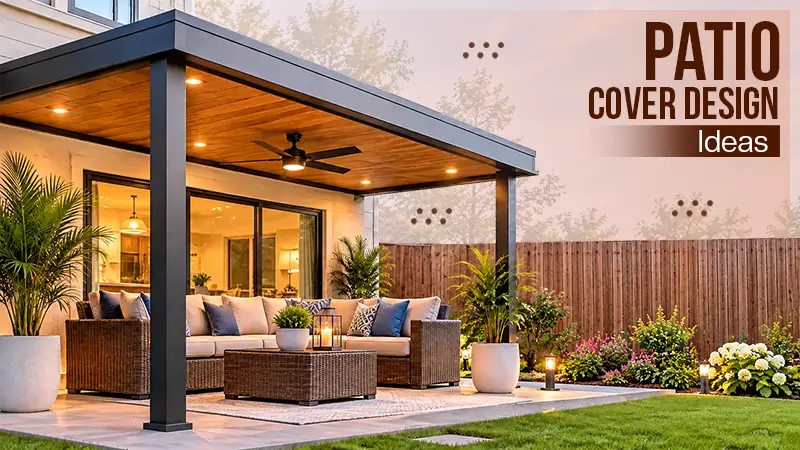
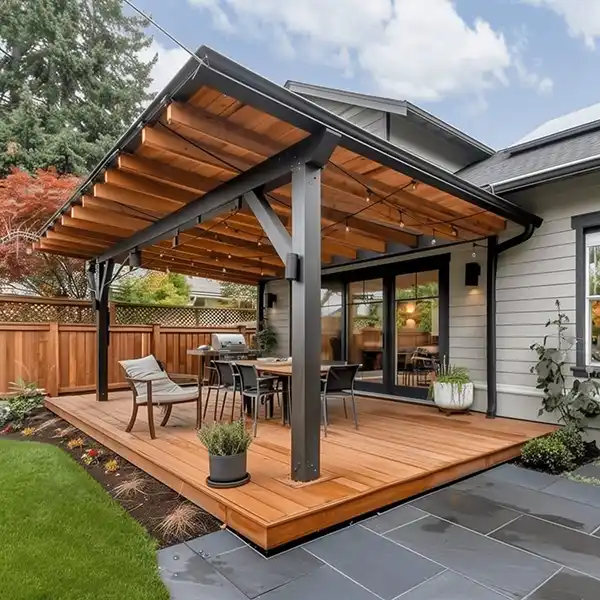
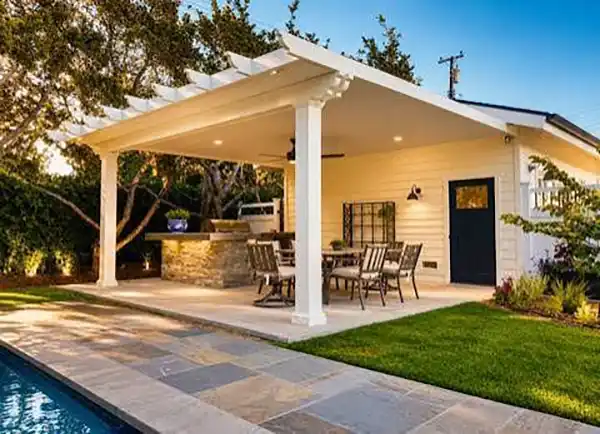
A patio cover can easily transform an open area into a cozy and comfortable place to be. The best patio cover is the one that meets your requirements for budget, climate, and your home.
They provide shelter from sun and rain, providing the owners with convenience. Many types of patio covers differ in installation type and materials. The most practical options include attached patio covers, freestanding covers, pergolas, and retractable and roof-style covers. All covers can be built using wood for a pleasant look and feel, or metal and aluminum, when you need something easy to maintain.
In this article, you will discover the different patio cover ideas along with approximate costs and pros and cons of materials used for each type of cover. Use the comparison chart below to choose the most suitable alternative and go to the section that belongs to your case.
8 Most Popular Patio Covers & Their Price
| Cover Type | Typical Cost Range* | Ideal For | Durability |
| Attached aluminum cover | $ 2,500–8,000 | Minimal maintenance, complete protection from rain and sun | 20 to 30 years |
| Attached wood cover | $ 5,000–15,000 | Suitable for your home’s roofline and style | 15 to 25 years (with maintenance) |
| Freestanding cover | $ 4,000–14,000 | Best for Pools, outdoor kitchens, yard zones | 15 to 30 years |
| Wood pergola | $ 2,000–10,000 | Stylish and partial shade | 15 to 25 years |
| Louvered (adjustable) pergola | $ 6,000–25,000 | Protects from sun and rain on demand | 20 to 30 years |
| Retractable awning | $ 1,500–6,000 | Customizable for shade, small budgets, HOA-friendly | 10 to15 years (fabric 5–10) |
| Insulated or solid roof panel cover | $ 6,000–20,000 | Suitable for hot climates, year-round use and, noise reduction | 25 to 40 years |
| Shade sail | 200–2,000 | Budget-friendly, quick installs | 5 to 10 years (fabric) |
Table of Contents:
- Types of Patio Covers
- Covered Patio Ideas Attached to the House
- Detached and Free Standing Patio Cover Ideas
- Wood Patio Cover Ideas
- Metal and Aluminum Patio Cover Ideas
- Concrete Patio Cover Ideas
- Retractable Patio Cover Ideas
- Small Patio Cover Ideas
- Cheap and Inexpensive Patio Cover Ideas
- DIY Patio Cover Ideas
- Patio Cover Ideas for Rain
- Patio Cover Ideas for Sun, Heat and Texas Weather
- Covered Patio Design Ideas
- Patio Cover Design Styles
- Patio Cover Cost
- How to Choose the Right Patio Cover
- Plan Your Patio Cover with Wall Insiders
- Frequently Asked Questions
- Final Thought
Types of Patio Covers
There are six different categories of patio covers, and the specific type will depend on how much weather protection you need, how permanent a structure you want, how much budget you have, and what local building codes dictate. Each type will be described in greater detail in the following sections.
Attached Patio Covers
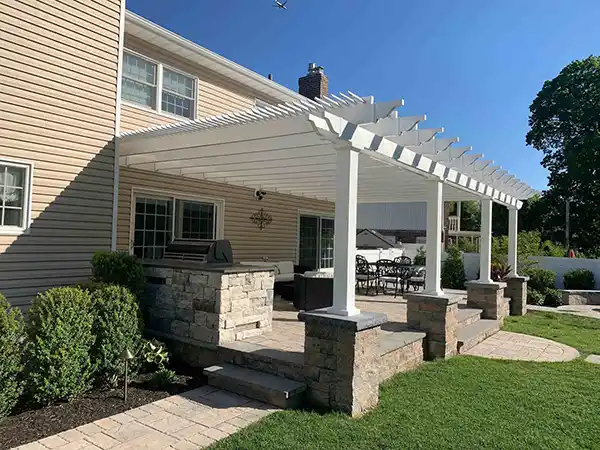
Attached patio covers are those that are installed onto your home, generally on a vertical wall, so they hang off it over the patio. Because an attached patio cover is installed directly on the wall of the structure, it becomes a natural extension of the home. This is ideal for homeowners who want to have easy access to the covered outdoor space.
Best for: All-year use, outdoor dining close to the kitchen, and homes with patios built against a vertical wall.
Freestanding patio covers
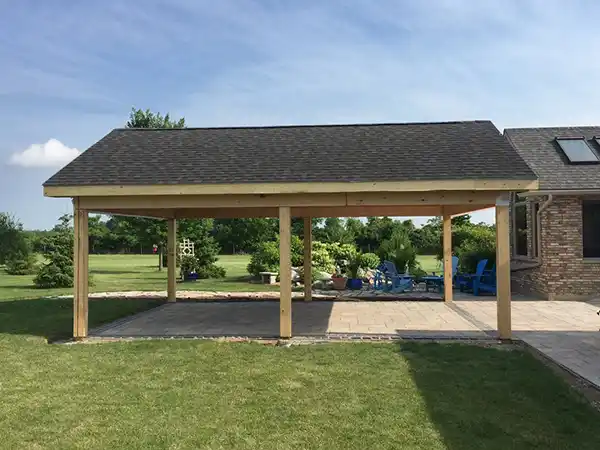
Freestanding patio covers are not attached to any of the walls of the house; instead, they have their own foundation and support system to stand freely. It is easy to place a freestanding patio cover in any position in the backyard. The freestanding patio cover can be utilized for garden seating space, poolside lounge, outdoor cooking, or dining areas.
Ideal for: Spacious backyards, poolside seating areas, gardens, outdoor entertainment zones, and detached patio areas.
Pergolas and Open-Lattice Covers

Pergolas have vertical posts only and feature an open roof, largely made from parallel beams and slats. When built, the pergola differs in its architecture and works like an open patio cover, as it allows sunlight and air circulation through it.
Ideal for: Patios in the garden, seating areas, and decorative landscaping projects.
Solid Roof and Gable Covers
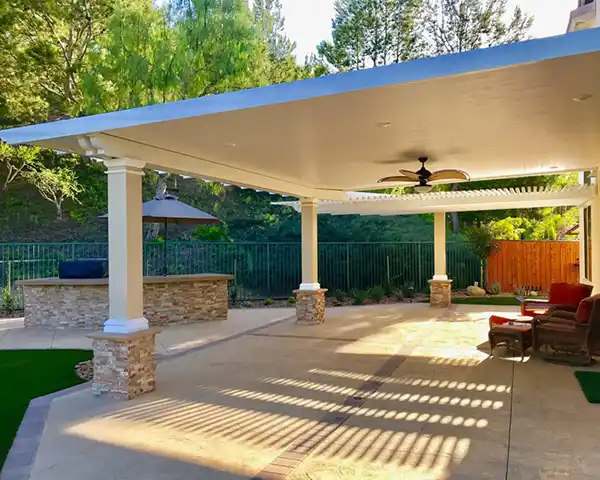
Patio covers with solid roofs provide maximum shelter from rain and sun rays compared to open patio covers. Generally, solid roof materials can protect from weather and utilize metal sheets, insulating panels, and other reliable roofing materials.
Moreover, a solid roof is able to accommodate ceiling fans, recessed lighting, and outdoor electric fixtures when designed accordingly.
Best for: Round-the-year outdoor usage, outdoor kitchens, dining areas, and spaces that need reliable rain and sun protection.
Awnings and Retractable Covers

Awnings are attached to the wall of the house and are operated either via stationary or motorized arms that retract when you want to enjoy sun rays or when a storm is coming. Manual versions are the cheapest, whereas the motorized ones equipped with sensors for wind and sun are more comfortable.
Best for: Small patios, balconies, decks, and adaptive shading fans.
Sail Shades and Fabric Canopies
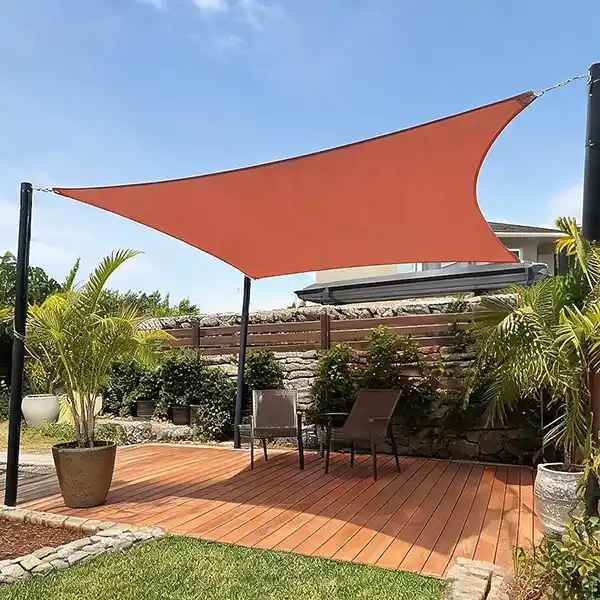
Sail shades and fabric awnings are alternatives to fixed designs. These shades are made from UV-resistant fabric placed between different support points, whereas fabric canopies are supported by legs or structure.
Best for: Affordable backyard covering, playgrounds, pool sites with seats, and temporary outdoor usage.
Types Comparison Table
| Type | Rain Protection | Sun Protection | Installation | Maintenance |
| Attached cover | Excellent | Excellent | Medium to high | Low-moderate |
| Freestanding cover | Excellent | Excellent | Medium to high | Low-moderate |
| Pergola (open) | Poor | Partial | Medium | Moderate (wood) |
| Louvered pergola | Good | Excellent | Medium | Low |
| Solid roof/gable | Excellent | Excellent | High | Low |
| Awning/retractable | Fair | Good | Low–Medium | Moderate |
| Sail shade | Poor-fair | Good | Rarely | Moderate (fabric) |
Covered Patio Ideas Attached to the House
Covered patio ideas attached to house will smoothly connect the indoor and outdoor areas of your home. To maximize the efficiency and appearance of the patio, it is essential to choose the right roof, connecting structure, and exterior finish.
Extending the Existing Roofline

When you are looking to build the roof of your house, your ideal option is extending your roof over the patio, either through construction of a single-plane roof, known as a roof extension, or by adding a lower pitch to the existing eaves. While a single-slope roof looks integrated, it is the most complicated in all scenarios.
Shed, Gable and Hip Roof Styles
Different roof types define how your patio will look when it is up. Among the different types of roofs, several ones are worth mentioning, i.e., shed, gable and hip roofs.
Shed Patio Roof
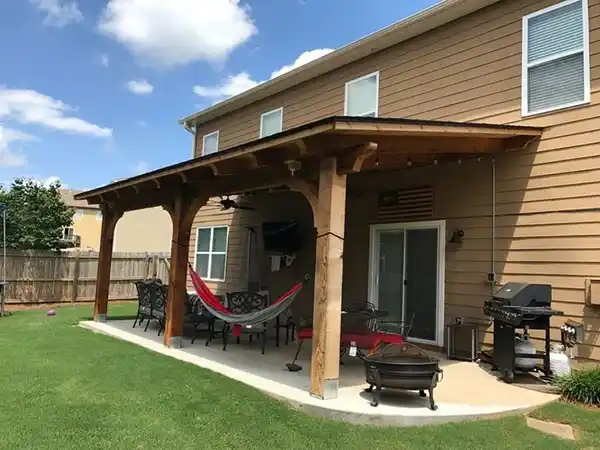
A shed patio roof features a single sloping plane that is directed away from the house and are characterized by its simplicity and feasibility ifor a small area.
Gable Roof
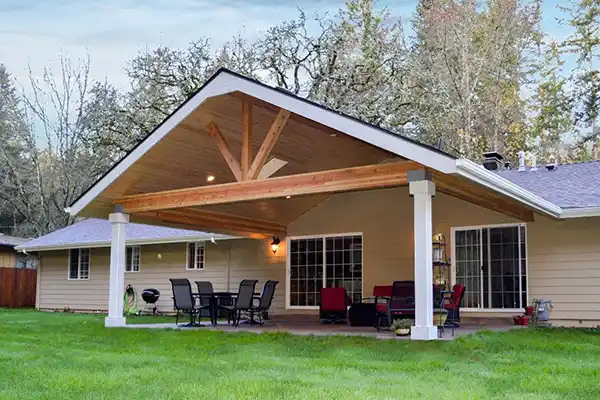
A gable roof involves 2 planes meeting at a center point and may be characterized by a more significant room that costs less to build because it needs simplicity in construction, which means it is highly practical and easy to construct.
Hip Roofed Patio Shade Structure
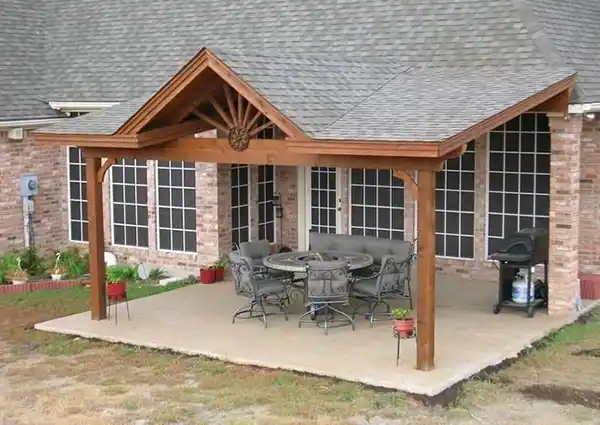
Hip roofs slope along all four sides and provide balance and appearance. These roof types are well suited for windy weather conditions, provided they are designed properly.
Ledger Attachment and Flashing Basics
The ledger serves as the horizontal timber that fixes the frame of the structure to the wall of the house, making it the part most likely to fail in any attached structure. If the installation of the ledger is performed improperly, water may get in, leading to rot and collapse.
Matching the House Exterior
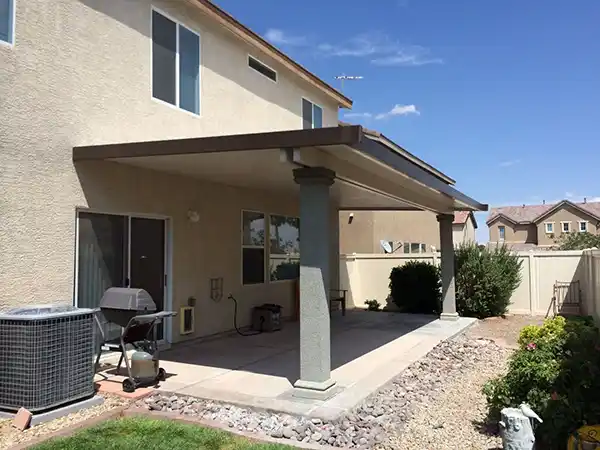
A perfect patio cover should be capable of matching the style, color, and exterior finishes of the house. In order to create a unified space outside the home, the roof materials should be matched with support columns, trims, and structural elements.
Design tip: Achieve a cohesive look by keeping the roof color, footer columns and exterior trims coordinated.
Detached and Free Standing Patio Cover Ideas
Detached covered patio ideas and free-standing patio covers form exclusive living spaces outside the home. They can be used for relaxing by the pool, sitting in the garden, having meals in the backyard and enjoying outdoor entertainment events.
Poolside Pavilions and Cabanas
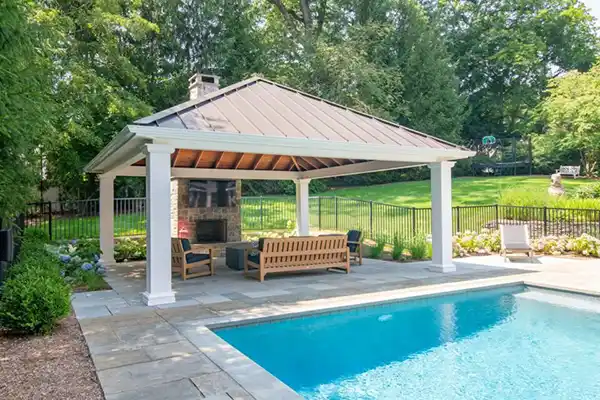
Cabanas and pavilions are perfect places to relax, have fun, and get dressed by the pool. They can be made from wood, steel, and fabric.
Suitable for: Lounges, dining areas, and resorts.
Garden and Backyard Structures
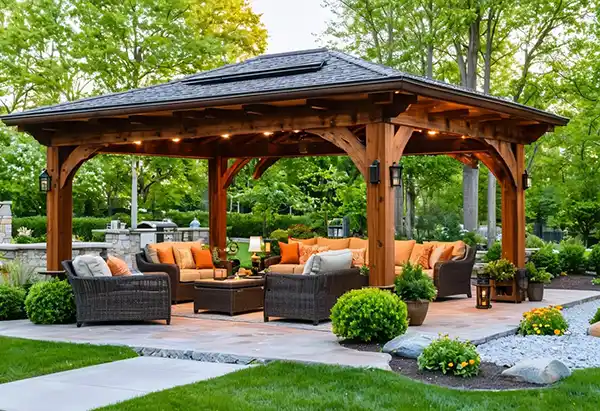
Non-attached backyard patio cover ideas add shade to the backyard, making it more beautiful. Non-attached patio covers can be made from wood or metal, or even from tents, where people can rest and eat.
Suitable for: Gardens, large backyards, and kitchens.
Post, Footing and Wind Load Basics
Non-attached patio covers require solid supports, such as columns and suitable footings, and are built to last longer. The concrete footings assist with holding the entire structure in place, while bracing and materials utilized enhance its wind resistance capabilities.
Wood Patio Cover Ideas
Wood patio cover ideas are known for their natural appeal, a timeless design look, and adaptability to the various types of outdoor spaces. Ranging from simple wooden cottages to big log constructions made out of various kinds of timber or wood, this type of cover comes in a variety of types and models.
Cedar, Redwood and Pressure-Treated Pine
These three kinds of wood have different characteristics, prices, and requirements for maintenance.
Cedar wood: this type of wood is naturally resistant to insect pests and decay, thus it has a beautiful grain pattern.
Redwood: this wood possesses a rich color and a high degree of resistance to moisture and insects.
Treated pine: this kind of wood is famous for its budget-friendly price.
Timber Frame and Beam Designs
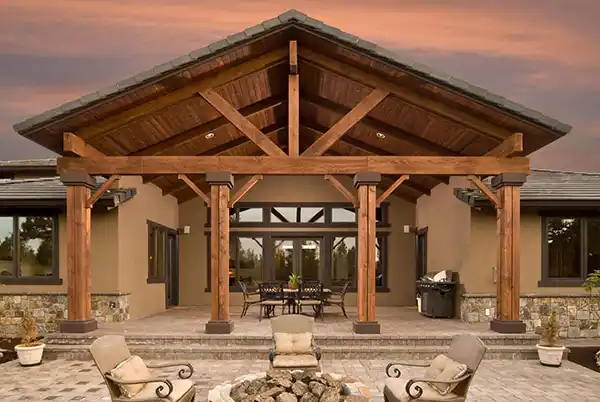
Timber frame patio cover ideas consist of large timber columns, exposed beams, and ornamental rafters. They create a dramatic building look and work especially well with farmhouse, rustic style, or traditional buildings.
Common designs: Exposed beam ceilings, wooden gable roofs, rustic pergolas, or ornamental timber columns.
Stained vs. Painted Finishes
Proper finish protects timber from damage while changing the appearance of the patio.
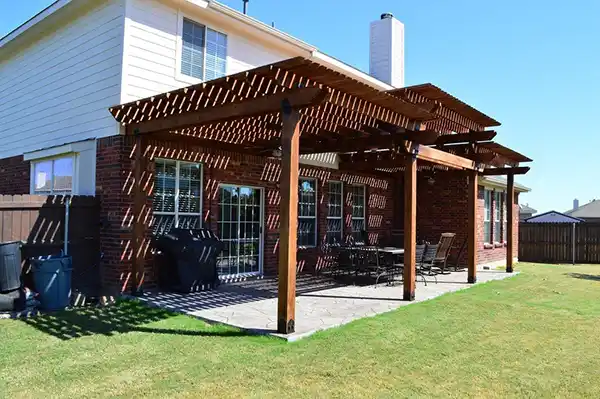
- Stained finish: Emphasizes the natural grain of wood and gives it a warm and natural look.
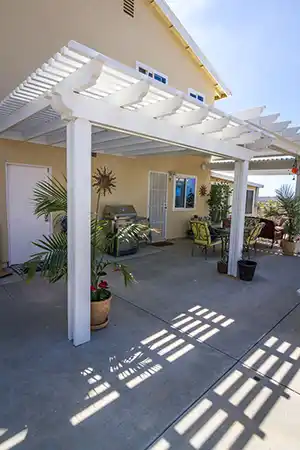
- Painted finish: Provides various colors but gives a clean and polished aesthetic look.
Use exterior-grade products specially designed for outdoor conditions. Follow preparation instructions provided by manufacturers.
Maintenance and Lifespan
Wooden patio covers should be maintained regularly to maintain their aesthetic look and structural condition. Clean the surface, inspect the joints, check for moisture damage, and reapply the appropriate staining or protective finishes whenever necessary.
Average lifespan of the materials:
- Cedar wood- 15-25 years
- Redwood- 20-30 years
- Pressure-treated pine- 10-20 years
Costs for wood products are generally lower than those of metal materials, but maintenance and other expenses increase the total cost of ownership. Do not look at just the purchase price in any comparison.
Metal and Aluminum Patio Cover Ideas
Metal and aluminum patio cover ideas offer longevity, contemporary elegance, and minimal upkeep. They come in solid roofing options, insulated panels, and ornamental designs.
Aluminum Covers (Solid and Insulated Panels)
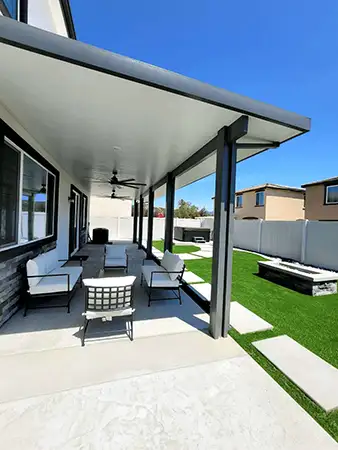
Aluminum patio covers provide durability and modern design without too many maintenance issues. They come in forms such as solid roofs, insulated panels, and decorative finishes.
Steel and Standing Seam Metal Roofs
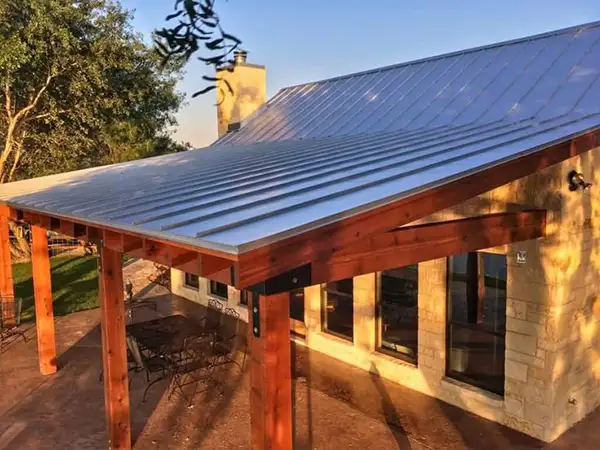
Steel patio covers are stable enough to support construction, while standing seam metal roofs offer a stylish design and effective rain protection.
Wood-Look Aluminum
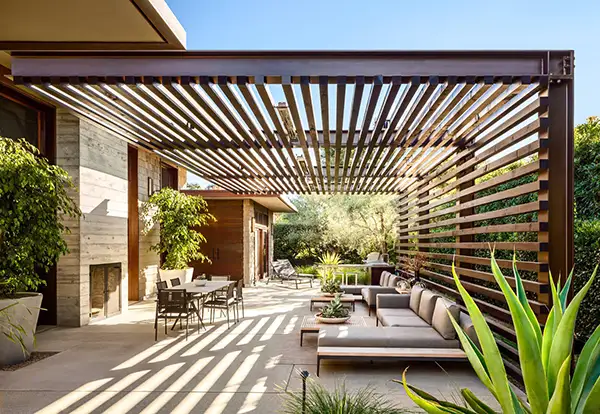
Wood-look aluminum combines the look of wood and the durability of metal. It is great for modern, rustic, and modern design solutions.
Pros and Cons vs. Wood
| Features | Metal and Aluminum | Wood |
| Maintenance | Low | Moderate–High |
| Durability | Very durable | Dependent on type of wood |
| Looks | Modern and composite | Natural and warm |
| Weather Proof | Usually good | Needs special treatment |
| Price | Moderate to High | Low to High |
Concrete Patio Cover Ideas
Concrete covered patios function as solid outdoor units with a modern flair. They can be fitted with decorative poles and various finishes.
Concrete Slab and Column Designs
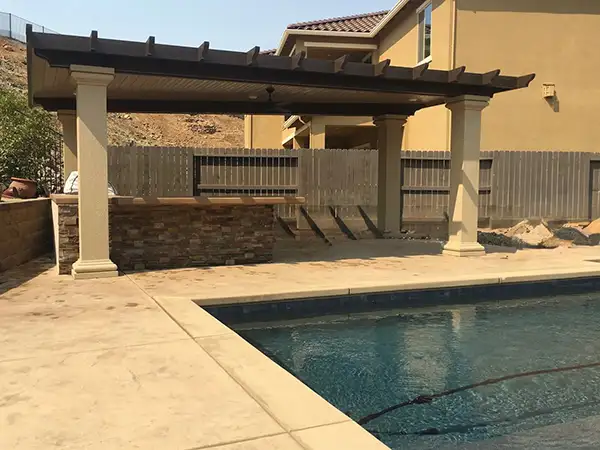
Patio covers made of concrete provide durability and rigidity. This makes them suitable for outdoor areas that require solid coverage.
Stamped Concrete with Covered Structures
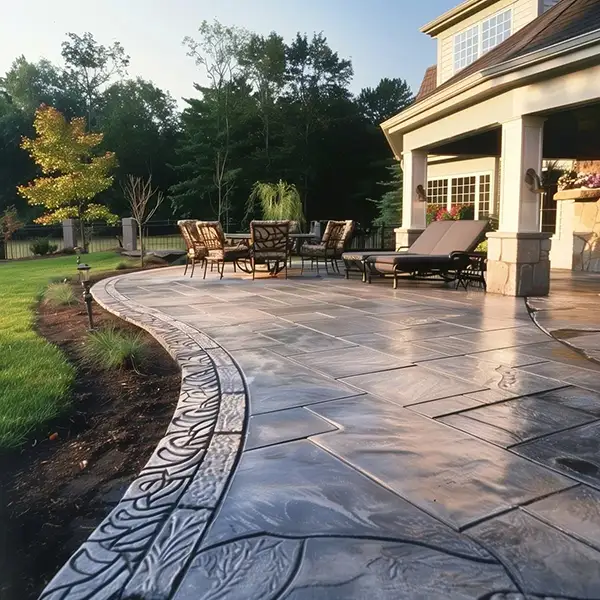
Stamped concrete refers to concrete with a particular pattern and design that imitates stone surfaces. Stamped concrete complements covers made of wood or metal.
Stone and Masonry Columns
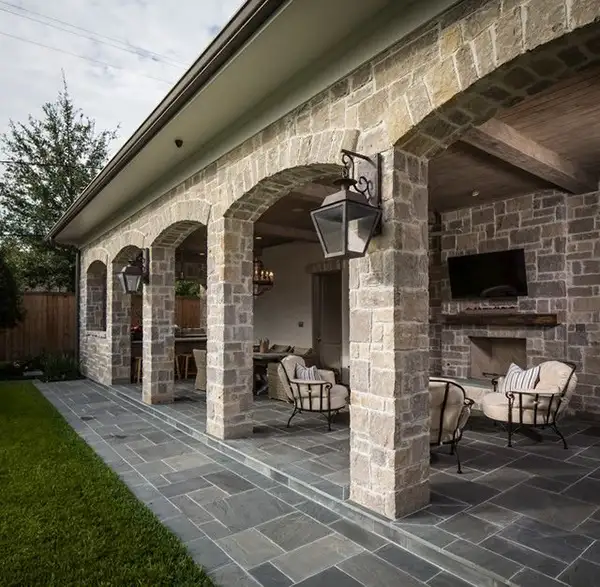
Stone and masonry columns provide extra texture and stability to patio covers. They fit well with a classic, Mediterranean, and rustic style home.
Retractable Patio Cover Ideas
Retractable patio covers are versatile with respect to weather conditions and sunlight. They can be adjusted to meet your needs of shade and comfort.
Motorized Retractable Awnings
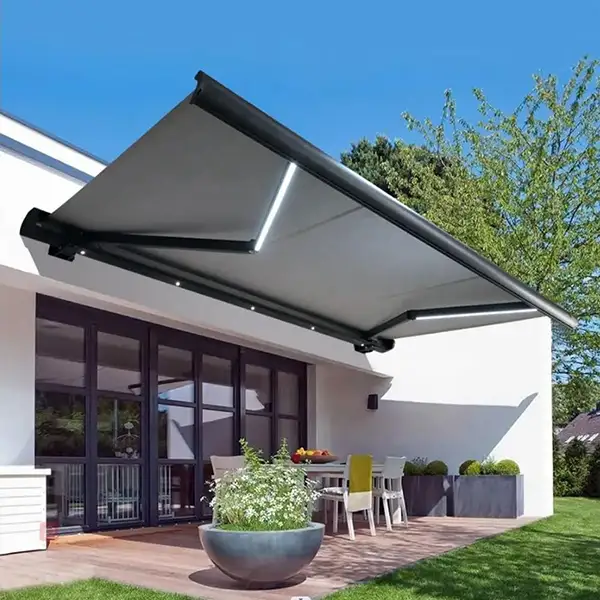
Motorized patio cover design ideas operate using remote controls and can be deployed at any given moment. They can be set up on patios, decks, or outdoor seating areas.
Louvered and Adjustable Roofs
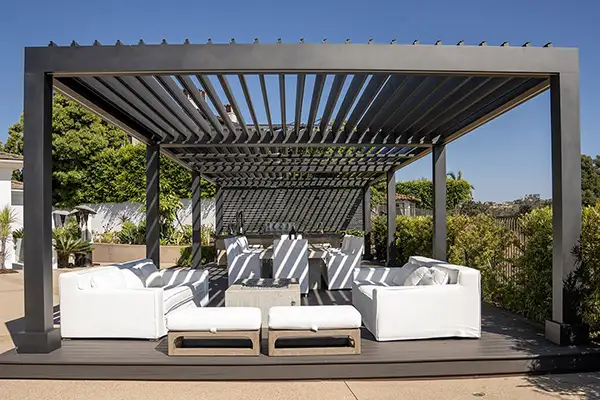
Louvered patio roofs are composed of adjustable slats, which can be opened to allow sunlight and airflow, or can be closed, allowing shade and protection from the rain. Such roofs make the ideal choice for modern outdoor spaces.
Cost and Smart Controls
Retractable covers usually come at a higher cost compared to regular fixed options. and in particular motorized versions of the retractable option. Smart controls, remote control, rain sensors, and wind sensors take convenience and effectiveness to a whole new level.
Small Patio Cover Ideas
Small patio cover ideas can become cozy open-air getaways by using compact covers and smart designs. Go for compact structures that provide cover without cluttering the area.
Compact Lean-To Covers
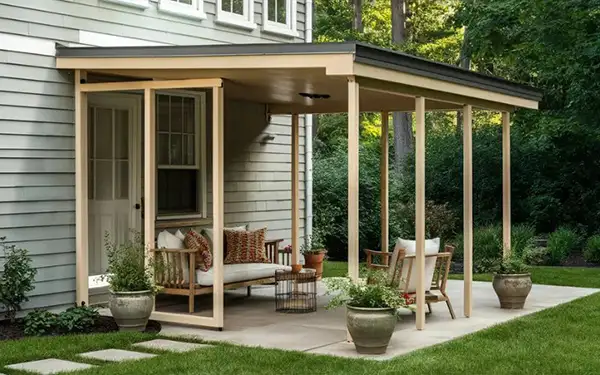
Lean-to patio covers feature simple sloping roofs that are attached to the house. Their compact design makes them applicable for narrow patios and small yards.
Corner and Balcony Solutions

You can cover a small balcony or outdoor space with retractable awnings, corner pergolas, compact canopies, or shade sails without taking up much space.
Making a Small Patio Feel Larger
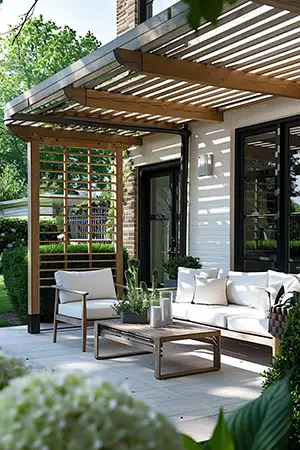
The choice of roofing materials is vital in creating an airy environment at home. Light tones of roofs, when combined with slender, sturdy posts and minimalistic furniture, create an open feeling. The addition of wall fixtures, vertical plants, and folding seats will further enhance the usefulness of the area.
Cheap and Inexpensive Patio Cover Ideas
Designing a comfortable patio doesn’t have to cost you a fortune. Utilizing simple materials and easy-to-construct properties will enable you to construct inexpensive patio cover ideas.
Budget construction materials (Polycarbonate, Corrugated sheets, Fabrics)
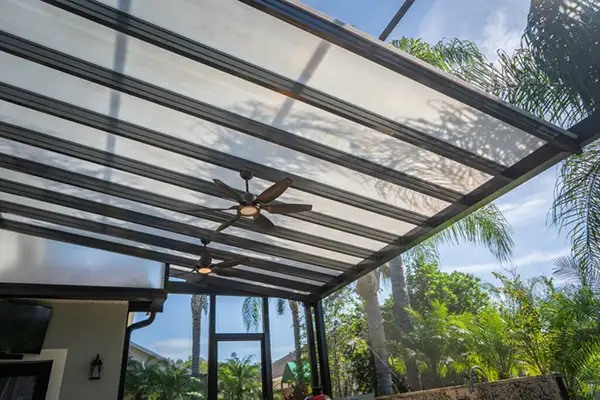
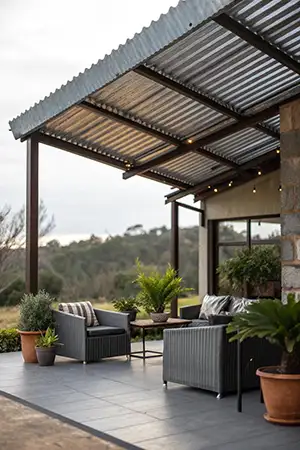
Polycarbonate shingles will provide some lighting while protecting from the elements; corrugated sheets will serve you well at a relatively low price, while outdoor fabrics are both lightweight and budget-friendly.
Shade sails and canopies
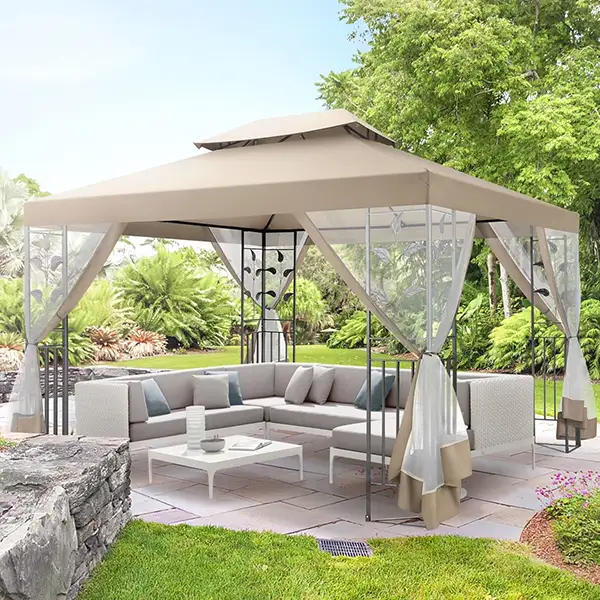
Shade sails and canopies made of fabrics are inexpensive patio covers. They can be easily modified and have various designs, colors, and shapes.
Where to Save and Where Not To
You can spend less money by selecting standard materials, easy roofs, and DIY finishes. However, it would be a bad idea to economize on support and foundation since that may harm the integrity of the designed area.
Cost Comparison Table by Material
| Material | Approximate material cost | Benefit |
| Shade fabric | 1–5/sq. ft. | Budget shade |
| Polycarbonate | 2–8/sq. ft. | Natural light |
| Corrugated metal | 2–7/sq. ft. | Durability |
| Wood | 3–12/sq. ft. | Natural appearance |
| Aluminum panels | 4–12/sq. ft. | Low maintenance |
DIY Patio Cover Ideas
DIY Patio covers can save you money on installation, as well as provide you with a unique design. Easy projects that are popular for many homeowners are shade sails, fabric canopies, or simple pergolas.
Beginner-Friendly Builds
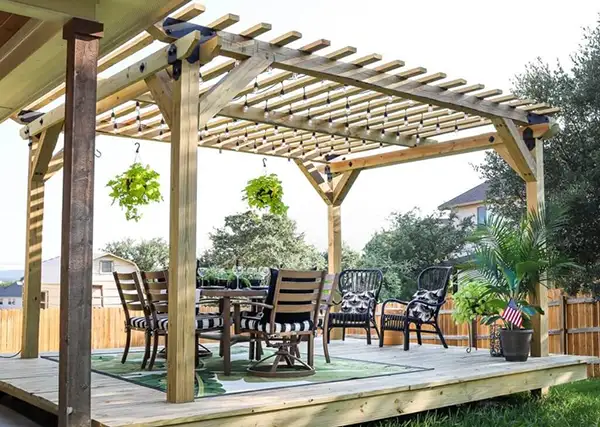
If you have just started DIY projects, you can try to build some simple canopies, shade sails, or small wooden pergolas. These projects will need the least materials and are simple to design.
Basic Tools and Materials List
Basic supplies for DIY projects:
- Measuring instruments, levelling equipment, and power tools.
- Saw, screwdriver, and safety equipment.
- Wood or metal parts to support the project.
- Roof panels or outdoor fabric.
- Proper fasteners and hardware.
- Concrete if needed.
Permit and Code Considerations
Must check local building codes and permits before starting your project. Regulations concern the structure height, construction points, roof size, foundation, drainage, or how it is attached to the apartment building.
When DIY Becomes Risky (structure, attachment, wind)
Do not complicate your DIY project if it requires complicated techniques of connecting roofs,
heavy materials, has large spans, or has difficulties with strong winds.
Patio Cover Ideas for Rain
A rain-friendly patio cover is about design features that ensure your outdoors can be used in rainy conditions. Waterproof materials of the cover and proper drainage solutions are a must to avoid leaks and puddles.
Waterproof Roof Options
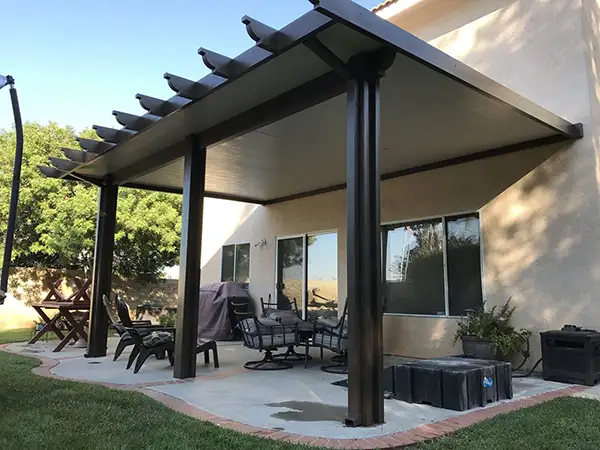
Several roofing materials can withstand rain, like metal roofs, polycarbonate panels, asphalt shingles, and insulated roof systems. Pick high-quality materials with well-tightened joints to save your patio from the rain.
Slope, Gutters and Drainage
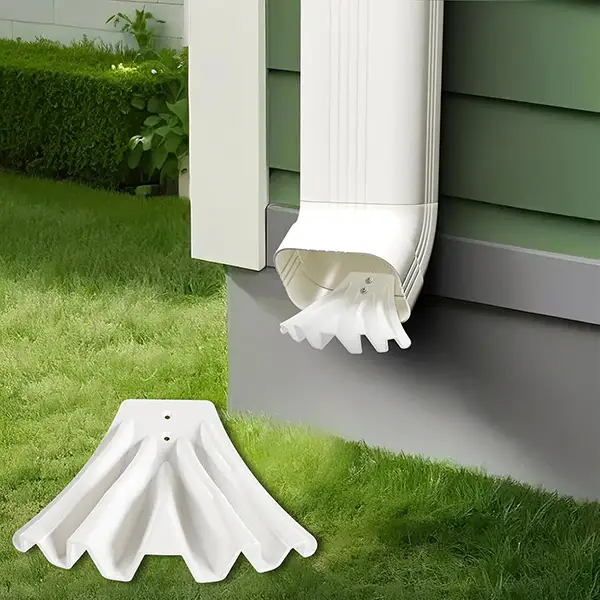
A properly sloped roof allows water to flow down properly via the gutters. Make sure your drainage system works correctly and moves the water away from the building and all the surrounding pathways.
Enclosed and Screened Covers
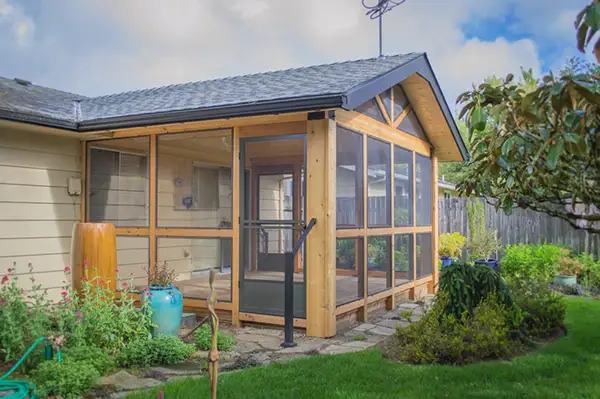
Enclosed or screened roofs will provide you with extra protection from rain, wind, or biting insects. The roofs offer good solutions for outdoor dining in inclement weather.
Patio Cover Ideas for Sun, Heat and Texas Weather
Hot summers in Texas mean scorching sunshine, high temperatures, and sometimes severe storms. Therefore, making the right choices when it comes to materials is vital to create a safe outdoor space.
Best Materials for High Heat
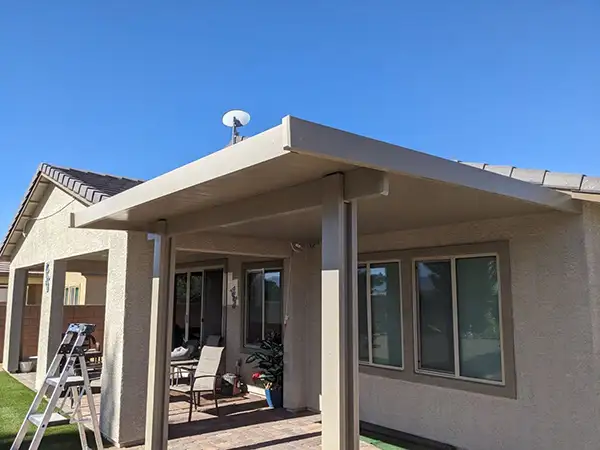
For hot climates, roof systems made of aluminum, insulated panels, or treated wood have gained popularity. Light colored roofs can better reflect the sun whereas insulated panels can reduce heat transfer.
Insulated Roofs, Ceiling Fans and Misters
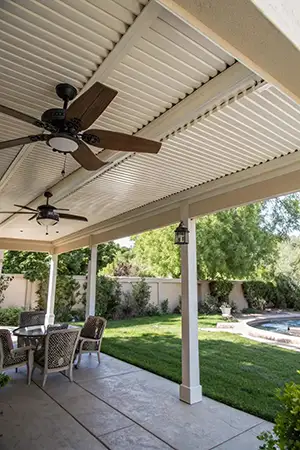
Adjust the insulated patio roof design with outdoor ceiling fans to enhance the comfort level on hot days. A misting system is an excellent way to cool off in dry weather while proper ventilation minimizes heat buildup.
Wind, Hail and Storm Considerations
Pick the correct posts along with strong roof attachment points made from weather-proof materials in order to withstand strong winds and hail. The building codes applied to the area must be verified, as well as compliance with wind load specifications, before the installation.
By having a covered patio constructed, you will get an addition to your home with comforts available in open air and a beautiful view to enjoy.
Covered Patio Design Ideas
You can use covered patios as an addition to your interior home space, as they provide pleasant environments for relaxation and entertainment. Select designs that focus on comfort, appearance, and protection from weather conditions.
Outdoor Kitchen and Dining Covers

A functionally organized outdoor cooking space with a grill, counter space, dining area, and durable cabinets is the key to the success of a covered patio. A stable roof serves the purpose of shading for cooking and eating.
Fireplace and Fire Pit Lounge Covers
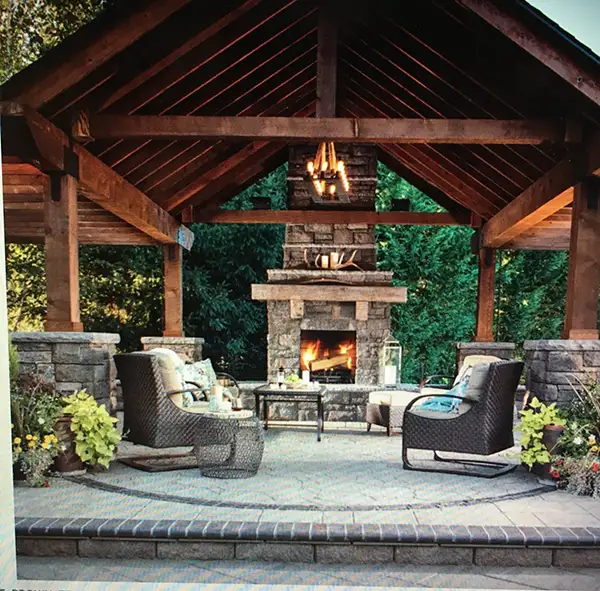
A lounge with a fireplace or fire pit offers coziness to your outdoor leisure. Always think about the smoke getting out of the space, fire safety precautions, and materials used for making a lounge area with a fireplace.
Lighting, Fans and Heaters
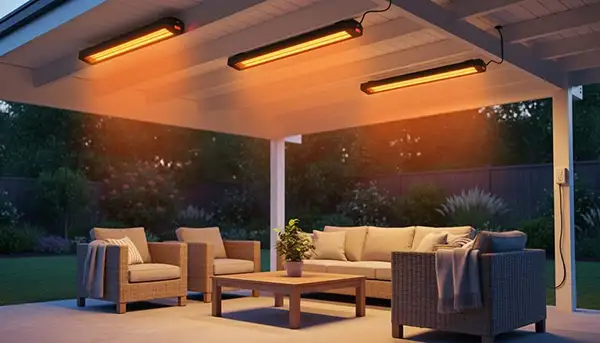
Ceiling fans, chandelier lights, ceiling lamps, and outdoor heating systems make your patio usable at any time of the day or night.
Ceiling Finishes (tongue-and-groove, beadboard, beams)
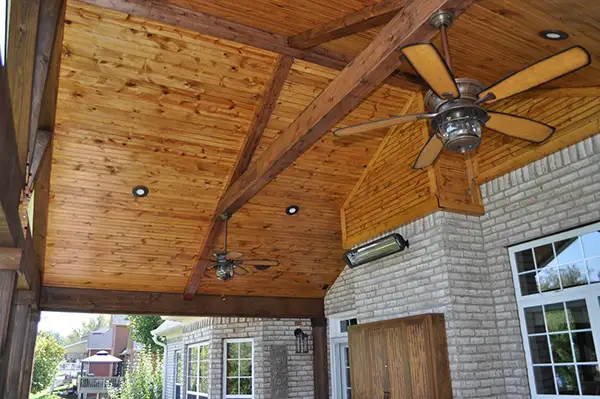
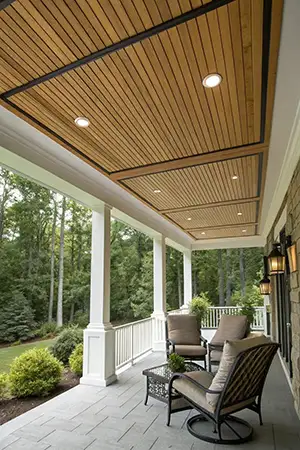
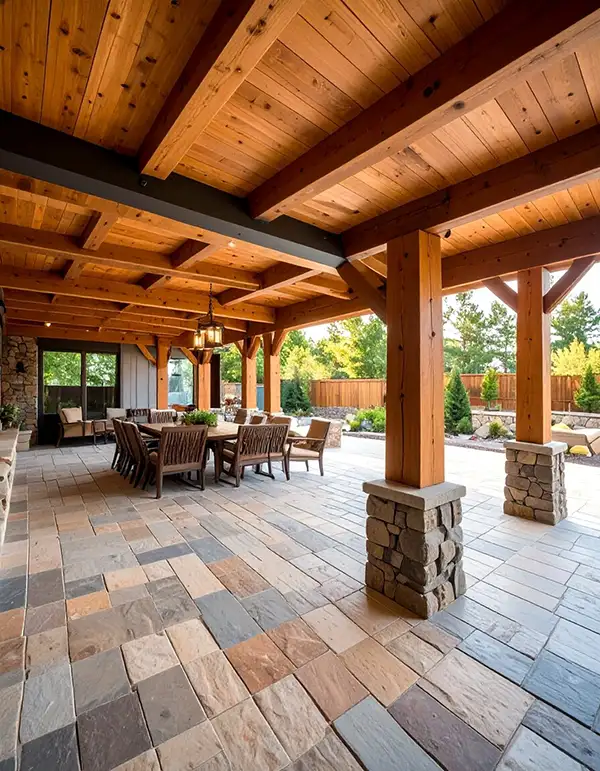
Ceilings may play an important role in the design of your patio. For example, tongue-and-groove boards make a nice finish, while beadboard and exposed beams will bring style to affordable patinas.
Privacy Screens and Curtains
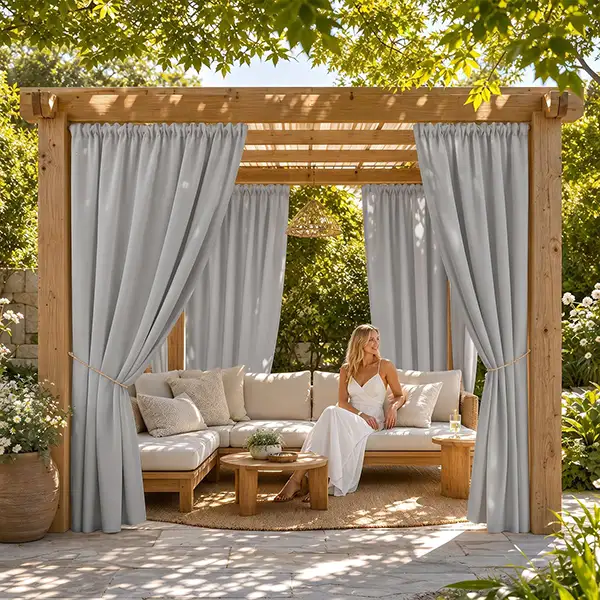
Outdoor curtains, wooden screens, and beautiful partitions create a secluded space while reducing direct sunlight and wind.
Patio Cover Design Styles
Choose a style of patio shelter that fits well with the structure of your house. The material should be similar in color and use, roof shape, and embellishments, making the overall appearance harmonious.
Modern and Minimalist
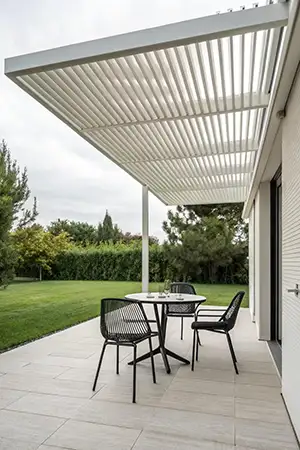
Choose fine aluminum shade structures, neutral shades, flat roofs, and minimalistic furniture for a modern outdoor design.
Rustic and Farmhouse

Add exposed timber ceilings, natural-looking surfaces, metal roofing, and rustic-style furniture for a homely atmosphere.
Traditional and Craftsman

Select wooden columns with decorative details, a pitched roof of solid design, and fine finishing touches for a traditional house as well as Craftsman design.
Mediterranean and Spanish

Make use of stucco columns, terracotta roofing, warm colors in decoration, and textured surfaces for an outdoor retreat inspired by Mediterranean trends.
Coastal and Tropical

Use pale roofs, natural wood, bamboo details, and light fabrics to create a casual coastal feeling.
Patio Cover Cost
The price of a patio shelter depends on the type of arrangement, materials, size, roofing, and necessary installation work. The easier the shade solution is, the lower the price is.
Cost by Material and Type
| Patio cover Category | Approximate cost (US) |
| Shade sail | 300–1,500 |
| Fabric canopy | 500–2,500 |
| Wood pergola | 2,000–13,000 |
| Aluminum patio cover | 4,000–12,000 |
| Metal patio cover | 4,000–15,000 |
| Solid roof patio cover | 4,000–15,000 |
| Louvered pergola | 6,500–25,000 |
| Custom timber patio cover |
Cost per Square Foot
Common patio in building costs may differ based on construction type:
- Fabric covers and shade sails: 5-20 per sq. ft.
- Basic wood pergolas: 20-60 per sq. ft.
- Aluminum covers: 20-50 per sq. ft.
- Solid roof structures: 25-60 per sq. ft.
- Custom louvers: 40-100+ per sq. ft.
These are expected ranges for budgeting purposes and do not represent fixed contractor costs.
Factors That Affect Price (size, roof style, electrical, labor)
There are numerous impacts on the cost of building a patio cover:
- Size: Bigger constructions would require more material and labor.
- Roof type: Gable, hip, insulated, and motorized roofs cost more than simple ones.
- Material: Premium timber, steel, and custom aluminum finishes mean higher costs.
- Electrical works: Lighting, fans, electrical outlets, and smart controls count as construction costs.
- Labor: Construction complications and access to the site influence the price.
- Permits and foundations: Footings, inspections, and approvals contribute to the total project budget.
Return on Investment
Installing an excellent patio cover can increase outside functionality, improve aesthetics, and enhance your property’s sale appeal. Nevertheless, the real return on investment relies on the conversions of properties in your area, construction, and preferences of buyers. Use the most beneficial materials with designs that suit your house instead of expecting to receive all installation costs back.
How to Choose the Right Patio Cover
Finding out how to choose the best patio cover involves general protection for elements and a good-looking design within a reasonable price range. Think of how you will be using the place before choosing a particular design.
Climate, Sun Direction and Use
Use solid materials for roofing in case of heavy rain or sun or use retractable awnings for flexible shading. Make sure to check the sun’s position, direction of winds, and weather conditions at different times of the year.
Budget and Maintenance
Study the differences between the initial costs of installation and costs of maintaining the covering. Aluminum or metallic covers usually need less maintenance while wooden buildings need sealing, staining, or painting.
HOA Rules and Building Permits
Prior to installation of your patio cover, adhere to homeowners association (HOA) regulations and municipal building code. The guidelines may specify requirements like structural height, setbacks, type of roof-covering material and means of attachment, drainage, and so on. Secure the requisite permits prior to launching construction.
Decision Checklist
Utilize the following checklist prior to deciding on the patio cover design.
- Measure the available patio area.
- Opt for either an attached or freestanding design.
- Choose the roof-covering material and its style.
- Take into account possible weather conditions and pedestrian traffic.
- Determine the budget for installation and maintenance.
- Come up with a plan for lighting fixtures, fans, and other additions.
- Familiarize yourself with rules of HOA and the permits.
- Establish the structural stability and form of water drainage system.
Advice: Pick a patio cover that is in line with your house’s architectural style and your pecuniary capabilities.
Patio Cover Mistakes to Avoid
A patio cover should ensure long-lasting comfort and safety as well as protect you from bad weather. Avoid the most widespread mistakes in order to spare your wallet and prevent structural issues.
Underbuilding for Wind and Snow Loads
Utilizing inadequate posts, unreliable connections, or insufficient foundations is a recipe for dangerous patio coverage. You need to make sure that the structure is resistant to environmental conditions such as snow, wind, etc.
Poor Attachment or Flashing
Incorrect fastening of the roof and the absence of flashing can create water leakage and lead to damage of the walls and ceilings. To avoid this situation, you should pay attention to the connections and weatherproofing materials used.
Blocking Natural Light into the House
Using gigantic roofs or placing them improperly can lead to insufficient light in the house. It is very important to consider the placement, height, and width of your roof to avoid dark apartments.
Skipping Permits
Ignoring local construction permits and regulations provided by the housing community may bring you fines and delay the execution of the project. Therefore, you need to view all the necessary documents before starting the work.
DIY vs. Hiring a Patio Cover Contractor
Selecting the type of installation involves defining the size, complexity, and structure of the project.
When DIY Works
DIY installation of construction systems is appropriate for very simple designs. If the undertaking does not require many materials and construction skills then DIY project will be appropriate.
When to Hire a Professional
Hire the services of professionals for the installation of patio roofs, large buildings, electrical work, and any type of project with more demanding structural foundations or wind loads. Working with specialists guarantees the same quality of construction and safety.
What a Design-Build Team Delivers
The design-build team is responsible for the whole process starting from the planning of work till the project is finished. The services usually include:
- Designing of the patio cover and choosing materials.
- Space planning and architectural help.
- Developing and supporting the structural part of the work.
- Installation of lighting, fans, and other outdoor features.
- Managing renovations.
Plan Your Patio Cover with Wall Insiders
Are you ready to change your outdoor area? Wall Insiders offers design and renovation services to make beautiful and practical patio zones. Based in the state of Texas, we will help you design your patio cover according to your design preferences, activities, and financial possibilities.
Check our portfolio for design ideas.
Frequently Asked Questions
What Are the Most Popular Methods of Covering Patios?
What Are the Cheap Alternatives of Covering the Patio?
Some of the cheap materials that can be used for covering the patio include cloths and shades, sails, and corrugated roofing material. These methods of covering the patio create adequate shade without necessarily constructing a permanent structure.
What Methods of Covering Patios Can Be Used for Creating Rain Guard?
Covering methods such as solid metal roofs and polycarbonate panels can be used effectively for covering the patio during rain. However, at the same time, the roof should provide proper slopes, flashing, guttering or downspouts to avoid blockages.
What Is the Most Suitable Material for the Cover of the Patio?
Aluminum is one of the most preferred choices of patio covering material because of its high durability and light weight. Wood provides natural beauty, while steel is known for its strength. The choice of the right material will depend on one’s climate, design preferences, and budget.
What Is the Cost of a Patio Cover?
A patio cover costs around 2,000–15,000, depending on its size, materials, and design. Custom timber constructions or motorized louvered systems may cost upwards of $25,000.
Can I Construct My Own Patio Cover?
Yes, simple pergolas, shade sails, and fabric canopies lend themselves to a do-it-yourself project, but you need to be careful with mounted roofs, large constructions, and complex foundations.
Will I Need a Permit for My Patio Cover?
Whether you need a permit or not is determined by the location, size, and height of your structure. You need to check local building codes and HOA regulations prior to starting your construction project.
How Are Pergolas and Patio Covers Different?
A pergola provides partial shade due to its open and slatted roof, whereas a patio cover comes with a solid or weather-resistant roof that protects from direct sunlight or rain.
What Are Good Ideas for Small Patios?
Compact lean-to covers, retractable awnings, corner pergolas, and shade sails are appropriate options. Light-colored roofs, slim supporting columns, and folding furniture facilitate making use of space.
Final Thought
When deciding on a patio cover, there are three important factors to consider: your budget, climate, and willingness to maintain. Determine how you plan to use the area, select the roof and material accordingly based on your climate, and take into consideration the drainage, structure, and approval process before finalizing the design.
Are you ready to renovate your patio area?
Visit Wall Insiders to learn more about patio reno services in Texas.
Related Post
County Integrated Development Plan: Meaning, Purpose, Components, And Importance In Country Development
A single project cannot develop anything properly, as development needs accurate planning, coordination, financial support, management, and a better understanding…
25 Budget-Friendly DIY Christmas Gifts to Make Every Home Feel Special
Hey, gift-giving chaos month is upon us (you know what that is; it’s Christmas and all about good vibes and…
Patio Cover Ideas: 30+ Designs, Materials and Costs for Every Budget (2026)
A patio cover can easily transform an open area into a cozy and comfortable place to be. The best patio…

Framework Homeownership Making An Offer Answers: Best Practices and Tips To Get A Home…
As a first-time buyer, you might be searching for framework homeownership making an offer answers. This framework helps you have…
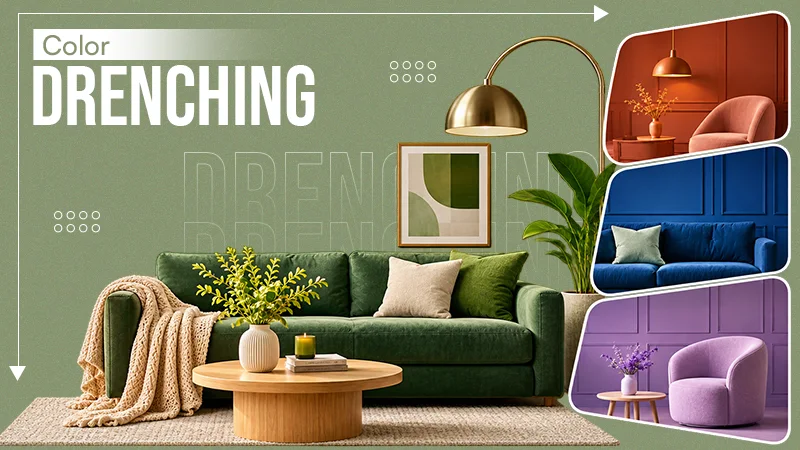
Different Color Drenching Ideas to Modernize Your Living Space
Have you ever entered a room and found every entity in it the same color? Well, that is called color…
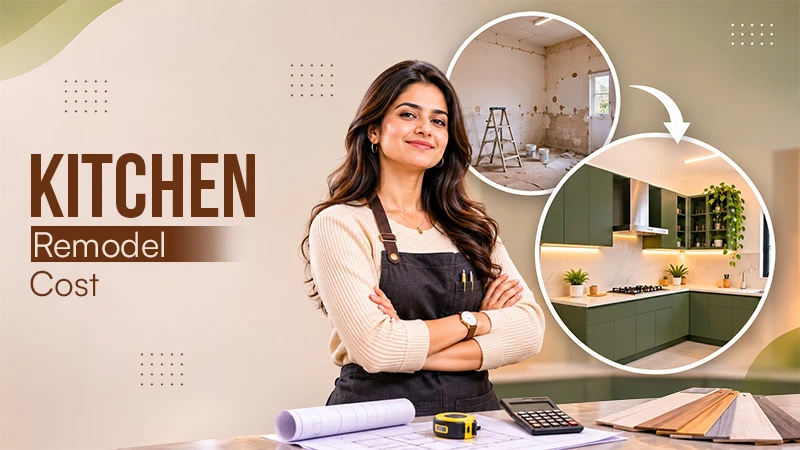
Kitchen Remodel Cost in 2026: Full Cost Breakdown and Tips to Do a Kitchen…
Kitchen remodeling is one of the most crucial parts of a home renovation project. On average, remodeling costs range from…