
The software designers use Pinterest, Canva, and Morpholio Board for research, ideation, and creating 3D visualisations and layouts. SketchUp, Revit, and 3ds Max are the most widely used software by interior designers.
Interior designers design and organize the interior of a space, making it both coordinated and safe. They translate the needs of their client, plan the interior of a room, choose the various materials and furnishings, develop design ideas, develop cost estimations, and coordinate the various contractors and installers to make a room come together to suit the client’s lifestyle.
According to the Environmental Protection Agency, a human spends 90% of their life indoors, which means having a comfortable and practical space to live is non-negotiable. Thus, the primary job of an interior designer is to strengthen the human experience by enhancing the functionality, safety, and materiality of a space.
With proper space planning, project coordination, and site supervision, the job of an interior designer is vast, working across various specialisations, such as residential, commercial, hospitality, healthcare, and more. In this article, you can discover what do interior designers do, their key roles and responsibilities as interior designer, their workflow, types, and a complete career guide. Follow along to know more.
For professional support with space planning, materials, lighting, furniture, and finishes, work with our experienced interior design team.
Table of Contents:
- Who are Interior Designers? What Do Interior Designers Do?
- A Complete Cost Breakdown of Hiring an Interior Designer
- A Guide to the Interior Design Process: Detailed Workflow of an Interior Designer
- Professional Interior Design Tools, Software, and Technologies
- Popular Interior Design Specialisations You Should Know
- Step-by-Step Guide to Becoming an Interior Designer: Education, Future, Scope, and Salary
- The Bottom Line
- Frequently Asked Questions
Who are Interior Designers? What Do Interior Designers Do?

An interior designer is a trained professional who aims to create a functional, safe, and harmonious space by considering various factors, such as the client’s lifestyle, expectations, and modern ergonomic needs.
But a recurring question occurs: “What do Interior Designers Do?” As per the U.S Bureau of Labour Statistics, “Interior designers make indoor space functional, safe, and beautiful by determining space requirements and selecting essential and decorative items, such as colours, lighting, and materials”.
Hence, the core job of an interior designer involves understanding the client’s requirements, working within strict expectations, sketching preliminary designs, creating timelines and estimating costs, collaborating with professionals, procuring the best materials, and finally overseeing and following up regularly after the final handover.
Key Roles and Responsibilities of an Interior Designer
The key roles and responsibilities of an interior designer involve understanding the client’s goals and requirements, creating design concepts, and rendering 3D models, designs, and drawings for visualisation.
Here are some of the primary roles and responsibilities of an interior designer:
- Understanding the client’s preferred designs, financial limitations, goals, and requirements.
- Space Planning and Design Concepts, which involves organising layouts for enhanced functionality, creating moodboards and colour palettes.
- Generating 2D or 3D designs for visualisation.
- Finalising the material, furniture, fixtures, and equipment (FF&E).
- Managing projects, coordinating with contractors, vendors, and architects.
- Regular site supervision and inspection to ensure adherence to quality standards and building codes.
A Complete Cost Breakdown of Hiring an Interior Designer
According to Homeguide’s data, the average cost of hiring an interior designer comes to around $50 to $250 per hour, or a total of $1893 to $11,180, depending on project complexity and requirements.
Here’s a complete cost breakdown:
| Initial consultation | $50-$450 |
| Hourly Rate | $50-$450 |
| Per Square Foot | $5-$17 |
| Per Room (+ Furnishings) | $1,000-$12,000 |
| Per Room (Only Design) | $449-$1499 |
Factors Affecting Interior Design Cost
The project size, complexity of design, customisation required, designer’s experience, ergonomic needs, and location are some factors that affect the interior design cost.
- Project Size: The size of the space being designed affects the cost. For example, the cost of designing a residential home could be far less than designing a hospital or a corporate office, as the design complexity and material requirements are huge.
- Designer’s Experience: A highly trained and experienced professional will charge more than a new one. Luxury or celebrity designers may cost even more.
- Level of Customisation Required: The customised interiors are far more expensive than ready-made ones. For example, a walk-in closet, unique lighting designs, and decor elements can cost more as it increases labour requirements and design time.
- Project Location: Geographical conditions play a crucial role in determining the cost. Metropolitan cities may charge higher labour, transportation, and material costs. Design requirements at the prime locations in major cities, like New York and Los Angeles, can be expensive.
- Design Complexity: Expensive design styles, such as luxury modern, handcrafted decor elements, unique lighting, and more significantly increase the cost.
A Guide to the Interior Design Process: Detailed Workflow of an Interior Designer
Wondering what does an interior designer do? The workflow of an interior designer begins with client consultation, site visits, concept development, material selection, budgeting and planning, execution, and finally handing over the desired results.
Here’s everything you need to know about an interior designer’s workflow:
1. Client Consultation and Requirement Analysis
The interior design process begins with understanding the client’s goals, needs, and requirements. This includes understanding:
- Daily Routine and Lifestyle
- Problematic Areas
- Number of People Staying
- Storage Requirements
- Client’s Preferred Designs and Moodboards
The consultation process also involves understanding the client’s budget, counselling, offering them material samples, outlining your designs and concepts, and the expected date of delivery.
2. Site Visit and Analysis
Studying the physical space becomes crucial for concept development, mapping, and planning. During the site visit, an interior designer examines:
- Boundary, Dimensions, and Buildable Area
- Electrical and Plumbing Points
- Existing Structure, like Pillars and Columns
- Ventilation
- Natural Lighting
This ensures that the space planning is practical and presents a solution to the current problems.
3. Concept Development and Space Planning
Shape your client’s vision into something tangible. It connects imagination with planning. Developing an overall design requires research and ideation. An interior designer can create:
- Moodboards with colour schemes
- Material Ideals
- Rough Sketches
- Themes
- Styles
Similarly, space planning and creating a layout ensure maximum functionality, proper proportions and balance, and enhance movement and flow.
Tools Used for Concept Development and Space Planning:
Pinterest, Canva, and Morpholio Board are used for research, ideation, and identifying current trends.
SketchUp or AutoCAD are ideal for creating a rough layout and providing visual direction for the design.
4. Material Selection and Development Initiation
After space planning, the interior designers begin material selection, including paint colours, fabrics, fixtures, flooring, and hardware. It determines the appearance, durability, and comfort of the space. The selection process in entirely based on:
- Client’s Budget
- Functionality
- Space
- Durability and Maintenance
5. 3D Visualisation and Client Feedbacks
Once the design layout and structure are ready, an interior designer creates a 3D layout of the planned designs and sets the client’s expectations. Technical drawing and digital models allow the clients to visualise the final result. The 3D design must include:
- Floor Plans
- Flow Movement Between Rooms
- Furniture Placements
- Elevation and Ceiling Plans
Once the client walks through the preview, feedback and open discussions regarding changes and adjustments are encouraged.
Tools Used to Create 3D Visualisations
3D renderings can be done using tools like SketchUp, Revit, and 3ds Max.
6. Budget Planning and Cost Estimation
Based on the chosen material, fabrics, and fixtures, an interior designer prepares a budget that helps:
- Prevent Overspending
- Combines Aesthetic with Affordability
- Matches Client’s Budget with Actual Budget
This ensures that the budget aligns with customers’ expectations and selects the material and solutions that match the client’s financial goals.
7. Execution and Vendor Coordination
This is the stage where actual field work begins. Interior designers coordinate with multiple professionals, contractors, suppliers, and installers. It involves:
- Creating Contracts and Reviewing Quotes
- Scheduling Installations and Deliveries
- Overlooking the Entire Process
- Resolving Conflicts, if Any
Interior Designers must ensure regular site visits to inspect adherence to quality standards and the client’s expectations. They are required to manage logistics and keep accurate records.
8 Handing Over the Final Work
Lastly, add the final touches, arrange furniture and decor spaces to make the space comfortable. It includes:
- Balancing proportions with the furnitures
- Adjusting warm and bright lights based on requirements
- Using decor pieces, indoor planters, and lamps to give it a personality.
After the final handover, interior designers must take a follow-up from the client, which reflects their professionalism and ensures good client relationships.
Professional Interior Design Tools, Software, and Technologies
AutoCAD, Canva, SketchUp, Revit, Adobe, and 3ds Max are some of the best interior design tools, software, and technologies used by interior designers.
Here’s everything you need to know:
| Tools | Purpose |
| AutoCAD |
|
| SketchUp |
|
| 3ds Max |
|
| Revit |
|
| Adobe |
|
Popular Interior Design Specialisations You Should Know
Interior design is a vast field with multiple specialisations. Depending on the project type and industry, the main specialisations include residential, commercial, hospitality, healthcare, and sustainable interior designers.
Here’s everything you need to know:
| Specialization | Role |
| Residential | Design homes, apartments, and living spaces. |
| Commercial | Design corporate offices, co-working spaces, and retail stores. |
| Hospitality | Design hotels, cafes, restaurants, and resorts |
| Healthcare | Design hospitals, nursing homes, and clinics for safe and hygienic working conditions. |
| Sustainable Designers | Focuses on using sustainable materials, maximising energy, reducing waste and carbon footprint, and incorporating renewable energy sources. |
Distinction Between Related Fields: Interior Designer Vs Decorator Vs Architect
The primary difference between an interior designer, a decorator, and an architect is that an interior designer plans spaces and creates layouts, while an interior decorator styles spaces with colours and decorations. An architect handles modifications, constructions, and spatial redesign.
| Interior Architect | Interior Designer | Interior Decorator |
|---|---|---|
| An architect focuses on a building’s “shell”, and designs walls, layouts, roof and integrates mechanical, electrical, and plumbing systems (MEP). | An interior designer balances the aesthetics and functionality by ensuring proper space, balanced proportions, and practicality for everyday use. | An interior decorator fills the space with colours, decor pieces, and adds structural elements that make the space cohesive and visually appealing. |
Step-by-Step Guide to Becoming an Interior Designer: Education, Future, Scope, and Salary
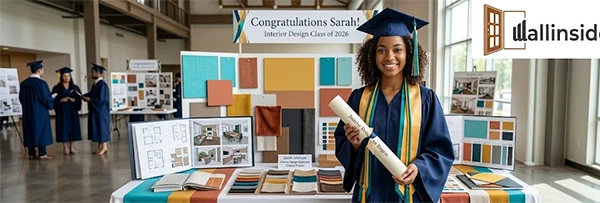
Becoming an interior designer requires an individual to complete the desired educational program, gain hands-on experience, build a portfolio, pass the NCIDQ exam and register for a state license.
Here’s a complete career path you can follow to become an interior designer:
Step 1: Understanding Your Interest and Completing High School Education
Step 1 requires an individual to analyse their interest in the field. Before entering the field, one must understand what interior designers do. They:
- Plan the interior space
- Create 3D technical designs and layouts
- Procure Materials, Furniture, Fixtures, and Equipment (FF&E)
- Coordinate with Professionals
- Adhering to Safety Standards and Building Code Compliance
While completing high school education, one must focus on major subjects, such as:
- Mathematics
- Art and Design
- Computer Applications
- Fine Arts and Drawing
Step 2: Gaining a Degree
Completing formal education is an important step toward becoming a professional interior designer in the USA. Candidates can pursue different degrees based on their goals:
- Associate Program (2 Years, Ideal for Assistant-Level Roles)
- Bachelor’s Degree (4 Years, Ideal for Entry Level Roles)
- Master’s Degree (Advanced Specialisation)
Reddit Query: What do you learn in interior design school that makes it worth the money and time?
Ans. While pursuing a degree in an interior design school, a student learns both the hard skills and soft skills, such as:
- Space Planning and Layout
- CAD and 3D software
- Building System and Sustainable Design
- Safety Codes and Life Issues
- Lighting Designs
- Colour Theory
Learning Soft Skills includes:
- Clear Communication
- Client Management
- Problem Solving
- Team Effort and Collaboration
Step 3: Expanding the Skill Set
This step requires an individual to master software skills. Technical software skills that need to be mastered are:
- Auto CAD
- SketchUp
- 3ds Max
- Revit
- Adobe Photoshop
- Morpholio Board
- Canva
Expert Recommendation:
Pair your major interior design degree with a minor, such as architecture, environmental studies, graphic design, and business, as these minor degrees expand your skill base and open more career doors.
Step 4: Gain Practical Exposure and Build Portfolio
Begin your career journey with internships or entry-level training under experienced designers. It helps:
- Gain practical exposure
- Get Real Life Projects and Hands-on Experience
- Learning Site Execution
- Networking
Building a portfolio becomes another crucial step for an interior designer. A well-made portfolio includes:
- Personal Branding
- Breakdown of Core Projects
- Tailored Presentation
- 3D visualizations
- Before and After Concepts
Step 5: Pass the NCDIQ Exam
The National Council for Interior Design Qualification is a three-part examination that tests the core competencies of an interior designer. The three sections include:
- Interior Design Fundamentals Exam (IDFX)
- Interior Design Professional Exam (IDPX)
- Practicum Exam
Step 6: Apply for a State License
License requirements vary by state. To get a license, an individual is required to submit:
- An online application through the official platform
- NCDIQ if cleared
- Application Fees
Step 7: Choose Specialisation and Start Working
Interior designers may specialise in:
- Residential Design
- Commercial and Corporate Design
- Hospitality Design
- Retail Design
After selecting a specialisation, begin working under an experienced professional
5 Non-Negotiable Skills Required to Become an Interior Designer
To become an interior designer, an individual is required to have an eye for creativity, space planning, and clear communication skills. Technical skills are non-negotiable as an interior designer constantly works with new technology and software to create 3D models and visualise the designs.
Here are some irreplaceable skills to become an interior designer:
- Creativity: Having an artistic vision is a core skill for becoming an interior designer, as it ensures the ability to develop new concepts and ideas. Creativity makes a space practical, livable, and feasible.
- Technical Skills and Computer-Aided Design: Creating floor plans, layouts, and designs requires the use of computer-aided design (CAD) to create 3D models for visualisation. Working with strict client expectations requires an interior designer to be proficient with technical know-how.
- Knowledge of Safety and Construction Standards: Adhering to building codes and safety standards is crucial. There can be multiple local, state, or federal construction guidelines with respect to light, gas specifications, and measurements. Building codes include measurement requirements and flexibility in case of an emergency.
- Planning and Perspective: Organising layouts, anticipating multiple possibilities, and incorporating a unique perspective are significant skills for an interior designer. They must visualise and bring unique solutions, such as using sustainable or eco-friendly materials as required.
- Understanding of Design Principles: There are seven abstract aspects of interior design: balance, harmony, rhythm, proportion, emphasis, contrast, and detail. Understanding when and how to use a design principle is a skill that requires time and constant practice.
Future, Scope, and Salary of an Interior Designer
According to the US Bureau of Labour Statistics, the median annual salary of an interior designer is $63,490, with the highest 10% earning more than $1,06,090.
Here are some quick facts about interior design, future, and jobs as per the BLS:
| 2024 Median Pay | $63,490 $30.52 per hour |
| Number of Jobs, as of 2024 | 87,100 |
| Work Experience Required | None |
Research by the US Bureau of Labour Statistics shows that the employment of interior designers is projected to grow by 3% from 2024 to 2034, with an average of 7800 openings each year over the decade.
Hence, the expanding industries creating demand in this field are:
- Corporate Offices
- Hotels and Resorts
- Healthcare Spaces
- Real Estate
- Co-Working Spaces
- Luxury Residential Projects
The Bottom Line
If you’re planning to build a residential complex, a corporate space, or a hospitality institution, then this is probably the scenario when you urgently need an interior designer. Hiring an interior designer helps make the space function efficiently and harmoniously with balanced proportions.
As the modern lifestyle continues evolving, the demand for smart, sustainable, and functional space goes on increasing. So, whether someone wants to hire an interior designer, become one, or simply learn about the roles and responsibilities, this article has covered everything.
Frequently Asked Questions
What software do interior designers use?
What does an interior designers do?
Interior designers are trained professionals who aim to make a space functional and feasible, using their design and technical knowledge. The workflow of an interior designer begins with client consultation, site visits, concept development, material selection, budgeting and planning, execution, and finally handing over the desired results.
How can I become an interior designer?
Becoming an interior designer requires an individual to complete a bachelor’s, associate’s, or master’s degree, get internships or entry-level roles, build a portfolio, and begin the career by establishing a firm or working under a big firm.
What are the tools and software used by interior designers?
AutoCAD, SketchUp, Revit, 3ds Max, Adobe, and Canva are some of the best tools and software used by interior designers to create 3D visualisations, plan space, and create layouts.
What is the approximate cost of hiring an interior designer?
A total of $1893 to $11,180 is the average cost of hiring an interior designer. However, certain factors, such as project complexity, location, level of customisation, and the designer’s experience, can affect the total cost.
Sources:
- Bureau of Labor Statistics: US Bureau of Labour Statistics
Related Post
How to Design a Kitchen? A Practical Guide to Plan a Perfect Kitchen Layout
The kitchen work triangle of three fundamental items — sink, cooktop and refrigerator — is the foundation for planning a…
What Do Interior Designers Do? Key Roles, Types, and How to Become an Interior…
Interior designers design and organize the interior of a space, making it both coordinated and safe. They translate the needs…