
Popular styles are modern, contemporary, minimalist, Scandinavian, industrial, traditional, farmhouse, coastal, bohemian, Japandi, and maximalist, each combining different colours, furniture, and materials.
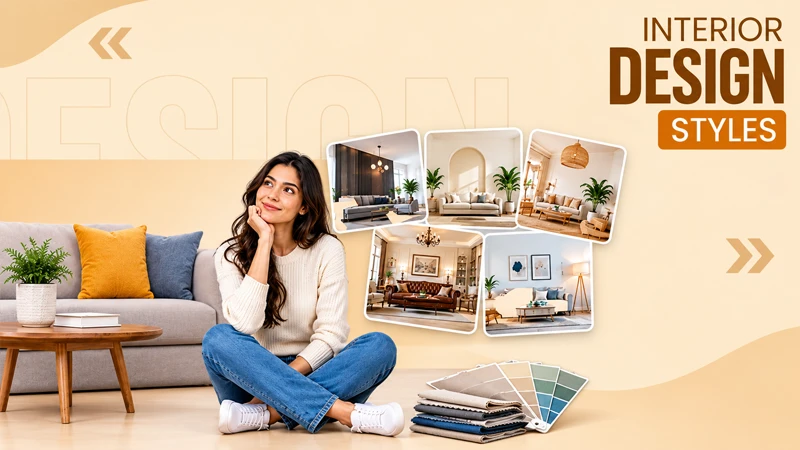
Your house should be in keeping with your own personality rather than having been furnished as if you’d gone on a single confusing shopping trip. By combining different styles of interior design involving furniture, colours, lighting, materials, and accessories, it’s possible to create a space that is attractive and helps to support your daily life.
Whether you prefer simple rooms with straight lines or more extravagant areas filled with character, there are a variety of options when it comes to designing your home. This guide will assist you in looking at different styles of interior decoration, provide information on more than 20 popular styles, including their key features and advice on how to select the right one. You’ll also find room-by-room suggestions, some inexpensive decorating tips, and methods for combining various styles without ending up with a house that looks like a design experiment that backfired.
Quick Answer box: A popular table of the10 types of interior design styles with key traits, colors, and best for.
| Style | Key Features | Colors | Best For |
| Modern | Clean lines, simple furniture | White, black, gray | Sleek, uncluttered homes |
| Contemporary | Current trends, curved forms | Neutrals, earthy tones | Updated interiors |
| Minimalist | Less clutter, purposeful decor | White, beige, gray | Small spaces |
| Scandinavian | Natural materials, cozy textiles | White, cream, pale wood | Bright, comfortable homes |
| Industrial | Exposed brick, metal, raw finishes | Black, gray, brown | Lofts and urban homes |
| Traditional | Classic furniture, symmetry | Cream, burgundy, navy | Timeless interiors |
| Farmhouse | Rustic wood, comfortable furniture | White, beige, green | Relaxed family homes |
| Coastal | Breezy textures, beach-inspired colors | Blue, white, sand | Light, airy rooms |
| Bohemian | Layered patterns, personal objects | Earthy and vibrant colors | Creative p ersonalities |
| Japandi | Japanese simplicity meets Nordic warmth | Beige, brown, charcoal | Calm, balanced interiors |
Table of Contents:
- What Are Interior Design Styles?
- Modern Interior Design Styles
- Traditional and Classic Interior Design Styles
- Warm and Cozy Interior Design Styles
- Bold and Eclectic Interior Design Styles
- Global and Nature-Inspired Styles
- Interior Design Styles Comparison Chart
- Interior Design Styles by Room
- How to Find Your Interior Design Style
- Interior Design Styles by Home Type and Budget
- Interior Design Style Trends in 2026
- Interior Design Glossary
- How to Bring Your Style to Life with Wall Insiders
- Frequently Asked Questions (FAQPage Schema)
- Conclusion
What Are Interior Design Styles?
Interior design styles are distinct methods of arranging and decorating rooms, and they have an effect on the colours, furniture, materials, lighting, textures, and accessories employed in a room.
Certain styles place a strong emphasis on simplicity and functionality, whereas other styles concentrate on comfort, elegance, history, or individual expression. By looking at a variety of house interior styles, you will be able to work out which one you like before you buy furniture or carry out renovations.
Interior Design Style vs. Decorating Style
Interior design includes carrying out layout planning, choosing lighting, selecting materials, arranging storage, and dealing with the functionality of a space, while decorating places a greater emphasis on visual aspects such as the colour of the paint, the furniture, rugs, curtains, and artwork.
For instance, altering the kitchen layout is an interior design job, whereas adding new bar stools and some decorative accessories is usually considered a decorating update. Both of these measures can, in different ways, enhance a room.
Why Knowing Your Style Matters
Once you know your preferred style, you will find it easier to select furniture, match colours, and steer clear of items that look good on their own but do not go together. Moreover, it is helpful in achieving a uniform appearance in various rooms.
It’s not necessary to adhere strictly to a single style; you can opt for different home interior design styles. Your way of life, how much money you have, your storage requirements, and your personal collections should also affect your choices.
Types of Interior Design vs. Home Decor Styles
The distinction between interior design types and home decor styles is often blurred, but they don’t always have the same meaning. While interior design may include technical planning and a focus on functionality, house decorating styles generally refer to the visual appearance of a space.
Take an interior decorating styles list as a source of inspiration rather than treating it as a strict set of rules. The aim should be to design a home that both looks attractive and is suitable for your daily life.
Modern Interior Design Styles
Modern Design Style
Modern design has its origins in the modernist movement and is characterised by clean lines, functional furniture, simple shapes, and minimal ornamentation; neutral colours, glass, metal and natural wood are typical features.
Go for simple furniture and useful storage in order to achieve a neat look. Include some warm textures or a piece of eye-catching artwork so that the room comes across as welcoming rather than too formal.
Contemporary Decor Style
Modern design takes into account the present day’s design preferences and alters itself as trends develop. Interiors featuring curved furniture, sculptural lighting, textured finishes, and a mix of natural and modern materials are associated with contemporary style.
Although modern and contemporary designs may appear similar, modern design stands for a specific movement whereas contemporary design refers to what is currently available
Modern vs. Contemporary (comparison table)
| Feature | Modern Design Style | Contemporary Design Style |
| Meaning | Based on the early-to-mid-20th-century modernist movement | Reflects current design trends |
| Colors | Neutral shades, earthy tones, and warm wood | Neutrals with bold or contrasting accents |
| Furniture | Clean lines, functional shapes, and minimal decoration | Curved forms, sculptural pieces, and mixed shapes |
| Materials | Wood, leather, glass, and steel | Glass, metal, stone, sustainable materials, and mixed textures |
| Decor | Simple, practical, and uncluttered | Flexible, artistic, and trend-aware |
| Overall look | Timeless, structured, and understated | Fresh, evolving, and more experimental |
| Best for | People who prefer classic simplicity and functional spaces | People who enjoy updating their space with current trends |
Minimalist
Minimalism stresses simplicity, functionality and the reduction of unnecessary items. The furniture usually has simple shapes, storage is thought out carefully and the colours used are modest.
This approach is particularly effective in smaller houses since soft lighting, natural textures and a few thoughtful accessories help to avoid the room seeming empty.
Mid-Century Modern
Mid-century modern is inspired by the type of furniture and interior designs that were popular in the middle of the 1900s, and it includes such features as tapered legs, warm wood, geometric patterns and streamlined furniture.
You could go for a walnut sideboard, a chair with a retro style, or a sculptural lamp. Colors such as mustard, olive, teal, and rust can add some color to the room without it becoming too busy.
Scandinavian
Scandinavian design is characterized by functionality, simplicity, the use of natural materials, and comfort; bright and welcoming interiors are achieved through the use of pale wood, neutral colours, cosy textiles, and natural light.
The space appears not only well organised but also cosy because of practical furniture and warm lighting. This style is suitable for you if you prefer clean rooms but still want to keep the room comfortable.
Industrial
Industrial design draws its inspiration from factories, warehouses, and urban lofts; its distinctive look is achieved through the use of exposed brick, metal fixtures, concrete surfaces, reclaimed wood, and sturdy furniture.
You needn’t live in a real warehouse; it’s possible to give an ordinary house an industrial touch through the use of a metal pendant light, a textured wall, or a reclaimed wooden table.
Traditional and Classic Interior Design Styles
Traditional
Traditional interiors include classic furniture, balanced layouts, decorative details, and a variety of rich materials; a timeless atmosphere is achieved through the use of dark wood, patterned rugs, elegant curtains, and warm colours.
This approach is suitable for homeowners who want to stick with traditional details rather than embracing rapidly changing trends; the use of symmetry and a harmonised colour scheme makes the room seem more balanced.
Transitional
Transitional style fuses traditional elegance with modern simplicity by combining classic furniture with contemporary lighting, smooth lines, and neutral colours.
This is a good choice when you like traditional interiors but would prefer a more up-to-date look; it achieves a balance that prevents the room from seeming either too formal or too fashionable.
French Country
French Country style interiors mix rustic materials with elegant details. The combination of worn wood, antique furniture, soft colours, floral fabrics and natural textiles gives a calm and friendly appearance.
Achieve a casual elegance by using a vintage cabinet, linen curtains, or some patterned cushions, rather than creating a room that appears too neatly coordinated.
Art Deco
Art Deco is characterized by geometric patterns, decorative shapes, luxurious finishes, and elegant materials; mirrored surfaces, metallic accents, velvet, and rich colours are typical elements.
A geometric mirror or a statement lamp provides a way of adding a touch of Art Deco without having to carry out a full renovation. Anyone who wishes for their room to make a good impression will find this style to their taste.
Victorian and Georgian
Victorian-style interiors usually include elaborate furniture, bold colours, patterned wallpaper, decorative lighting, and a variety of textiles. It is precisely these features that give the room a striking and historic look.
The modern home can have a touch of the vintage style using vintage furniture, patterned wallpaper, or an ornate mirror without the need to recreate the whole period interior.
Warm and Cozy Interior Design Styles
Cottage Style
The inside of a cottage stresses comfort, has a vintage appeal, uses natural materials and includes personal touches. The use of floral fabrics, painted wood, soft colours and handmade accessories all contribute to achieving a relaxed atmosphere.
The style prefers items that demonstrate character over those that are entirely new. For example, a vintage chair, handmade pottery, or a bookshelf that has been well used can give the room a more personal atmosphere.
Farmhouse and Modern Farmhouse
Traditional farmhouse interiors make use of practical furniture, rustic wood, and some loose decorative details, while modern farmhouse styles achieve a similar effect through the use of simpler lines, modern lighting, and a more refined colour scheme.
Wooden tables, neutral upholstery and black metal details are typical selections. Combine rustic textures with modern finishes to achieve a well-balanced outcome.
Rustic
The interiors have a rustic style and make use of natural materials like wood, stone, leather, and woven fibres. A solid atmosphere is achieved through textured surfaces, earthy colours, and strong furniture.
This style is suitable for country houses, cabins, and rooms that have exposed beams or stone walls; comfort can be achieved without giving up the natural appearance through the use of soft textiles and warm lighting.
Coastal
Coastal style interiors draw on seaside surroundings, using soft blue, white, sandy neutral colours, light wood, linen and woven accessories to produce a pleasant, open atmosphere.
Go for comfortable seating, use natural textures and simple artwork. It’s possible to achieve a coastal atmosphere without having seashells on every shelf.
Bohemian
Bohemian-style interiors show off individuality by using a variety of textiles, plants, artwork, colourful cushions, and assorted objects. The combination of different patterns and materials gives the room a creative and informal look.
Earth-coloured tones can be paired with more vibrant accents, and you can repeat a few colours throughout the room so that the various elements seem to be connected.
Bold and Eclectic Interior Design Styles
What Is Maximalist Interior Design?
If you’re asking what maximalist interior design is, then it’s a style which highlights bold colours, layered patterns, statement furniture, expressive artwork and personal collections.
It’s not just a matter of putting in more items; the use of thoughtful arrangements, repeated colours, and a few more calm surfaces helps to avoid the space feeling overwhelming.
Eclectic
Eclectic interiors involve combining pieces of furniture and accessories from various styles, time periods, and influences; for example, a vintage cabinet can be placed next to a contemporary sofa, and colorful artwork can add another dimension of personality.
The key is to identify common ground by means of colour, shape, texture, or materials; the items can differ yet still not appear to have been picked up at random.
Hollywood Regency and Glam
Hollywood Regency is characterised by dramatic styling, the use of luxurious fabrics, mirrored surfaces, metallic details, and rich colours; glamorous interiors have these polished finishes as well but can vary from subtle to bold.
A luxurious atmosphere can be achieved with the use of a velvet chair, a statement mirror, or a decorative light fixture. It’s not necessary to have a budget as big as a celebrity’s in order for the room to appear special.
Maximalism vs. Minimalism
| Feature | Maximalist Interior Design | Minimalist Interior Design |
| Design approach | Bold, expressive, and layered | Simple, functional, and uncluttered |
| Colors | Bright shades, rich tones, and contrasting colors | Neutral shades like white, beige, grey, and black |
| Furniture | Statement pieces with varied shapes and patterns | Simple furniture with clean lines |
| Decor | Artwork, collections, patterned textiles, and accessories | Only a few carefully selected decorative items |
| Patterns | Multiple prints and textures mixed | Minimal patterns and subtle textures |
| Room feel | Energetic, creative, and full of personality | Calm, open, and organized |
| Best for | People who love creativity and displaying personal collections | People who prefer simplicity and less visual clutter |
Global and Nature-Inspired Styles
Styles that are global in character and drawn from nature incorporate natural materials, cultural influences, and outdoor features into your home; whether it’s the peaceful simplicity of Japandi or interiors of a tropical type filled with greenery, these styles make your space seem linked with nature.
Japandi (Japanese plus Scandinavian)
Japandi blends the simplicity of Japanese design with the comfort associated with Scandinavian style. It includes natural wood, neutral tones, simple lines, cozy textiles, and practical furniture. The outcome is a calm and uncluttered house that seems warm rather than boring.
Ideal for: Those who enjoy simple spaces having a warm and natural feel.
Wabi-Sabi
Wabi-Sabi emphasizes imperfection, the beauty of nature, and the appeal of objects that age well. This includes handmade pottery, walls with a textured surface, wood that has weathered over time, earthy colours, and imperfect finishes. In short, your decorations needn’t appear factory-perfect in order to be beautiful.
Ideal for people who want genuine and loose-style interiors rather than a refined and perfect appearance.
Mediterranean and Spanish Colonial
Mediterranean-style interiors include warm white colours, terracotta tiles, natural stone, wooden beams, and earthy tones, which are inspired by the coastal areas. The Spanish Colonial style incorporates features such as arches, dark wood, ornamental tiles, and wrought-iron details.
Ideal for: Houses that want to have a warm and timeless atmosphere together with a rustic character.
Southwestern and Texas Ranch Style
The Southwestern style draws its inspiration from desert scenery and makes use of terracotta, a sandy beige colour, turquoise accents, woven textiles, and natural wood. The Texas Ranch style usually includes leather furniture, solid wooden items, stone finishes, and bold, rugged features to achieve a practical and country-inspired appearance.
Ideal for: Those who enjoy earthy colours, rustic materials, and a relaxed country style of living.
Tropical
Tropical interior design gives your home the atmosphere of a richly furnished holiday getaway. It incorporates leafy plants, rattan furniture, bamboo, natural textures, and bright greens, usually combining these with white or sandy neutral colours. If you also include a few tropical patterns, then your living room could begin to seem as though it requires a vacation budget.
Ideal for: People who enjoy greenery, have a preference for bright rooms, and want a fresh, resort-style atmosphere.
Interior Design Styles Comparison Chart
| Style | Colors | Materials | Furniture | Mood |
| Modern | White, black, gray | Wood, glass, metal | Streamlined | Polished |
| Contemporary | Neutrals, earthy shades | Mixed materials | Clean-lined and curved | Current |
| Minimalist | White, beige, gray | Wood, stone | Simple and functional | Calm |
| Scandinavian | Cream, pale wood | Wool, linen, wood | Practical | Cozy |
| Industrial | Black, brown, gray | Brick, metal, concrete | Sturdy | Urban |
| Traditional | Navy, cream, burgundy | Dark wood, patterned fabrics | Classic | Refined |
| Cottage | Pastels, soft neutrals | Wood, cotton, linen | Vintage-inspired | Charming |
| Farmhouse | White, beige, green | Wood, metal | Relaxed | Warm |
| Coastal | Blue, white, sand | Rattan, linen, wood | Casual | Airy |
| Bohemian | Earthy and vibrant tones | Textiles, woven fibers | Mixed styles | Creative |
| Maximalist | Bold combinations | Velvet, wood, mixed finishes | Statement pieces | Expressive |
| Japandi | Beige, brown, charcoal | Wood, linen, ceramics | Low-profile | Serene |
Interior Design Styles by Room
Living Room
Living rooms can be made comfortable with contemporary, Scandinavian, transitional, and modern farmhouse styles of interior design. If you want a more expressive appearance, then think about incorporating bohemian, Art Deco, or maximalist features.
Begin by dealing with the sofa, the rug, and the lighting, and then add some artwork and accessories which match the main colour palette.
Kitchen
All modern, industrial, farmhouse and Mediterranean styles can be used in kitchens, with simple cabinets giving a modern appearance, wood details providing a farmhouse feel, and patterned tiles adding a Mediterranean touch.
Before spending money on decorative extras, it is important to focus on storage, durable surfaces, ventilation, and task lighting.
Bedroom
Bedrooms can be made more relaxing using the Japandi, Scandinavian, cottage, and minimalist styles. A good place to start is with soft bedding, natural textures, comfortable furniture, and practical storage.
Instead of following a trend that isn’t in line with your own preferences, select materials and colours that match your routine.
Bathroom
The minimalist, modern, Mediterranean, and Art Deco styles are suitable for use in bathrooms since natural stone and warm finishes can produce a spa-like atmosphere, whereas geometric tiles and metallic details provide character.
You should always choose materials that are resistant to moisture, ensure good ventilation, and select flooring that is slip-resistant.
How to Find Your Interior Design Style
Discover your own style by following these simple steps, and don’t turn your home makeover into a full-time job.
Build a Mood Board
Get images of rooms, furniture, materials, and colours that you find attractive. Seek out features that occur repeatedly, for example warm wood, curved furniture, neutral walls, or bold artwork.
They can assist you in finding out your preferences when you’re buying furniture or carrying out renovations.
Here’s a quick tip: select 10 to 15 images that you particularly like and then determine the colors, materials, and furniture features that they have in common.
Style Quiz (interactive or downloadable)
A short quiz on style can be of help in narrowing down the various kinds of interior design and in working out which styles suit your tastes. Think about your favourite colours, the kind of furniture you prefer, the sort of atmosphere you would like in a room, and how much decoration you enjoy.
Signs You’re Between Two Styles
You might like the idea of having modern furniture while at the same time preferring a rustic kind of decoration, in which case you could combine the two different styles. It is entirely acceptable to mix styles as long as the colours, materials, and textures match one another.
How to Mix Styles Without Clashing
- Select one style to be the dominant style in the room.
- Keep colors the same. Use a matching color palette.
- Choose your furniture with care by combining some modern items with vintage or rustic ones.
- When it comes to decoration, combine different patterns and textures without making the room too crowded.
Interior Design Styles by Home Type and Budget
The interior design style that is best for you will depend on the space you have available, how much money you can spend, and whether you are decorating a house with different decorating styles that already exist or beginning with a blank slate.
Small Homes and Apartments
The minimalist, Scandinavian, and Japandi styles are suitable for small houses since these styles feature functional furniture, light colours, and layouts free from clutter. To make small areas seem bigger, mirrors, vertical storage, and multi-functional furniture should be used.
New Construction and Renovations
With new construction, you have greater flexibility when planning layouts, lighting, storage, and the finishes in relation to your desired interior design styles. When carrying out renovations, you should take into account your present architecture, budget, and structural limitations before selecting the materials and furniture.
Budget-Friendly Styles
The Scandinavian, minimalist, and modern farmhouse styles can be put into practice according to different budgets. Rather than replacing all the items, you can refresh the room using paint, second-hand furniture, cheap textiles, do-it-yourself decorations, and new lighting.
Styles That Hold Resale Value
Modern, transitional, and classic styles are likely to attract a wide variety of buyers. When making major investments, go for finishes that are timeless, layouts that are practical, materials that are durable, and colours that are modest, and then introduce your own personal style using decor that is easy to replace.
Interior Design Style Trends in 2026
In 2026, interior design style trends are shifting towards the use of warmer colours, natural materials, handmade details, and homes that show the owner’s personal taste rather than aiming for showroom perfection.
Rising Styles
Warm minimalism is achieved through the use of soft neutral colours, natural wood, and simple furniture, resulting in a calm and welcoming atmosphere.
Japandi and Organic Modern use natural materials, earthy colors, and clean lines. These features create comfort and simplicity.
Personal collections, the use of a variety of textures, the inclusion of vintage items, and strong accents all contribute to giving a space character.
Sustainable Design: The use of reclaimed wood, vintage furniture, durable materials, and energy-efficient features promotes a more thoughtful way of living.
Fading Styles
All-grey interiors, overly coordinated furniture sets, stark showroom-like spaces, and excessive decorative clutter are losing attention as people favor warmer, more personal homes as styles for decorating homes.
Hint: There’s no need to get rid of your current decoration; instead, you can simply update some of the colours, the textiles, or the accessories rather than trying to keep up with every new trend.
Timeless Styles
Traditional, transitional, Scandinavian, and restrained modern styles are able to provide flexible bases since they stress proportion, functionality, and the use of durable materials.
Make your permanent choices flexible and try out different trends using paint, rugs, lighting, and accessories.
Hint: When making changes, choose items that are easy to replace such as cushions, lamps, and pictures. For more expensive items like flooring, cabinetry, and countertops, go for things that are practical and have a long lifespan.
Interior Design Glossary
The following are 20 common terms in interior design to help you get a better understanding of various home decoration styles and design ideas.
- An accent wall is one that stands out due to its colour, wallpaper, or texture.
- The focal point is the feature that draws the eye in a room.
- A colour palette is a set of colours used throughout an area.
- Texture refers to the way a material feels when seen or touched.
- Symmetry refers to the arrangement of elements in an even fashion on both sides of a central point.
- Negative space refers to the empty area which contributes to a room seeming balanced and not overcrowded.
- An open plan is a layout which incorporates areas such as the kitchen, dining room, and living room.
- A statement piece is a piece of furniture or a decorative feature that stands out.
- Layering involves combining fabrics, lighting, textures, and accessories in order to create depth.
- Contrast refers to the use of different colours, shapes, or materials to achieve visual interest.
- Scale refers to the size of an item in comparison with the room or other objects.
- Proportion refers to the way in which different elements relate to one another in terms of size.
- Ambient lighting is general lighting that illuminates the room.
- Lighting that is designed for particular activities, for example reading or cooking.
- Examples of natural materials include wood, stone, cotton, and bamboo.
- Storage that is built directly into a wall or an architectural structure.
- Ergonomics involves designing both spaces and furniture with a focus on comfort and ease of use.
- Biophilic Design involves linking indoor areas with nature by means of plants, natural light, and natural materials.
- Sustainable design involves using resources and materials in a thoughtful manner so as to minimise its environmental impact.
- Visual balance is achieved by arranging the various elements in a room so that it appears harmonious rather than unbalanced.
How to Bring Your Style to Life with Wall Insiders
Want to turn the interior design styles you love into a home that you really enjoy? Wall Insiders will be able to assist you in planning your space and looking at design and renovation options that match your needs, style, and budget.
No matter whether you favour modern interiors, cozy farmhouse touches, or bold contemporary areas, now is the time to move on and create a home that has a personal and unique character to it.
Take a look at the Wall Insiders portfolio to view their completed projects, find out about the services they offer throughout Texas, and ask for a quote to talk about your project.
Ready to transform your space? Just request a quote.
Frequently Asked Questions (FAQPage Schema)
What are the main interior design styles?
What is the most popular interior design style?
Modern, contemporary, Scandinavian, and transitional styles are all widely regarded as acceptable choices; the most suitable one is determined by your own taste, your way of life, and your budget.
What is maximalist interior design?
Maximalist interior design features bold colours, layered patterns, statement furniture, and personal collections; it results in spaces that are expressive, since the greater the amount of decoration, the more personality there is.
What is the difference between modern and contemporary?
Modern design arises from a particular design movement of the 20th century, and contemporary design mirrors the trends of the present day while still developing over time.
What is Japandi style?
Japandi blends the simplicity of Japanese design with the comfort associated with Scandinavian style. It makes use of natural wood, neutral colours, functional furniture, and open, uncluttered areas.
What is cottage style?
The cottage style produces a warm and relaxed atmosphere through the use of vintage furniture, floral patterns, soft colours, natural materials, and attractive decorative details.
How do I find my interior decorating style?
Make a mood board by selecting rooms and decorations that you admire. Identify the colours, materials, and furniture styles that occur repeatedly in order to find out which ones match your taste and way of life.
Can I mix different interior design styles?
Right! Mix different styles by using the same colour scheme, matching materials, and well-balanced furniture selections. Having one style take precedence makes the room seem more cohesive.
What interior design style is best for a small home?
The minimalist, Scandinavian, and Japandi styles are suitable for small homes since their simple furniture, light colours, and practical arrangements make the spaces seem more open.
What is the difference between interior design and decorating styles?
When designing an interior, consideration is given to the layout, lighting, functionality, the materials used, and the general arrangement of the space; whereas when it comes to setting interior decoration styles, greater emphasis is placed on furniture, colours, textiles, and accessories that give the room its appearance.
Conclusion
Looking at different interior design styles based on various themes—such as modern and minimalist ones as well as cottage, Japandi, and maximalist styles—can assist you in finding the type of look that is appropriate for your home.
Begin by considering your way of life, your preferred colours, the amount of space you have available, and your budget. You might choose a single style or mix different home decor styles to make the room both personal and practical.
Want to turn your ideas into reality? Take a look at Wall Insiders’ design and renovation services, go through their portfolio, and ask for a quote so that you can begin planning your dream space.
Related Post
Kitchen Remodel Cost in 2026: Full Cost Breakdown and Tips to Do a Kitchen…
Kitchen remodeling is one of the most crucial parts of a home renovation project. On average, remodeling costs range from…
How to Set Up a Home Office in Easy Steps for Hybrid Office Workers
Are you working in hybrid mode and finding it difficult to get a dedicated space for working from home? A…
Interior Design Styles Explained: 20+ Types, Features and How to Choose Yours (2026)
Your house should be in keeping with your own personality rather than having been furnished as if you’d gone on…
Home Theater Design: Ideas, Layout, Dimensions and Setup Guide (2026)
Creating a home theatre is about so much more than just buying a big TV and some comfortable seating. It’s…
What Is Architecture? Definition, Types, Design Process, and Careers
Imagine walking into a building where the light is playing across the walls, the staircases are literally floating (in the…
How to Choose a Paint Color for Your House Walls: A Complete Guide with…
Neutral or Warm: Which paint color to choose? Many homeowners have this thought while choosing a shade of paint for…