
A home inspector’s role is to assess the condition of the house based on what they can see and access. They can’t predict future repairs and usually don’t guarantee anything.
The key areas that should be included on a home inspection checklist for buyers are the foundation and structure, roof, plumbing, electrical, HVAC, windows, insulation, attic, basement, and moisture or pest issues. If a thorough inspection report indicates that there are issues, the buyer will have a strong negotiation argument for repairs, price reduction, or a walk-away.
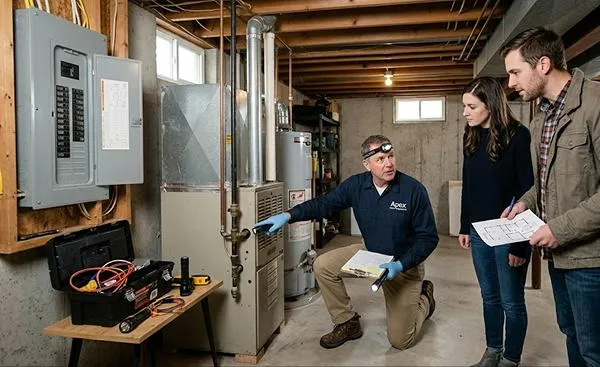
A home inspection is the crucial step that first-time buyers should never overlook. It not only provides details about the condition of the property but also helps predict future costly issues.
The home-buying process is undoubtedly complex, including touring different homes, evaluating offers, and sorting the paperwork. In this, a home inspection might seem like a small thing. But it’s actually an important move that leads to a confident purchase.
Before you order the home inspection, explore this article to know the home inspection checklist for buyers, questions to ask the inspector, and what the red flags are during the process.
Table of Contents:
What is a Buyer Home Inspection?
Home inspection is the non-invasive visual examination of a property’s structure and major systems. It does not include punching holes in the walls to check the electrical and plumbing. But the inspector checks the quality and safety of all the mechanical systems. This is usually done before the real estate deal is finalised.
The inspector will identify the potential issues and provide the report outlining them. You can use that report to make informed decisions on whether you want to buy the property or not. On the basis of the report, you may also negotiate the repairs with the seller, adjust the prices, or even back out if there are major issues.
Home Inspection Checklist for Buyers
What to look for in a home inspection? The home inspectors follow the detailed checklist to evaluate your home’s condition. But having prior knowledge will help you follow along and ensure that all areas have been properly assessed, including structural components, roof, plumbing, and HVAC system.
Let’s see the detailed home buyer inspection checklist:
1. Structural Components Inspection Checklist
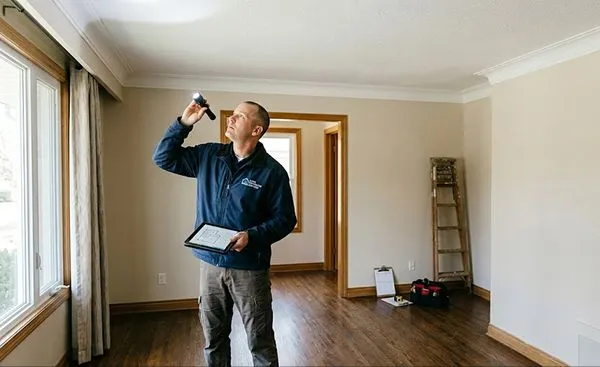
The structural components are the foundation of any home and make it stand over time. The repairs in these elements are often costlier, so inspectors generally pay close attention to the walls, ceiling, and water damage.
- Foundation elements like stair-step cracks, moisture intrusion, efflorescence (white powder residue left by water), horizontal bowing, and slab unevenness.
- Framing and load-bearing elements support the weight of the home. Inspectors check for damaged and rotting wood and termite and pest activity. Also, improper alterations and inadequate support.
- Floors, walls, and ceilings reveal the early signs of structural issues. Evaluation includes uneven floors, cracks near doors and windows, and stains on ceilings that indicate leaks.
2. Roof Inspection Checklist
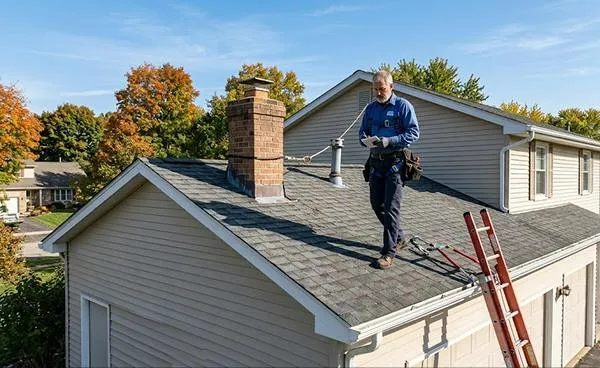
Roof evaluation is a critical part of a home buying inspection because it protects the structure from different weather conditions. The replacement of a roof can cost thousands of dollars, so inspectors pay special attention to the damage and aging.
- Roofing material examination, generally looking for missing or curling shingles, soft spots indicating rot, and protective granule loss.
- Assessing the roof’s age and material such as asphalt, metal, and tile.
- Ensuring proper drainage by checking the sloping of gutters, attachments are secure, and there are no clogs.
3. Plumbing System Inspection Checklist
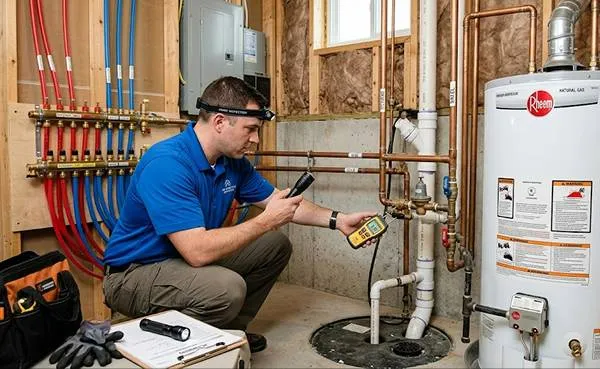
Addressing the plumbing issues is important in a home purchase inspection. They lead to leaks, water damage, and eventual costly repairs. Inspectors evaluate this to understand how the water moves through the house.
- Water supply lines, such as older pipes that could corrode and polybutylene pipes that can be brittle and leak-prone. Further, the leaks under the sink and water pressure consistency.
- Drain, waste, and vent (DWV) system, such as slow-draining sinks, sewer odours, and evidence of prior repairs.
- Water heater’s age, rust around the tank, and leaks around the pipes or connections. Inspectors should also check the sediment buildup that could decrease efficiency.
4. Electrical System Inspection Checklist
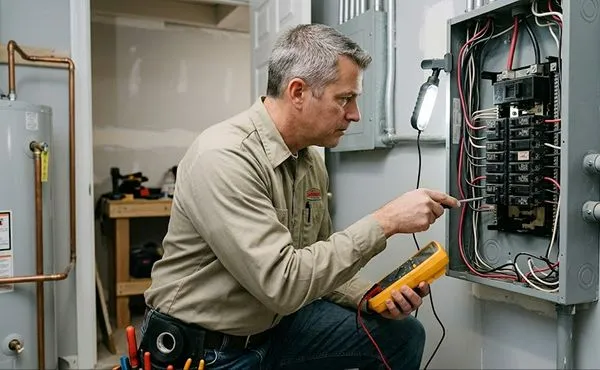
Electrical defects create dangerous fire hazards. That’s why this system is important in every buyer’s home inspection checklist. Inspectors focus on how the power is delivered to the house and if it meets modern safety standards.
- The service panel is the center of the home electrical system; inspectors look for proper labeling on the circuits, double-tapped breakers, and amperage rating.
- Wiring and outlets, such as flickering lights, GFCI outlets in bathrooms, kitchens, and garages to protect against shock, and AFCI protection to prevent fire risk.
- Exterior electrical systems should have weatherproof covers, proper grounding to prevent electric shock, and a secure meter base.
5. HVAC System Inspection Checklist
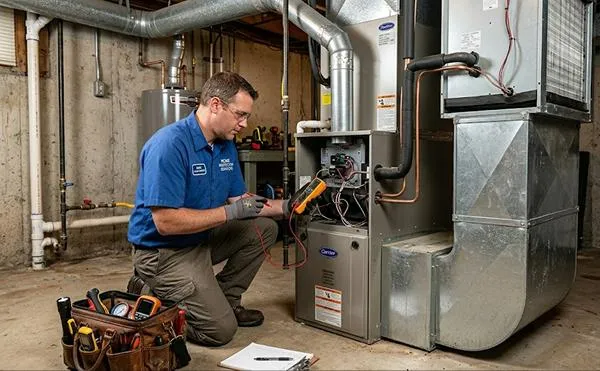
Heating, ventilation, and air conditioning (HVAC) is the integrated system that regulates temperature, controls humidity, and improves indoor air quality. Inspectors generally check that these systems are safe, functional, and not near the end of their lifespan.
- Heating system, including the furnace age, cracks in the heat exchanger, and pilot light colour. Also, the risks of carbon monoxide and air filter conditions.
- Air conditioning is also inspected for outdoor condenser coil condition, signs of refrigerant leaks, and airflow consistency.
- Ductwork leaks, insulation gaps, blockages, and mold growth that could indicate moisture issues.
6. Interior Inspection Checklist
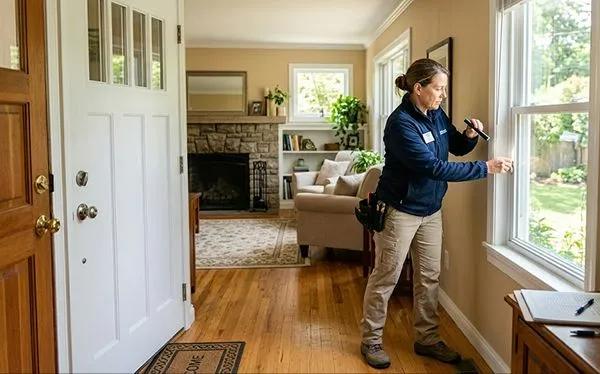
Checking the interior in a home buyer inspection encompasses evaluating the doors and windows, kitchen and its appliances, and bathrooms. Inspectors watch out for wear and moisture issues that can lead to costly repairs in the future.
- Doors and windows should not have broken seals, drafts that cause poor insulation, or rotting and damaged frames.
- Kitchen and appliances, including the dishwasher drainage, refrigerator cooling performance, and oven functionality.
- Bathroom cracked or loose tiles, caulking integrity around tubs, showers, and sinks, proper exhaust fan ventilation, and water pressure.
7. Exterior Inspection Checklist
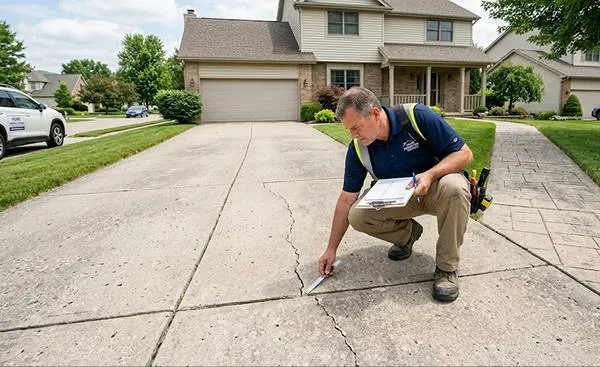
The exterior property inspection checklist is the first line of defense against water intrusion, pests, and long-term structural damage. Inspectors ensure that the house is protected against these damaging elements.
- Siding cracks that lead water in, rotting wood, missing or loose panels, and moisture damage.
- Landscaping and grading components like improper grading, standing water near the home, and tree root intrusion that can damage sidewalks, fountains, and underground pipes.
- Driveways and walkways cracks, trip hazards from uneven surfaces, and water pooling that can cause ice hazards in colder regions.
8. Insulation and Ventilation Checklist
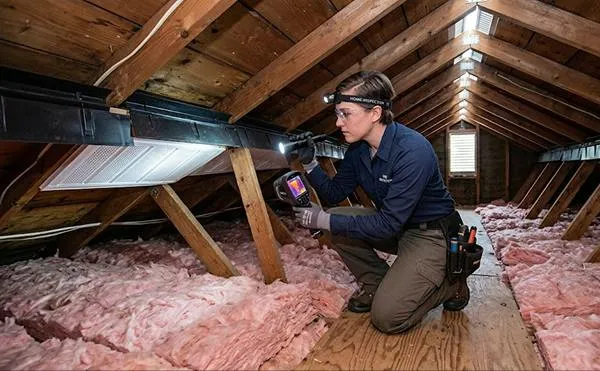
Proper insulation and ventilation are important factors in any home. They keep the home comfortable, prevent moisture issues, and lead to energy efficiency. Inspectors check if the house is sealed well and meets the energy efficiency standards.
- Attic insulation thickness to determine the R-value according to your region.
- Vents like bathroom vent, soffit vent, and ridge vent, ensuring they are not blocked.
- Crawl space vapor barriers to prevent wood rot and mold.
9. Pest and Environmental Inspection Checklist
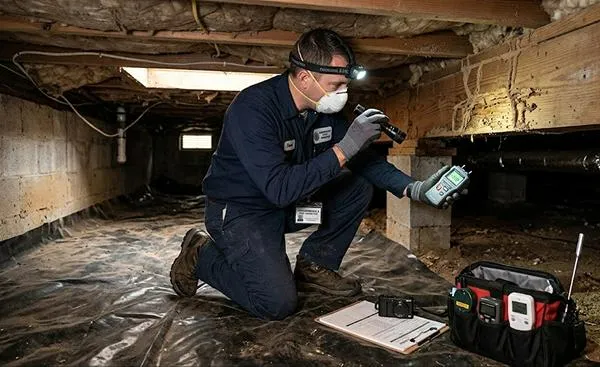
Pests and environmental damage can cause structural damage to the property. Inspectors check the entry points and moisture levels to address the issue. These can lead to costly repairs; therefore, looking for the early warning signs in the home buying inspection checklist is crucial.
- Termites and wood-destroying organisms by assessing the mud tubes, hollow wood sounds, and frass (sawdust-like material) caused by certain pests.
- Mold and moisture by musty doors, visible mold spots, and high humidity, especially in bathrooms, basements, and crawl spaces.
- Radon is a naturally occurring gas that enters homes through the foundation. Testing is the only way to detect it, as it is odourless and invisible. It is specifically recommended in areas where the levels are higher.
Quick 5 Questions to Ask Your Home Inspector
- Do you see any signs of water damage, mold, or poor exterior drainage?
- Can you show me where the water shutoff and electrical breaker panel are?
- Is this a major problem or a small maintenance issue?
- Can you help with this part of the report? I’m not sure I understand it.
- What are the most pressing issues you see?
Approximate Cost of Home Inspection for Buyers in the USA
The average cost of a home inspection in the USA ranges from $300 to $500. Prices vary based on the location, size of the home, and types of houses. For instance, the standard inspection costs for a single family home sit around $343. For a duplex, it may go higher to $500 to $900, as it has two separate units.
Let’s see the cost breakdown as per the location and size of the home:
As per the Location
| Location | Approximate Costs |
| Atlanta | $320 |
| Chicago | $320 |
| Houston | $350 |
| Los Angeles | $330 |
| Miami | $300 |
| New York | $450 |
| Philadelphia | $450 |
As per the Size of the House
| Square Feet | Approximate Costs |
| Less than 1,000 sq. ft. | $200–$250 |
| 1,000–1,500 sq. ft. | $225–$325 |
| 1,500–2,000 sq. ft. | $250–$375 |
| 2,000–2,500 sq. ft. | $275–$400 |
| 2,500–3,000 sq. ft. | $300–$500 |
How to Find a Licensed Home Inspector?
As you have understood what to look for when inspecting a house, the next step is hiring a licensed inspector. A great inspector does not only check boxes but helps assess the true condition of the home. To find the right inspector, check reviews, verify insurance, and look for certifications.
- Check the reviews: Reach out to family and friends and ask about the inspector they know. Visit online forums and check the reviews about the inspector. Look for someone who communicates well and achieves the tasks on time.
- Look for certifications: There are professional associations like the American Society of Home Inspectors (ASHI) or the International Association of Certified Home Inspectors (InterNACHI) that certify the trainers on specific standards. Some state organisations also help to find certified professionals.
- Verify insurance: The right inspector should carry professional liability insurance, errors and omissions (E&O), or general liability insurance in case of accidental damage. It will protect you if they make any mistake.
- Align with your goals: Look for the inspector who has experience in the type of home you are buying. Also ask about the inspection process and additional services (for instance, sewer scope inspection and thermal imaging) to align it with your needs.
What are the Red Flags in Home Inspection?
While getting a home inspection, there are some critical red flags like foundational, water-related, and safety issues. These should raise concern as they affect the structural integrity of the home and require costly repair.
Here are the three major red flags to watch out for:
- Major foundation issues: Foundation elements are highly costly to repair. The large cracks and sloping floors indicate structural instability of the house. These damages often require a structural engineer for further inspection and a solution.
- Faulty plumbing and electrical system: The next red flag is the faulty plumbing and electrical system in the house. The plumbing issues lead to water damage and mold, and the electrical issues can cause serious fire risk.
- Water damage and mold: The musty smell, dark stains, and mold indicate a leak in the property. Many buyers think that mold is just a maintenance issue, but in reality it may lead to health issues and is a sign of ongoing moisture issues.
Wrapping Up
Home inspection is a critical aspect of how to buy a house. It will help you prevent the unpleasant surprises after moving in, such as water leaks, faulty wiring, and pests. A home inspection checklist for buyers should include the exterior, interior, and roof evaluation to assess the future budget.
However, don’t get concerned about seeing the lengthy home inspection report; it’s a reflection of the inspector’s work. Ask the inspector to explain it and point out the major concerns so that you can make informed decisions.
FAQs
What can home inspectors guarantee?
What happens after the inspection?
Once you get the report, review it thoroughly and see the major issues. Next, talk to the real estate agent, requesting the repairs, negotiating prices, or cancelling the deal if the issues are serious.
What inspections are needed when buying a house?
Before buying the house, you need a general home inspection that is focused on checking the electrical, plumbing, and HVAC system. Also, inspect the pests, roof, and foundation.
What is the cost of inspection for house?
The approximate cost of a home inspection ranges from $300 to $500. It can vary depending on the home’s size, age, and location.
How long does a home inspection take?
The process takes about 2-4 hours, depending on the size of the home. It usually takes around 2 days to receive the report.
Sources:
Related Post

Latest Home Decor Trends to Follow in 2026 for a Stylish Home
The way you design your home reflects your entire personality; hence, it is necessary for your interior to speak your…

Exterior Painting Cost in 2026: A Guide to Getting the Best Painting Prices
Planning to give your home a fresh look with a coat of paint? Not only color, but painting a house…

How Much Does it Cost to Remodel a Bathroom? Average Estimate, Cost Breakdown, and…
Bathroom remodeling can give your home a fresh look and improve its resale value concurrently. However, the entire process needs…

What Is Bohemian Interior Design? Origin, Key Aspects, and Adapting Methods
Minimal design has always been a very integral part of modern homes, and most people crave surroundings that have earthy…

Cost to Build a Duplex in Houston: A Complete 2026 Guide
Building a house in Houston can be a lucrative option for homeowners and real estate investors. The total cost to…

Foundation Inspection Cost in 2026 with Key Components, Major Factors, Handy Tips & More!
The foundation of a building or house is the most crucial part on which the entire structural integrity depends. Without…