
To prepare the room, move the furniture to the center of it and cover it with a plastic sheet. Also, cover the floor and remove the wall decor and outlet covers.

When painting a room, determine the amount of paint required, remove furnishings from the room, and repair and clean the walls, then tape and prime the edges. Confine to corners and carefully cut with a brush, then evenly roll main surfaces with even passes, allowing each one to dry thoroughly before applying the next.
For homeowners, painting a room offers an instant sense of gratification. From gathering all the supplies to the colour of the first coat, there is a feeling of accomplishment. The key to doing it efficiently is determined by the right preparation and techniques.
If you are one of the DIYers who want to learn how to paint a room like a professional painter, follow along to learn the detailed painting steps, room prep, and other essential painting tips.
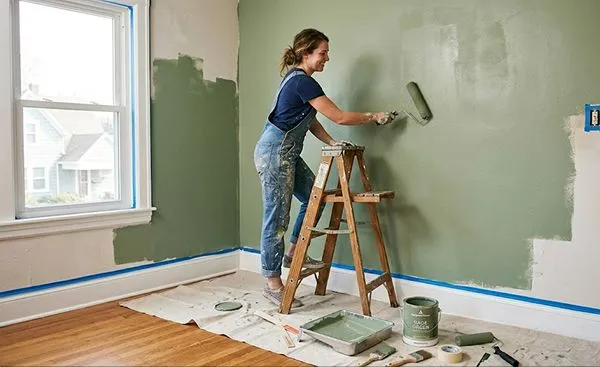
Table of Contents:
How to Paint a Room? 8 Detailed Steps
To paint a room like a pro in your home renovation, you have to follow 8 steps that involve making a plan, preparing the space, applying primer and paint on walls, and cleaning the space.
Here are the steps to painting a room:
1. Make a Plan

Whenever you decide to paint your living room, bathroom, or bedroom, the first step is to make a thoughtful plan. The plan should encompass the budget, timeline, and prior work on surface conditions. It will ensure that the process goes smoothly and provide lasting results.
- Understanding the Scope: First, consider whether you want to paint a single room or many. Always remember that room painting does not only mean painting walls; it also includes ceilings, baseboards, and trim.
Check surface conditions, repairs needed, and whether the old paint needs to be removed. Also, estimate how much paint you may need in the whole process.
- Setting Budget and Timeline: Set a budget according to the materials you will need. Also envision a realistic timeline to complete the DIY painting. Ensure that you give yourself enough time, including prepping the surface, drying different coats, and cleaning up after the process.
2. Choose the Primer, Colour and Finish
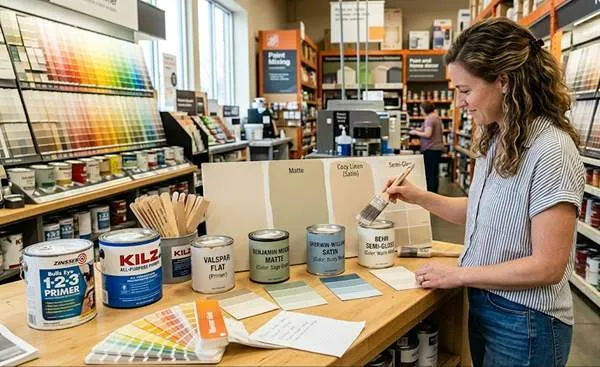
The next step is choosing the right primer, colour and finish for painting the room. These are the vital components whether you want to design a kitchen or enhance the bedroom look.
- Select the Primer: Before adding a splash of colour to the walls, you need to prime them. Primer helps in covering the stains and dark colours on the walls. It also ensures that the new paint sticks to the surface properly.
The type of primer you may need depends on the surface you want to paint. The drywall needs a different primer than that required for wood or a glossy surface.
- Choose the Colour: Colour matters in interior house painting, as it directly influences mood and psychology. Choose the colours that complement your furniture and decor style.
Let’s see preferred colours according to each room:
| Room Type | Paint Colours |
| Bedroom | Calming colours such as muted purple, greens and soft blues. These hues create a relaxing atmosphere and promote sound sleep. |
| Living Room | Warm and inviting colours like warm beige, warm grey, and soft terracotta. Accent walls could be painted with burnt orange or deep red to add vibrancy. This makes the space cozy and welcoming. |
| Kitchen | Energetic colours such as yellow, red, and vibrant orange to improve appetite. These colours can also be incorporated in kitchen accessories. |
| Study Room | Shades of soft blue and green that increase productivity and concentration. For home offices, neutral tones like beige and grey provide an uncluttered backdrop for work. |
| Dining Room | Rich colours like forest green, burgundy, and dark blue for an inviting atmosphere. |
- Select the Paint Finish: If the walls have imperfections, consider which finish will work for them. The common types of finishes for interior wall painting are matte, eggshell, and satin. Choose the right finish as per surface, traffic, and maintenance.
3. Gather the Paint and Materials
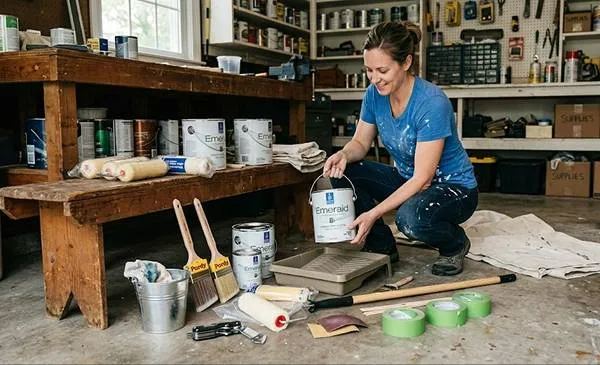
Now that you have planned and selected everything for painting interior room. It’s time to head to the shop to buy the needed materials. Buy enough paint for two coats and a bit extra for touch-up.
The amount of paint you would need depends on its quality and the colour change intensity. Also consider other things like a ladder (for painting the higher parts of the space), painter’s tape, roller, drop clothes, and brushes.
4. Prep Your Space
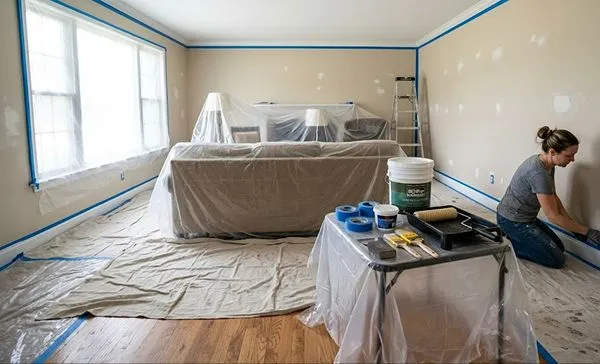
The next step in how to paint a room is preparation of the space and walls. It simplifies the process and helps protect surfaces from accidental spills.
- Clear the Area: Push the large furniture into the center of the room and cover it with plastic sheets. Also cover the floor and put painter’s tape along the edges of the trim, windows, and doors to keep the paint off them.
Take down everything from the walls, like artwork, electrical outlets, and curtains. If the object can’t be removed, cover it with the plastic sheet.
- Clean the Walls: Clean the surface of the walls with damp rags or a sponge and soapy water. Rinse properly and allow it to dry to remove all the impurities. If there are any imperfections in the walls like cracks and holes, repair them with a spackling compound. Sand down the repaired areas with a sanding sponge or 220-grit sandpaper for a smoother finish.
Note: Paint contains dangerous chemicals, which makes ventilation essential while painting indoors. Open windows and use two fans to circulate the air. It’s also important to wear gloves, goggles, and a mask to prevent breathing fumes and absorbing chemicals through the skin.
5. Mix the Paint
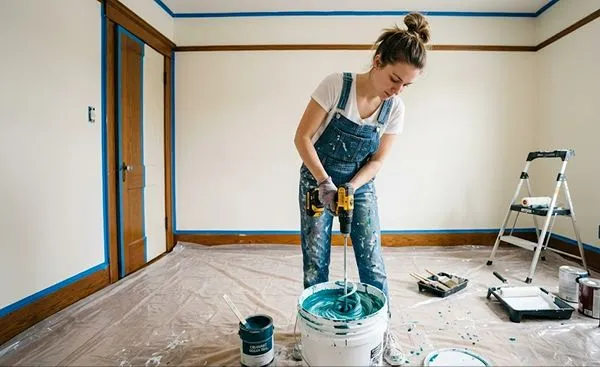
You should always mix the paint well before painting the wall, as it ensures uniform colour and smooth texture. The paint is stored in garages for a long period of time. Due to this, the pigment and other components in it settle over time. To stir the paint, use a clean wooden stick or a professional shaker.
6. Prime the Walls
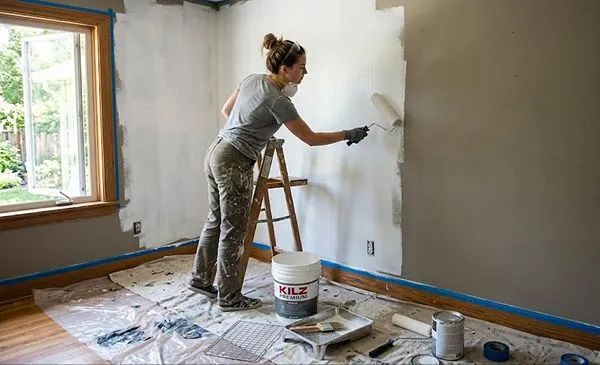
In the quest for how to paint walls, the next step is coat primer on the walls. Using an angled brush, outline the ceilings, walls, and windows with a 2-3 inch strip of primer. Now, use a roller brush to paint the primer on the rest of the wall surfaces.
With a roller, paint in 3-foot by 3-foot sections in V- or W-shaped strokes until you prime the whole area. Usually, only one layer of primer is required, but if you want to add another layer, make sure the first layer is completely dry.
7. Paint the Walls
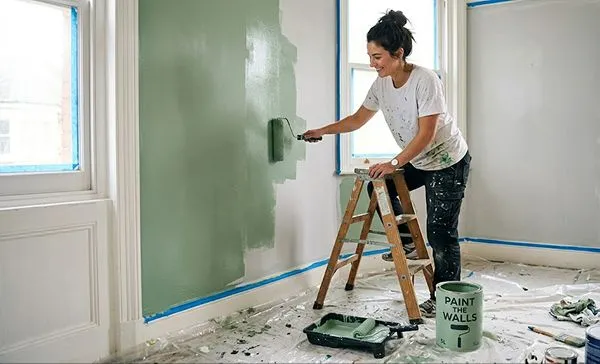
How to paint a wall? It usually requires two coats to paint the wall. First, cut the edges of the wall with paint, and then switch to a roller to roll the paint in the rest of the area. Be patient between coats of paint and let the first layer dry well for best results.
- First Coat: As you painted the primer, use the 2-inch brush to cut in again. This time, also include the ceiling line, corners, around the outlet cover, and around the trim. After this, use a roller and follow W or M strokes to fill the gaps.
Let the first coat dry out completely for about 2 hours. The temperature and humidity level in your area affect the drying time of the paint.
- Second Coat: The second coat of paint is important to attain the clean and rich look. Don’t be impatient between coats and give enough time to let the first layer dry well. Otherwise, it will lead to issues like uneven coverage and peeling.
Keep a damp cloth handy during painting room. So, you can easily wipe off the spills and drips before it dries out.
8. Clean and Reset the Space
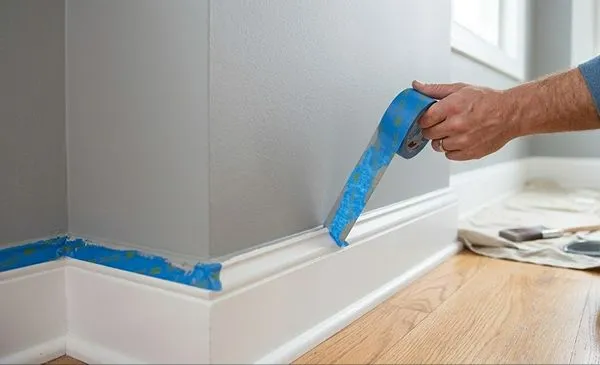
Remove the painter’s tape while ensuring you don’t peel the paint. Wash the rollers and paint brushes with warm soapy water. Roll up the plastic sheet coverings once the paint is dry. If there is any leftover paint, seal it and keep it for future touch-ups. If there are cans with dried paint residue, toss them with the rest of the ordinary trash. To dispose of the leftover paint, take it to the paint store.
Note: Avoid draining leftover paint into the drain or sewer because it clogs pipes and pollutes natural waterways.
Also Read: 10 Best Exterior Paint in 2026: Top Brands, Buying Guides & Practical Tips for Long-Term Durability
Checklist of Tools Needed for Painting a Room
As you have now understood how to paint a room, I am mentioning below the checklist of all the essential tools for an easy process. The materials include paint, primer, brushes, and a roller. Make sure to invest in the high quality material as cheap ones may negatively affect the result.
Take a look below so that you don’t miss out on any tools:
Supply Checklist
- Paint
- Primer
- Paint tray and liners
- Stir sticks or professional shaker
- Brushes
- Roller frames and covers
- Damp rags
- Drop clothes and plastic sheets
- Sandpaper or sanding blocks
- Extension pole (optional)
- Ladder (optional)
- Painter’s tape
- Goggles, particulate mask, and gloves
- Bucket
- Cleaning material
Next Read: Renovation Vs Remodel: Difference, Cost Breakdown, Permit Requirements, and More
Approximate Cost of Painting a Room
The cost of painting interior walls depends on the size of the room. Also, if you only have to buy the painting supplies, the cost would be much less. The painting equipment will add about $350 to the cost of the project.
Let’s see the detailed cost breakdown of equipment and materials for painting walls:
Cost As Per the Room Size
| Room Size | Approx. Cost (without equipment) | Approx. Cost (with equipment) |
| Small room (240 square feet) | $235 | $585 |
| Medium room (480 square feet) | $390 | $740 |
| Large room (880 square feet) | $610 | $960 |
Prices of Painting Equipment
| Equipment | Approx. Price |
| Canvas drop cloth, 9-foot by 12-foot | $140 |
| Extension pole | $20 |
| Ladder | $100 |
| Paint brushes set | $25 |
| Paint roller handle | $12 |
| Paint tray | $10 |
| Putty knife | $10 |
| Rags or towels | $10 |
| Sanding blocks, pack | $12 |
Paint and Primer Cost
| Material | Approx. Price |
| Paint | $15 to $20 per gallon for economy paints and $65 to $80 for premium paints. |
| Primer | $15 to $20 per gallon for drywall primer, $25 to $45 per gallon for multi-surface primer, and $45 to $95 per gallon for specialty primer. |
Also Explore: What Do Interior Designers Do? Key Roles, Types, and How to Become an Interior Designer
Essential Room Painting Tips
There are some extra tips that you can follow in your DIY wall painting. For instance, dispose of the roller after use and remove the dried-out paint with the brush comb.
- Store the paintbrush and roller in a plastic bag between uses. In this way, they will stay usable for 2-3 days.
- Dispose of the roller after use. It takes a lot of water to wash it, and still it does not look completely clean.
- Wash the brushes well and use a brush comb to remove dried-out paint.
- If you have more than 1 gallon of paint, mix it in the 5-gallon bucket. Each paint could be slightly different in colour. Mixing ensures that the colour looks the same when you apply the second coat.
Final Thoughts
Interior painting is a lot of work, but it’s always worth it. Learning how to paint a room is the best thing that every DIYer should learn. It is a fun and affordable part of home renovation.
With the easy steps, you can do the room makeover. Whenever there are new colours on the wall, it makes the space fresh, cozy, and calm based on the chosen hues.
FAQs
How do I prepare a room for painting walls for beginners?
How long does it take to paint a room?
Painting a room usually takes about 2-3 days, depending on the size of the room.
How to paint a bedroom?
For painting the bedroom, prepare the room, cut the edges with a brush, and roll paint onto the walls. After that, put on a second coat for a rich finish and peel off the painter’s tape.
How many coats of paint do you put on a wall?
Most walls need one coat of primer and two coats of paint for a smooth and rich finish.
How to repaint a wall?
To repaint a wall, first prepare the space and apply primer if you are covering dark colours or glossy spots. With a brush, paint the ceilings, baseboards and corners. Use a roller to paint the main wall. Apply a second coat for a clean look.
Sources:
- Learn How To Paint With A Roller In 9 Easy Steps – Forbes
- 5 Expert Tips For Painting a Room – Yahoo
- Interior design – Wall Materials, Textures, & Colors – Encyclopedia Britannica
Related Post

Latest Home Decor Trends to Follow in 2026 for a Stylish Home
The way you design your home reflects your entire personality; hence, it is necessary for your interior to speak your…

Exterior Painting Cost in 2026: A Guide to Getting the Best Painting Prices
Planning to give your home a fresh look with a coat of paint? Not only color, but painting a house…

How Much Does it Cost to Remodel a Bathroom? Average Estimate, Cost Breakdown, and…
Bathroom remodeling can give your home a fresh look and improve its resale value concurrently. However, the entire process needs…

What Is Bohemian Interior Design? Origin, Key Aspects, and Adapting Methods
Minimal design has always been a very integral part of modern homes, and most people crave surroundings that have earthy…

Cost to Build a Duplex in Houston: A Complete 2026 Guide
Building a house in Houston can be a lucrative option for homeowners and real estate investors. The total cost to…

Foundation Inspection Cost in 2026 with Key Components, Major Factors, Handy Tips & More!
The foundation of a building or house is the most crucial part on which the entire structural integrity depends. Without…