
Common methods used for wallpaper removal are dry stripping methods, using a fabric softening solution, and using a water steamer.
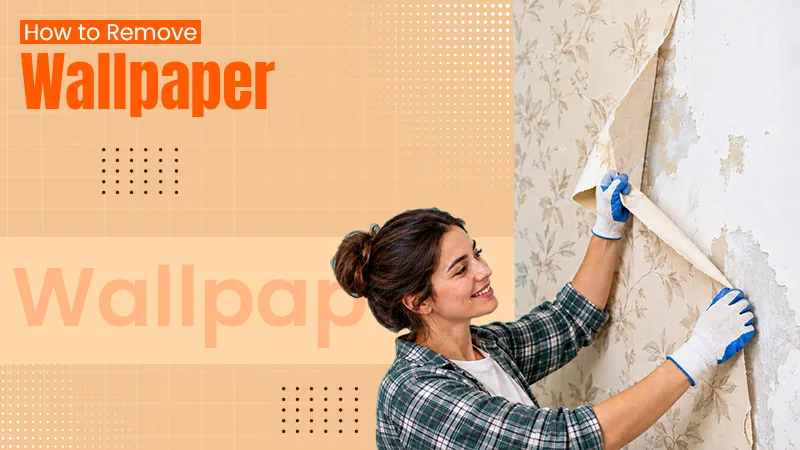
While planning for a home renovation, people generally get confused about how to remove wallpaper that is already stuck on the wall. Wallpaper removal might seem like a frustrating task to do for some homeowners, but with the right tools like a wallpaper scraper, wallpaper steamer, scoring tools, and techniques like the dry stripping method, softener solution method, and water steamer method, you can also remove the wallpaper from your house walls easily.
In this detailed article, you will learn the three efficient methods to remove wallpaper without damaging the walls. Also, you will know the mistakes to avoid while removing the wallpaper.
Table of Contents:
- Why Is Wallpaper Removal a Challenging Task?
- Common Types of Wallpaper
- Essential Tools to Remove Wallpaper
- How to Remove Wallpaper Using the Dry Stripping Method?
- Wallpaper Removal Using the Fabric Softener Solution
- How to Remove Wallpaper Using a Water Steamer?
- Common Mistakes to Avoid While Removing Wallpaper
- How to Clean the Wall After Removing the Wallpaper?
- Conclusion
- Frequently Asked Questions
Why Is Wallpaper Removal a Challenging Task?
Wallpaper removal is not at all an easy task for a non-professional. While it might seem easy at first, it is actually a very time-consuming task and needs to be done with utmost precision. If the adhesive or glue between the wallpaper and the wall is strong and old, then it becomes challenging to pull apart the wallpaper without damaging the wall.
Multi-layered wallpapers block softener agents from being soaked into the wallpaper, which creates difficulty in peeling the wallpaper. The whole removal process makes the surrounding area messy, and residue is left on the accent walls, like sticky glue or tiny wallpaper pieces trapped inside the gluey surface, which are difficult to clean.
Common Types of Wallpaper
Common types of wallpaper used on walls are peel and stick wallpaper, traditional wallpaper, vinyl wallpaper, grasscloth wallpaper, fabric wallpaper, metallic wallpaper, and flock wallpaper. Types of wallpaper depend upon the backing material, surface texture, smoothness, visibility, and reactivity with air and water of the wallpaper.
Below are the common types of wallpaper used on walls.
1. Traditional Wallpaper
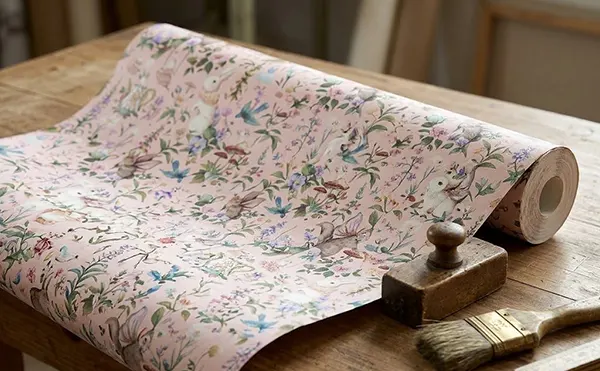
Traditional wallpaper is the standard type of sheet/wall covering in which the glue is either applied to the wallpaper or directly on the wall. This type of wallpaper has decent and standard finishes, like floral or geometric patterns. Made from materials like vinyl, grasscloth, and non-woven fleece, this is highly durable and has been used for decades. This is not easy to remove; the tiny bits of paper are either torn or get stuck in the wall with the adhesive.
2. Peel and Stick Wallpaper
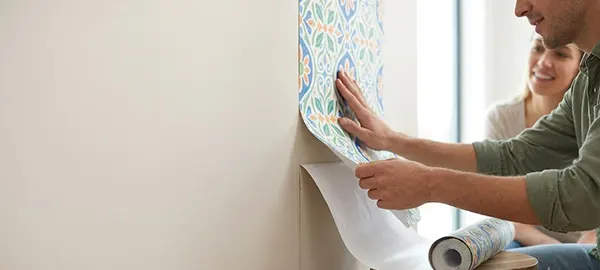
Peel and Stick wallpaper includes a backing stuck to the wallpaper with glue. It is convenient to use by quickly peeling off the backing and sticking on the wall without any hassle of applying any adhesive or glue. It is easy to remove from smooth surfaces, but removal also depends on the wall surface beneath the wallpaper.
3. Vinyl Wallpaper
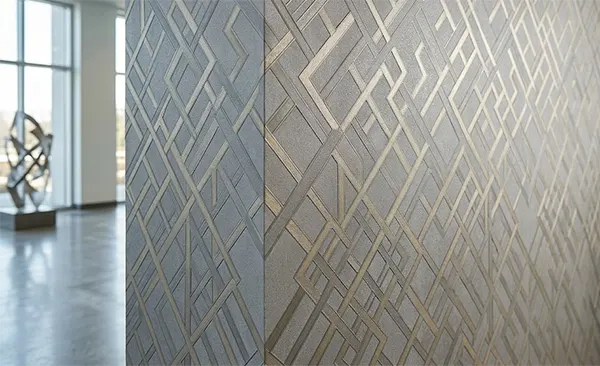
Vinyl wallpaper is a premium wall covering made of PVC or has a coating of vinyl on paper. It is highly durable and washable, generally used in bathrooms or laundry rooms and in big commercial projects. It is not easy to remove because of the slightly hard coating of vinyl, which prevents water/softener from reaching the adhesive. Carefully stripping the top layer of the wallpaper and then removing the backing from the wall can help with successful wallpaper removal.
Also read: How to Design a Kitchen? A Practical Guide to Plan a Perfect Kitchen Layout
4. Grasscloth Wallpaper
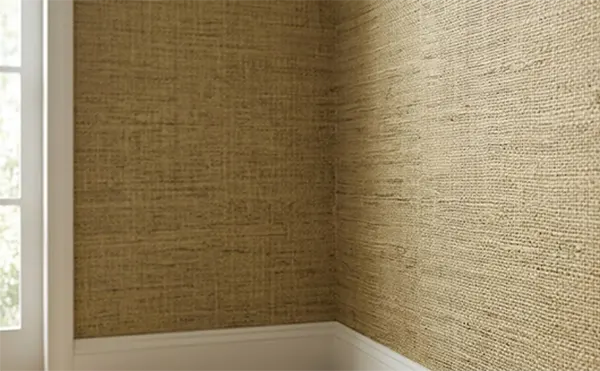
Grasscloth wallpaper is a handwoven natural fiber (hemp, jute, or seagrass, etc.) made wallcovering on a sheet of rice paper. It is generally expensive, and it is professionally applied to walls using the traditional paste. It is removable, depending on whether it is a traditional one or in the form of peel-and-stick. The peel-and-stick one is comparatively easier to remove than the traditional one due to its easy application and removal.
5. Metallic Wallpaper
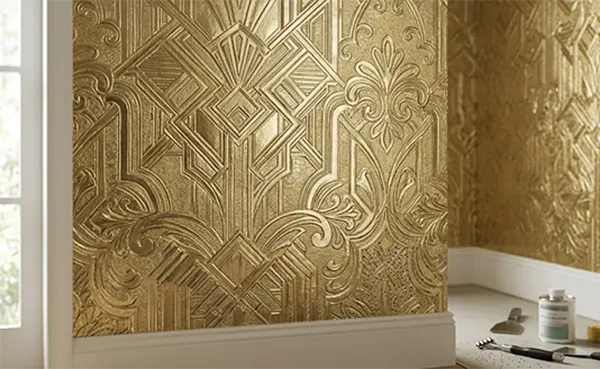
Metallic wallpaper is a metal-finished, shiny wall covering made with metal foil or metal ink. It is generally waterproof and gives a shimmery effect to the walls, which makes it a premium choice for luxury homes. It is generally not easy to remove, as its surface is waterproof, which prevents water from reaching its backing. It requires special scoring and scraping tools to put tiny holes into the surface to ease removal.
Also read: What Is Bohemian Interior Design? Origin, Key Aspects, and Adapting Methods
Essential Tools to Remove Wallpaper
Essential tools to remove the wallpaper are a putty knife, scraper, scoring tool, spray bottle, sponge, water steamer, and drop cloths. Having the right tools handy makes the whole process of wallpaper removal easy to handle and less time-consuming. Some of the tools used to remove wallpaper are:
| Tools Used in Wallpaper Removal | Uses of Tools |
|
|
|
|
|
|
|
|
|
|
|
|
How to Remove Wallpaper Using the Dry Stripping Method?
The dry stripping method is the removal of wallpaper using the hand and knife without using any specialized tool, steam, water, or solution. It is a quick and easy method generally used in homes without leaving heavy residue to be cleaned up after removing the wallpaper. Peel-and-stick wallpaper is easy to remove using this method, as it is easily removable.
Below are some of the steps to remove the wallpaper using the dry stripping method:
- Take a putty knife and, at the corner of the wallpaper, try to scratch the wallpaper in such a way that you can peel it off.
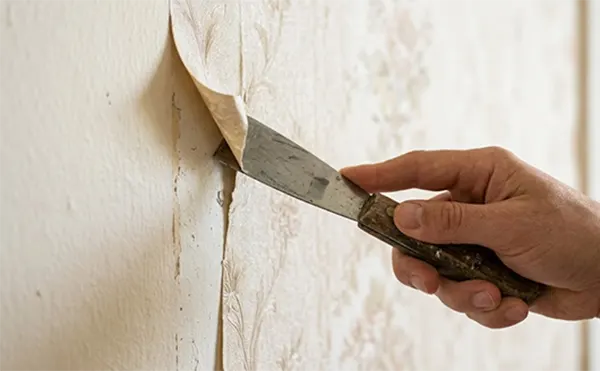
- Slowly peel the whole wallpaper by holding its ends. Dot the process gently with all the wallpaper sheets to remove the backing also with the wallpaper.
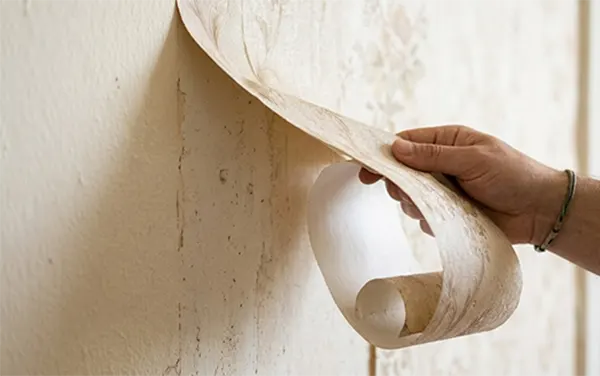
- To remove the adhesive residue, use a sponge and wallpaper removal solution/solvent.
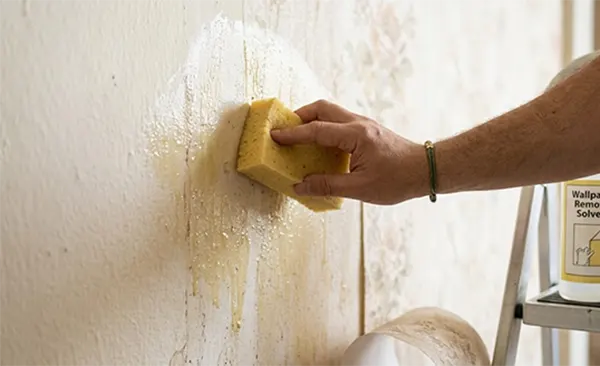
Wallpaper Removal Using the Fabric Softener Solution
A fabric softener is the liquid laundry solution used to rinse the clothes. But it can also be used to remove the wallpaper from the front of the walls as a fabric softener; when soaked, the wallpaper’s surface helps to dissolve the adhesive stuck on the wallpaper. Ultimately, the grip between the wall and wallpaper loosens, and it is easily peeled off the front of the wall.
Traditional wallpapers and peelable wallpapers are easily peeled off using the fabric softener solution due to its adhesive-dissolving capacity. Below are the steps to remove the wallpaper using the fabric softener solution.
- Before starting the actual process, prepare the room by covering the floor with a plastic sheet to prevent damage to the floor and to make it easy to clean up removed wallpaper trash.
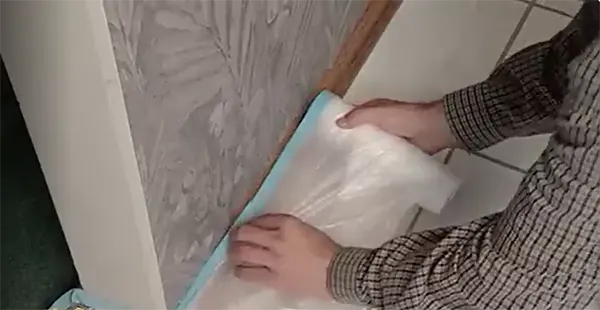
- Use a scoring tool to scrape off the whole wallpaper. This means the whole wallpaper surface will have tiny holes to soak in the solution.
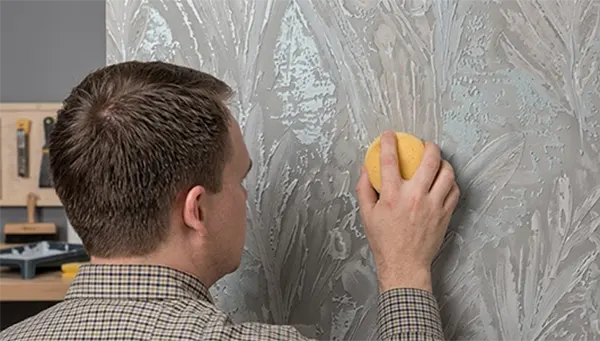
- Make a 1-part fabric softener and two-part warm water mixture in a bucket and mix it well.
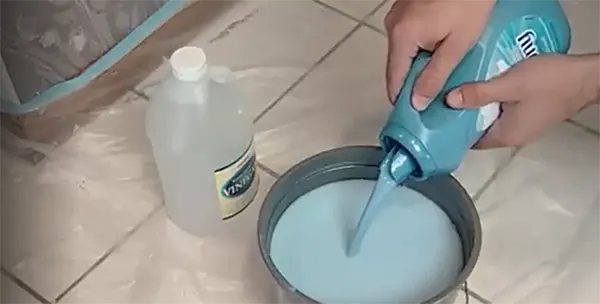
- Apply the solution to the wall using a house painting roller and let it soak in the wallpaper for some time.
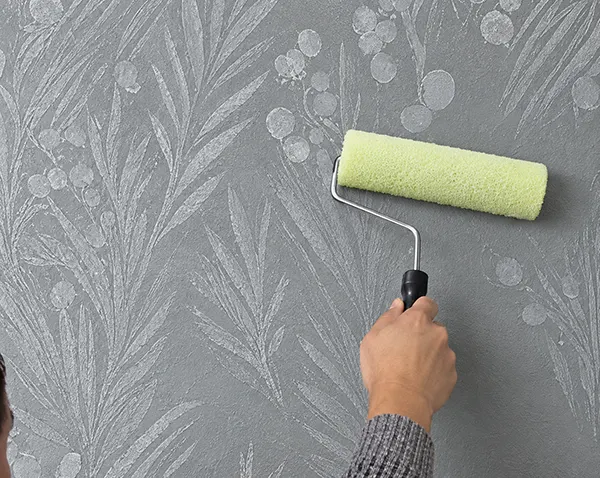
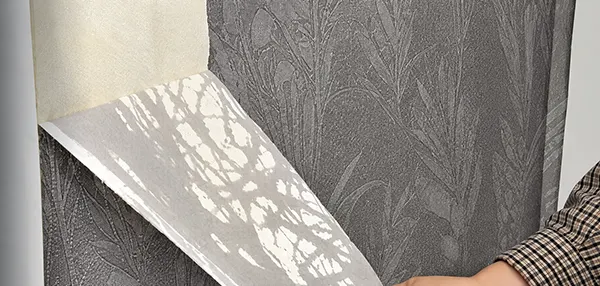
- Remove the wallpaper starting from the edge of the wall and remove all the wallpaper strips gently.
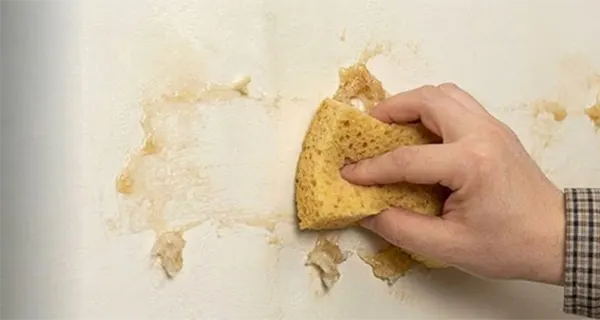
- Use a sponge to clear the residue or adhesive that remains on the surface of the wall.
Also read: What is Preconstruction? Methods, Importance, and Benefits Uncovered
How to Remove Wallpaper Using a Water Steamer?
A water steamer is a device containing a tank in which water is poured, which is then heated and converted into steam. The plate connected to a hosepipe lets the steam go from the device to help steam the walls and loosen the grip between the wall and wallpaper. This technique works for almost all types of wallpaper because steam acts as the best solution to loosen the multiple layers of wallpaper and melt the adhesive/glue under the wallpaper.
Below are the steps for wallpaper removal using a water steamer.
- Cover the baseboard and the power sockets with tape so that the steam does not harm the floor and the sockets.
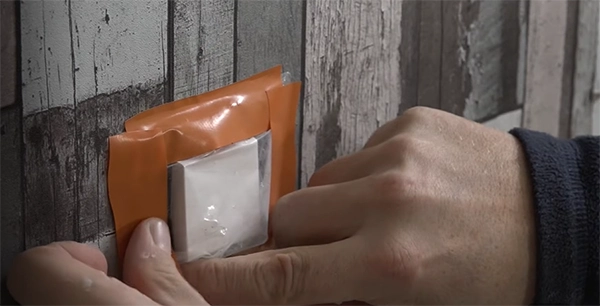
- Fill in the water steamer tank with water, keep it on a wooden unit and then plug it on.
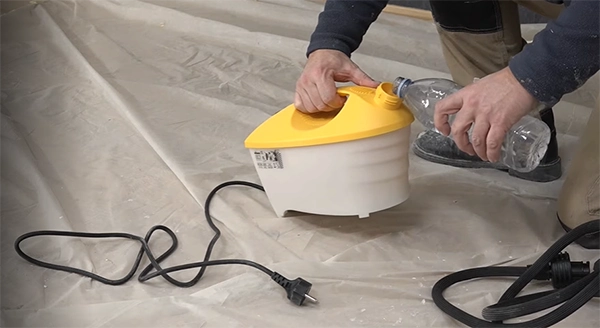
- Now, when the steamer gets hot, place it on the wallpaper, fully aligned to the surface.
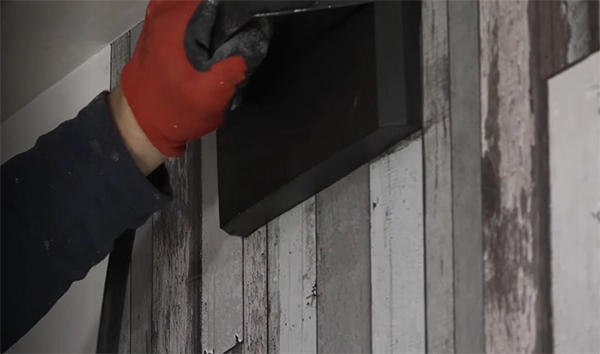
- With one hand, hold the steamer, and with the other hand, peel off the wallpaper using the putty knife.
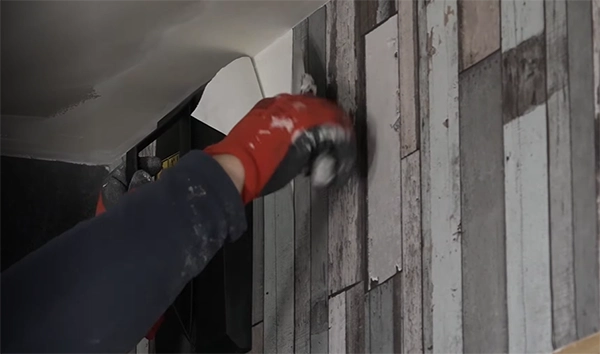
- Remove the whole wallpaper using the same process and clear the residue using the sponge.
Also read: What is a Spec House? How to Buy, Cost Breakdown, ROI, Pros, Cons, and More
Common Mistakes to Avoid While Removing Wallpaper
Wallpaper can be removed successfully without damaging the wall if the removal process is done the right way, considering all the necessary steps. Common mistakes to avoid while removing wallpaper include ignoring the preparation phase, making scoring mistakes, using ineffective chemicals, and not having a dustbin handy. Below are the common mistakes to avoid while removing wallpaper.
1. Ignoring the Preparation Phase
People directly jump into the removal process without knowing how important it is to do the necessary preparation, such as removing the furniture from the wall, covering all the electrical switches with tape, and covering the floor with a drop cloth or plastic sheet to keep the floor clean and undamaged by the solution. Also, test the removal method once on one small corner of your home to get the satisfaction and approval of the right method to be used.
2. Wrong Scoring
Scoring is essential to get the softening solution inside the wallpaper, but most people skip this method or do it the wrong way. You need to roll over the scoring tool at a smooth pace with less pressure. Hard scoring can tear the wallpaper and can penetrate through the wall behind the wallpaper.
3. Using the Wrong Tool for the Wrong Purpose
Using the wrong tool for the wrong purpose complicates the removal process. Using a wallpaper scraper on a delicate surface causes damage to the walls, using a razor blade for scraping purposes makes it risky to handle; and using the steam iron instead of a steamer makes the process slow. You should also hold the putty knife aligned to the wall surface to ensure that it is not damaging the wall.
4. Use of Harsh Chemicals
Due to the lack of knowledge, people generally use toxic chemicals. Bleach/chlorine, which can damage the wall, and acetone, which is highly flammable, can melt the wallpaper coating and evaporate quickly. Instead, you can use hot water, dish soap, and gentle fabric softener, which cause no harm to the wall if used wisely.
Note: The U.S. Consumer Product Safety Commission has banned/restricted the use of toxic chemical solutions like methylene chloride and N-methylpyrrolidone, as they can cause skin and inhalation issues and even severe health risks.
5. Timing Mistakes
People don’t give the appropriate time for the adhesive-losing solution and try to cover a large area in one round of scraping. Instead, they should give at least 15 minutes to let the solution dry. Divide the large area into sections and do the process for an area of 3 by 3 feet every single time, and then move on to the next section.
6. Water Steamer Handling Mistakes
A water steamer, being a heating device, is not used properly. People hold the steamer or heater in one place for a long time, which can damage the wall underneath it. You must wear safety gloves before using the heater and keep it moving consistently over the surface of the wallpaper to maintain the temperature.
Also read: Home Inspection Checklist for Buyers: Must-Check Areas, Cost and Red Flags
How to Clean the Wall After Removing the Wallpaper?
After removing the wallpaper, sticky adhesives and tiny bits of wallpaper remain on the wall, making it look rough and unpleasant with a lot of patches. However, there are certain ways you can clean the wallpaper removal from the walls, like using a putty knife, sponge, vinegar, sandpaper, etc.
Below is a detailed description of cleaning the wall after removing wallpaper.
- Scrape the Residue: Use a putty knife to scrape down the remaining residue and tiny pieces of paper on the wall.
- Vinegar-Water Solution: Take ¼ cup of vinegar in 2 cups of water, or you can add a few drops of dish soap to warm water.
- Wipe Using a Sponge: Dip the sponge in the mixed solution, squeeze it, and gently wipe the whole surface of the wall in a circular motion.
- Rinse the Wall: Again, take a clean cloth and water and rinse the solution, so that no stain of vinegar or soap remains on the wall.
- Use a Spackle or Primer: Check for the holes, patches, and cracks and fill them with spackle or a primer to evenly smooth the surface.
Did You Know?
Spackle is a thick paste used to fill in holes, cracks, and small dents in the wall. It is a good alternative to joint compound, as it dries quickly and is used for small openings.
Conclusion
Summarising! In this detailed article, we studied how to remove wallpaper easily from the wall using methods like dry stripping, using fabric softener, and using a water steamer. Choosing the right method also depends on the wallpaper type, as the dry stripping method works well on peel-and-stick wallpaper, the fabric softener works on vinyl wallpaper, and the water steamer method works on almost all types of wallpaper.
You should avoid scoring and scraping mistakes and avoid the use of harsh chemicals while removing wallpaper from your house walls.
Frequently Asked Questions
What are the common methods used for wallpaper removal?
Can you paint over wallpaper?
Yes, you can paint over wallpaper, but painting might create moisture, which can loosen the glue between the wallpaper and wall, leaving it with bubbles or auto-scraping from the edges.
What is the use of a scoring tool in removing wallpaper?
A scoring tool is a round handy tool, has long bristles to put tiny holes on the wallpaper when it is rolled over the wall in circular motion.
Are fabric softeners safe to use for wallpaper removal?
Yes, fabric softener is an effective and a safe way to remove wallpaper, as it contains surfactants, which helps the water to penetrate through the wall, loosening the grip between the wall and wallpaper. It is not harsh on the skin and is affordable to buy.
Should I do sanding after removing wallpaper?
Yes, you can do sanding after cleaning it with water and a sponge to remove the slight unevenness and imperfections in the hole. Sanding helps to smoothen the surface with an even surface.
Sources:
- What You Should Know About Using Paint Strippers: U.S. Consumer Product Safety Commission
Related Post
What Is Architecture? Definition, Types, Design Process, and Careers
Imagine walking into a building where the light is playing across the walls, the staircases are literally floating (in the…
How to Choose a Paint Color for Your House Walls: A Complete Guide with…
Neutral or Warm: Which paint color to choose? Many homeowners have this thought while choosing a shade of paint for…
How to Remove the Wallpaper? Easy Methods, Wallpaper Types, and Common Wallpaper Removal Mistakes
While planning for a home renovation, people generally get confused about how to remove wallpaper that is already stuck on…
A Step-By-Step Guide to Building a Retaining Wall
Having a backyard slope or an eroding garden bed can quickly affect the overall appearance and charm of your landscape,…
Guide to Exploring the Best Drywall Alternatives for Your Walls
Drywall often emerges as a highly reliable option when you are looking for the best options for your walls. Drywall…
The Ultimate Kitchen Cabinet Refacing Guide
Transform your kitchen into a luxury space without the cost, mess, or weeks of disruption from a full tear-out remodel.…